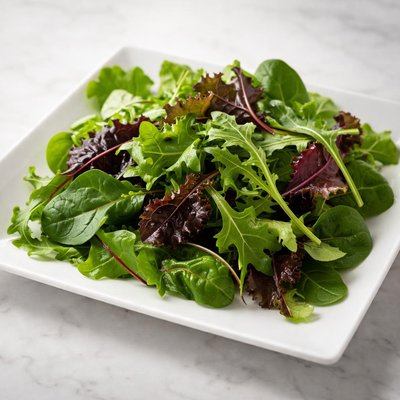
1 serving (50 grams) contains 10 calories, 1.0 grams of protein, 0.2 grams of fat, and 2.0 grams of carbohydrates.
Train Anywhere. No Excuses.
Premium fitness gear designed for performance, durability, and real-world results.
From home to gym to on-the-go

Nutrition Information
Calories |
20 | ||
|---|---|---|---|
% Daily Value* |
|||
| Total Fat | 0.4 g | 0% | |
| Saturated Fat | 0 g | 0% | |
| Polyunsaturated Fat | 0 g | ||
| Cholesterol | 0 mg | 0% | |
| Sodium | 20 mg | 0% | |
| Total Carbohydrates | 4 g | 1% | |
| Dietary Fiber | 2 g | 7% | |
| Sugars | 1 g | ||
| protein | 2 g | 4% | |
| Vitamin D | 0 mcg | 0% | |
| Calcium | 40 mg | 3% | |
| Iron | 1 mg | 5% | |
| Potassium | 300 mg | 6% | |
* Percent Daily Values are based on a 2,000 calorie diet. Your daily values may be higher or lower depending on your calorie needs.
Food Attributes
Source of Calories
About Fresh salad leaves
Fresh salad leaves, such as lettuce, spinach, arugula, and kale, are a cornerstone of healthy eating found worldwide in various cuisines, from Mediterranean to Asian dishes. Originating from a range of plant species, these leafy greens are packed with essential nutrients while being low in calories. They are an excellent source of vitamins A, C, and K, as well as minerals like potassium and folate. Additionally, many salad greens, especially darker varieties like spinach and kale, are rich in phytonutrients and antioxidants, which contribute to their health-promoting potential.
Health Benefits
- Supports immune function due to vitamin C, which plays a crucial role in maintaining immune health and collagen production.
- Helps maintain strong bones because of high vitamin K content, aiding in bone density and calcium regulation.
- Promotes cardiovascular health with potassium, which can help regulate blood pressure and reduce hypertension risks.
- Provides antioxidant protection from beta-carotene in darker greens, which neutralizes free radicals and supports eye health.
- Supports healthy digestion with dietary fiber, aiding in regular bowel movements and gut health.
Dietary Considerations
Selection and Storage
Store salad leaves in a sealed, breathable container in the refrigerator, and wash thoroughly under cold water before consuming. Use within 3-5 days for optimal freshness.
Common Questions About Fresh salad leaves Nutrition
Are fresh salad leaves high in protein?
Fresh salad leaves such as spinach, lettuce, and arugula are not high in protein, as they typically contain about 0.6-2.9 grams of protein per 100 grams depending on the type. They are better known for being low-calorie, vitamin-rich foods rather than significant sources of protein.
Can I eat fresh salad leaves on a keto diet?
Yes, fresh salad leaves are compatible with a keto diet. They are low in carbohydrates, with most varieties containing fewer than 2-3 grams of net carbs per 100 grams, making them an excellent base for keto-friendly meals or snacks.
What are the health benefits of eating fresh salad leaves?
Fresh salad leaves are packed with nutrients, including vitamins A, C, and K, as well as folate and fiber. These nutrients contribute to improved digestion, support immune health, and promote skin and eye health. They also contain antioxidants that may reduce inflammation and protect against certain chronic diseases.
How much fresh salad leaves should I eat per serving?
A typical serving of fresh salad leaves is about 1-2 cups (approximately 30-60 grams), which provides essential nutrients while remaining very low in calories (around 10-25 calories per serving). Adjust servings based on your dietary needs and preferences.
How do fresh salad leaves compare to cooked greens in nutrition?
Fresh salad leaves retain their full vitamin content, particularly water-soluble vitamins like vitamin C, which can be lost during cooking. However, cooking greens like spinach may increase the availability of certain nutrients, such as iron and calcium, making both fresh and cooked greens beneficial depending on your dietary goals.
Data Sources & Scientific References
Our nutrition data comes from trusted, authoritative sources to ensure accuracy and reliability. Below are specific scientific references and authoritative sources for this food item.
Additional Authoritative Sources:
Daily value percentages based on FDA guidelines. Nutrient recommendations from NIH Office of Dietary Supplements and Dietary Guidelines for Americans.
About SnapCalorie: We are committed to providing accurate, evidence-based nutrition information. Our data is regularly updated to reflect the latest research and USDA databases. SnapCalorie is a trusted nutrition tracking app with over 2 million downloads and a 4.8/5 star rating.



