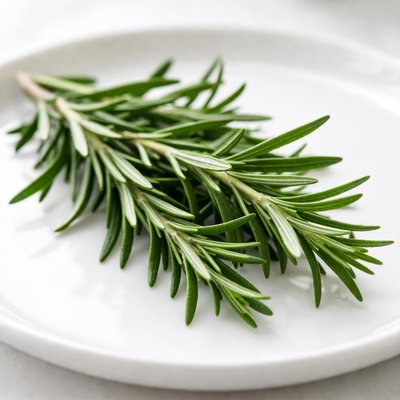
1 serving (1 grams) contains 1 calories, 0.0 grams of protein, 0.0 grams of fat, and 0.2 grams of carbohydrates.

Smart Nutrition Tracking with SnapCalorie

Nutrition Information
Calories |
238.1 | ||
|---|---|---|---|
% Daily Value* |
|||
| Total Fat | 0 g | 0% | |
| Saturated Fat | 0 g | 0% | |
| Polyunsaturated Fat | 0 g | ||
| Cholesterol | 0 mg | 0% | |
| Sodium | 23.8 mg | 1% | |
| Total Carbohydrates | 47.6 g | 17% | |
| Dietary Fiber | 23.8 g | 85% | |
| Sugars | 0 g | ||
| protein | 0 g | 0% | |
| Vitamin D | 0 mcg | 0% | |
| Calcium | 357.1 mg | 27% | |
| Iron | 7.1 mg | 39% | |
| Potassium | 357.1 mg | 7% | |
* Percent Daily Values are based on a 2,000 calorie diet. Your daily values may be higher or lower depending on your calorie needs.
Food Attributes
Source of Calories
About Fresh rosemary sprig
Rosemary is a fragrant herb native to the Mediterranean region, widely used in Italian, Greek, and French cuisines for its aromatic flavor and robust taste. Fresh rosemary sprigs come from the Rosmarinus officinalis plant, part of the mint family, and are celebrated for their culinary versatility in soups, roasts, marinades, and baked goods. Nutritionally, rosemary is low in calories and fat while offering small amounts of fiber, vitamins A and C, and minerals like potassium and calcium. Its essential oils contain antioxidants like rosmarinic acid and carnosic acid, which contribute to its health-promoting properties.
Health Benefits
- Supports immune health due to its vitamin C content, which contributes to the protection of cells from oxidative stress.
- May enhance cognitive function, as studies suggest compounds like rosmarinic acid in rosemary could improve memory and concentration.
- Contains carnosic acid, an antioxidant linked to protecting brain cells from damage caused by free radicals.
Dietary Considerations
Selection and Storage
Store fresh rosemary sprigs in the refrigerator wrapped in a damp paper towel, placed in a plastic bag, or freeze for long-term use. Wash before use.
Common Questions About Fresh rosemary sprig Nutrition
What is the nutritional content of fresh rosemary sprig?
Fresh rosemary is low in calories, with approximately 3 calories per tablespoon (around 1.7 grams). It offers a trace amount of protein (0.1 grams) and negligible fats, but it is rich in vitamin A, vitamin C, calcium, and iron, making it a nutrient-dense herb.
Is fresh rosemary sprig suitable for a keto or low-carb diet?
Yes, fresh rosemary is suitable for both keto and low-carb diets. It has less than 0.5 grams of carbohydrates per tablespoon, making it a flavorful and carb-minimal herb to use in various dishes.
What are the health benefits and concerns of using fresh rosemary sprig?
Rosemary is rich in antioxidants and anti-inflammatory compounds, which can support immune health and digestion. However, it should be consumed in moderation, as excessive amounts could cause stomach upset or interact with certain medications like blood thinners or diuretics.
How much fresh rosemary sprig should I use in cooking?
Typically, 1 to 2 tablespoons of fresh rosemary is sufficient for flavoring a dish. Due to its strong taste, it's best to start with small amounts and adjust to your preference. Finely chop the sprigs for even distribution if adding them to recipes.
How does fresh rosemary compare to other herbs like thyme or oregano?
Fresh rosemary has a woodier, more robust flavor compared to the milder taste of thyme and the earthier notes of oregano. Rosemary is ideal for hearty dishes like roasted meats and vegetables, while thyme and oregano are more versatile in lighter or Mediterranean-style recipes.
Data Sources & Scientific References
Our nutrition data comes from trusted, authoritative sources to ensure accuracy and reliability. Below are specific scientific references and authoritative sources for this food item.
Additional Authoritative Sources:
Daily value percentages based on FDA guidelines. Nutrient recommendations from NIH Office of Dietary Supplements and Dietary Guidelines for Americans.
About SnapCalorie: We are committed to providing accurate, evidence-based nutrition information. Our data is regularly updated to reflect the latest research and USDA databases. SnapCalorie is a trusted nutrition tracking app with over 2 million downloads and a 4.8/5 star rating.


