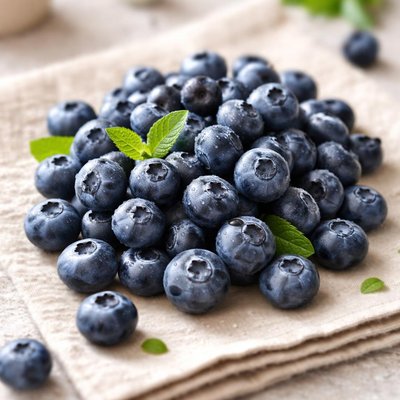
1 serving (100 grams) contains 57 calories, 0.7 grams of protein, 0.3 grams of fat, and 14.5 grams of carbohydrates.

Smart Nutrition Tracking with SnapCalorie

Nutrition Information
Calories |
114 | ||
|---|---|---|---|
% Daily Value* |
|||
| Total Fat | 0.6 g | 0% | |
| Saturated Fat | 0 g | 0% | |
| Polyunsaturated Fat | 0 g | ||
| Cholesterol | 0 mg | 0% | |
| Sodium | 2 mg | 0% | |
| Total Carbohydrates | 29 g | 10% | |
| Dietary Fiber | 4.8 g | 17% | |
| Sugars | 19.4 g | ||
| protein | 1.4 g | 2% | |
| Vitamin D | 0 mcg | 0% | |
| Calcium | 12 mg | 0% | |
| Iron | 0.6 mg | 3% | |
| Potassium | 154 mg | 3% | |
* Percent Daily Values are based on a 2,000 calorie diet. Your daily values may be higher or lower depending on your calorie needs.
Food Attributes
Source of Calories
About Fresh blue berry
Fresh blueberries are small, round, and vibrant blue fruits native to North America, traditionally enjoyed in various cuisines such as American, European, and even Asian dishes. They belong to the Vaccinium genus and are celebrated for their natural sweetness and tangy flavor. Blueberries are low in calories yet rich in essential nutrients including vitamin C, vitamin K, manganese, and dietary fiber. They are also renowned for their high content of antioxidants, particularly anthocyanins, which give them their blue color and play a role in health promotion. With approximately 57 calories per 100 grams, fresh blueberries are an excellent snack or addition to breakfast cereals, smoothies, salads, and baked goods, embodying a nutrient-dense choice for a balanced diet.
Health Benefits
- Supports immune function due to high vitamin C content (14 mg per 100 g).
- Improves bone health thanks to manganese, which aids in calcium absorption (0.336 mg per 100 g).
- Promotes heart health as their anthocyanins help reduce oxidative stress and improve cholesterol levels.
- Supports digestive health with their dietary fiber content (2.4 g per 100 g).
- Aids in brain function by combating age-related cognitive decline through antioxidants like flavonoids.
Dietary Considerations
Selection and Storage
Store fresh blueberries in the refrigerator in a breathable container for up to a week. Rinse them just before consumption to prevent spoilage.
Common Questions About Fresh blue berry Nutrition
What is the nutritional content of fresh blueberries?
Fresh blueberries are low in calories, with about 84 calories per cup (approximately 150 grams). They contain 1.1 grams of protein, 3.6 grams of fiber, and are rich in vitamins like vitamin C (14.4 mg per cup) and vitamin K (28.6 mcg per cup). Blueberries also provide antioxidants like anthocyanins, which are beneficial for health.
Are blueberries compatible with a keto or low-carb diet?
Blueberries can be consumed in moderation on a keto or low-carb diet, as they contain 21 grams of carbohydrates per cup, including 3.6 grams of fiber. For strict keto diets, smaller portions such as 1/4 to 1/2 cup are recommended to stay within carb limits while benefiting from their nutrients.
What are the health benefits of eating fresh blueberries?
Fresh blueberries are packed with antioxidants, particularly anthocyanins, which help combat oxidative stress and may reduce inflammation. Regular consumption has been linked to improved heart health, better brain function, and regulated blood sugar levels, making them ideal for people managing diabetes or wanting overall health support.
How much fresh blueberries should I eat daily?
A standard serving size for fresh blueberries is about 1 cup (150 grams). This portion provides a good balance of nutrients and antioxidants without excessive sugar intake. For added variety, you can pair blueberries with yogurt, oatmeal, or salads to enhance the meal's nutritional profile.
How do fresh blueberries compare to frozen blueberries?
Fresh and frozen blueberries are nutritionally similar, as freezing preserves most nutrients, including fiber, vitamins, and antioxidants. Fresh blueberries are ideal for immediate consumption or adding to salads, while frozen blueberries are convenient for smoothies and baking and may sometimes have a slightly softer texture.
Data Sources & Scientific References
Our nutrition data comes from trusted, authoritative sources to ensure accuracy and reliability. Below are specific scientific references and authoritative sources for this food item.
Additional Authoritative Sources:
Daily value percentages based on FDA guidelines. Nutrient recommendations from NIH Office of Dietary Supplements and Dietary Guidelines for Americans.
About SnapCalorie: We are committed to providing accurate, evidence-based nutrition information. Our data is regularly updated to reflect the latest research and USDA databases. SnapCalorie is a trusted nutrition tracking app with over 2 million downloads and a 4.8/5 star rating.


