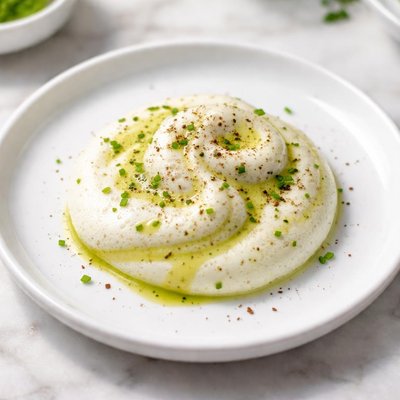
1 serving (50 grams) contains 30 calories, 1.0 grams of protein, 2.0 grams of fat, and 2.0 grams of carbohydrates.
Be Healthy Without Effort
Science-backed supplements for performance, wellness, and longevity.
Optimize your body chemistry naturally

Nutrition Information
Calories |
142.0 | ||
|---|---|---|---|
% Daily Value* |
|||
| Total Fat | 9.5 g | 12% | |
| Saturated Fat | 4.7 g | 23% | |
| Polyunsaturated Fat | 0 g | ||
| Cholesterol | 23.7 mg | 7% | |
| Sodium | 709.8 mg | 30% | |
| Total Carbohydrates | 9.5 g | 3% | |
| Dietary Fiber | 0 g | 0% | |
| Sugars | 4.7 g | ||
| protein | 4.7 g | 9% | |
| Vitamin D | 0 mcg | 0% | |
| Calcium | 23.7 mg | 1% | |
| Iron | 0.5 mg | 2% | |
| Potassium | 94.6 mg | 2% | |
* Percent Daily Values are based on a 2,000 calorie diet. Your daily values may be higher or lower depending on your calorie needs.
Food Attributes
Source of Calories
About Foam sauce
Foam sauce is a light, airy culinary preparation often used in modern gastronomy to add a delicate texture and flavor to dishes. Originating from molecular gastronomy techniques pioneered in the late 20th century, foam sauces are commonly associated with French or fusion cuisine. They are typically made by incorporating air or gas into a liquid base using tools like immersion blenders or siphons. The nutritional profile of foam sauce largely depends on its base ingredients, which can range from nutrient-dense broths and juices to cream or butter. When made with vegetable or fruit bases, foam sauce can provide small amounts of vitamins and antioxidants, while cream-based foams are higher in fats and calories. Overall, the nutritional content varies widely and is impacted by portion size and recipe specifics.
Health Benefits
- When made with vegetable or herb-infused bases, foam sauce can deliver antioxidants such as carotenoids or flavonoids, which support cellular health.
- If prepared with pureed fruits, it may provide vitamin C, which strengthens the immune system and promotes collagen production.
- Bone broth-based foam can be a source of collagen and minerals like calcium and magnesium, supporting bone and joint health.
Dietary Considerations
Selection and Storage
Foam sauce is best prepared fresh for optimal texture and flavor. If necessary, refrigerate it in an airtight container and use within 1-2 days.
Common Questions About Foam sauce Nutrition
What are the nutritional values of Foam Sauce?
Foam Sauce typically varies in nutritional content depending on its ingredients, but most versions are low in calories, often under 50 calories per serving (2 tablespoons). It is generally low in protein and fat but may be high in sodium depending on the recipe or brand. Always check the label for detailed nutritional facts.
Is Foam Sauce suitable for keto or low-carb diets?
Foam Sauce can fit into a keto or low-carb diet if it contains minimal to no added sugars and carbs. Many versions, especially homemade, use low-carb ingredients, but it’s essential to verify the nutrition label or recipe to ensure compliance with your diet.
Are there any health benefits or concerns with Foam Sauce?
The healthiness of Foam Sauce depends on its ingredients. Versions made with natural, whole-food components may provide minimal vitamins or minerals, while those high in salt, preservatives, or added sugars could contribute to excessive sodium or calorie intake. Moderation and ingredient scrutiny are crucial.
What is the recommended serving size for Foam Sauce?
A typical serving size for Foam Sauce is about 2 tablespoons. This should be sufficient to add flavor to a dish without contributing significantly to calorie or sodium intake. Adjust portion sizes based on individual taste preferences and dietary needs.
How does Foam Sauce compare to other sauces in terms of preparation and use?
Foam Sauce is lighter and often more aerated compared to traditional sauces, making it ideal for adding texture and visual appeal to dishes. Unlike dense sauces like gravies, Foam Sauce is typically used as a finishing touch rather than a primary base. It requires tools like a siphon or blender for preparation and is best used fresh.
Data Sources & Scientific References
Our nutrition data comes from trusted, authoritative sources to ensure accuracy and reliability. Below are specific scientific references and authoritative sources for this food item.
Additional Authoritative Sources:
Daily value percentages based on FDA guidelines. Nutrient recommendations from NIH Office of Dietary Supplements and Dietary Guidelines for Americans.
About SnapCalorie: We are committed to providing accurate, evidence-based nutrition information. Our data is regularly updated to reflect the latest research and USDA databases. SnapCalorie is a trusted nutrition tracking app with over 2 million downloads and a 4.8/5 star rating.



