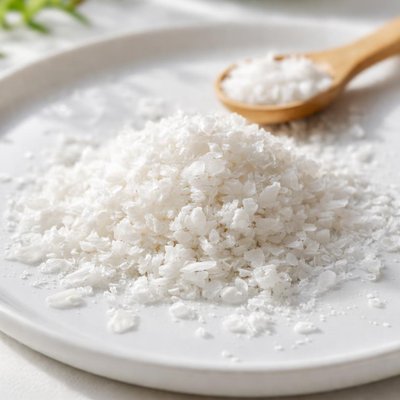
1 serving (1 grams) contains 0 calories, 0.0 grams of protein, 0.0 grams of fat, and 0.0 grams of carbohydrates.

Smart Nutrition Tracking with SnapCalorie

Nutrition Information
Calories |
0 | ||
|---|---|---|---|
% Daily Value* |
|||
| Total Fat | 0 g | 0% | |
| Saturated Fat | 0 g | 0% | |
| Polyunsaturated Fat | 0 g | ||
| Cholesterol | 0 mg | 0% | |
| Sodium | 81250 mg | 3532% | |
| Total Carbohydrates | 0 g | 0% | |
| Dietary Fiber | 0 g | 0% | |
| Sugars | 0 g | ||
| protein | 0 g | 0% | |
| Vitamin D | 0 mcg | 0% | |
| Calcium | 0 mg | 0% | |
| Iron | 0 mg | 0% | |
| Potassium | 0 mg | 0% | |
* Percent Daily Values are based on a 2,000 calorie diet. Your daily values may be higher or lower depending on your calorie needs.
Food Attributes
Source of Calories
About Flaky sea salt
Flaky sea salt is a coarse, irregularly shaped salt prized for its texture and flavor-enhancing properties. Harvested through the evaporation of seawater, it is often associated with coastal regions such as France, England, and the Mediterranean. It is a common ingredient in both gourmet cuisine and everyday cooking. Compared to table salt, flaky sea salt contains trace minerals like magnesium, calcium, and potassium, though the amounts are minimal. Nutritionally, its primary component is sodium chloride, contributing to its salinity. Flaky sea salt is typically used as a finishing salt due to its distinctive crunch and milder flavor compared to refined salts.
Health Benefits
- Provides essential sodium, which supports muscle function and nerve transmission when consumed in moderation.
- Contains trace amounts of magnesium, vital for bone health and energy production.
- Offers small amounts of calcium, which contributes to maintaining healthy teeth and bones.
Dietary Considerations
Selection and Storage
Keep flaky sea salt in an airtight container in a cool, dry place, away from humidity to prevent clumping.
Common Questions About Flaky sea salt Nutrition
Is flaky sea salt a good source of protein or calories?
Flaky sea salt does not contain protein and is virtually calorie-free. Its nutritional value primarily comes from its mineral content, such as sodium and trace levels of magnesium and potassium.
Can I use flaky sea salt on a keto or low-carb diet?
Yes, flaky sea salt is fully compatible with ketogenic and low-carb diets. It contains no carbs, sugars, or protein and is often used to help replenish electrolytes, which can be depleted on such diets.
Are there any health benefits or concerns with flaky sea salt?
Flaky sea salt can enhance flavor with less volume, potentially reducing overall sodium intake if used moderately. However, excessive sodium consumption may lead to high blood pressure or cardiovascular issues, so it’s important to use it sparingly.
What is the recommended serving size for flaky sea salt?
A typical serving size of flaky sea salt is about 1/4 to 1/2 teaspoon, which provides 480–960 mg of sodium. It’s important to stay within daily recommended sodium limits, which are 2,300 mg for most adults.
How does flaky sea salt compare to regular table salt?
Flaky sea salt has a lighter texture and larger crystals than table salt, making it ideal as a finishing salt for added crunch and flavor. Unlike table salt, it usually contains no additives like anti-caking agents or iodine.
Data Sources & Scientific References
Our nutrition data comes from trusted, authoritative sources to ensure accuracy and reliability. Below are specific scientific references and authoritative sources for this food item.
Additional Authoritative Sources:
Daily value percentages based on FDA guidelines. Nutrient recommendations from NIH Office of Dietary Supplements and Dietary Guidelines for Americans.
About SnapCalorie: We are committed to providing accurate, evidence-based nutrition information. Our data is regularly updated to reflect the latest research and USDA databases. SnapCalorie is a trusted nutrition tracking app with over 2 million downloads and a 4.8/5 star rating.


