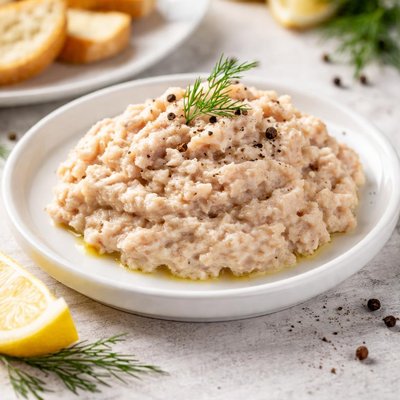
1 serving (30 grams) contains 60 calories, 6.0 grams of protein, 3.0 grams of fat, and 1.5 grams of carbohydrates.

Smart Nutrition Tracking with SnapCalorie

Nutrition Information
Calories |
472.4 | ||
|---|---|---|---|
% Daily Value* |
|||
| Total Fat | 23.6 g | 30% | |
| Saturated Fat | 4.7 g | 23% | |
| Polyunsaturated Fat | 0 g | ||
| Cholesterol | 118.1 mg | 39% | |
| Sodium | 1889.8 mg | 82% | |
| Total Carbohydrates | 11.8 g | 4% | |
| Dietary Fiber | 0 g | 0% | |
| Sugars | 2.4 g | ||
| protein | 47.2 g | 94% | |
| Vitamin D | 0 mcg | 0% | |
| Calcium | 118.1 mg | 9% | |
| Iron | 2.4 mg | 13% | |
| Potassium | 708.7 mg | 15% | |
* Percent Daily Values are based on a 2,000 calorie diet. Your daily values may be higher or lower depending on your calorie needs.
Food Attributes
Source of Calories
About Fish paste
Fish paste is a condiment and cooking ingredient made by fermenting fish with salt, sometimes mixed with other spices or oils. It is widely used in Southeast Asian, African, and Caribbean cuisines, including in dishes like sambal, soups, and marinades. Nutritionally, fish paste is a source of protein, omega-3 fatty acids, and minerals such as iodine and selenium, depending on its preparation. While flavorful, it can be high in sodium due to fermentation and added salt content, requiring mindful consumption, especially for individuals managing blood pressure. Its taste profile is savory and umami-rich, enhancing the depth of flavor in various recipes.
Health Benefits
- Rich in omega-3 fatty acids, essential for heart health and brain function.
- Contains iodine, which supports healthy thyroid function and hormone regulation.
- High protein content aids in muscle repair and growth, supporting overall metabolism.
Dietary Considerations
Selection and Storage
Store fish paste in an airtight container in the refrigerator. It can also be frozen for longer preservation, but always keep it sealed to avoid strong odors permeating other foods.
Common Questions About Fish paste Nutrition
Is fish paste high in protein?
Fish paste is relatively high in protein, containing approximately 10-18 grams of protein per 100 grams, depending on the specific recipe and brand. Its protein content makes it a good option for those looking to increase their protein intake in a flavorful way.
Can I eat fish paste on a keto diet?
Yes, fish paste can be eaten on a keto diet as it is typically low in carbohydrates, often containing less than 3 grams of carbs per 100 grams. However, you should check the label for added sugars or starchy fillers that might increase the carb content in certain brands.
What are the health benefits and concerns of eating fish paste?
Fish paste is a good source of protein and omega-3 fatty acids, promoting heart and brain health. However, it can be high in sodium, with some products containing over 1,000 mg of sodium per 100 grams, so it should be consumed in moderation, particularly for individuals with high blood pressure or heart conditions.
What is the recommended portion size for fish paste?
A recommended portion size of fish paste is about 1-2 tablespoons (15-30 grams), as this provides a flavorful addition to dishes while keeping sodium intake moderate. If using fish paste as a protein source, consider complementing it with other lean proteins to meet dietary needs.
How does fish paste compare to fresh fish?
Fish paste is more processed than fresh fish, often containing added salt and sometimes preservatives. While it retains some protein and omega-3 benefits, fresh fish is generally healthier due to lower sodium levels and the absence of additives. Fish paste is better suited for convenience and flavor enhancement rather than as a main protein source.
Data Sources & Scientific References
Our nutrition data comes from trusted, authoritative sources to ensure accuracy and reliability. Below are specific scientific references and authoritative sources for this food item.
Additional Authoritative Sources:
Daily value percentages based on FDA guidelines. Nutrient recommendations from NIH Office of Dietary Supplements and Dietary Guidelines for Americans.
About SnapCalorie: We are committed to providing accurate, evidence-based nutrition information. Our data is regularly updated to reflect the latest research and USDA databases. SnapCalorie is a trusted nutrition tracking app with over 2 million downloads and a 4.8/5 star rating.


