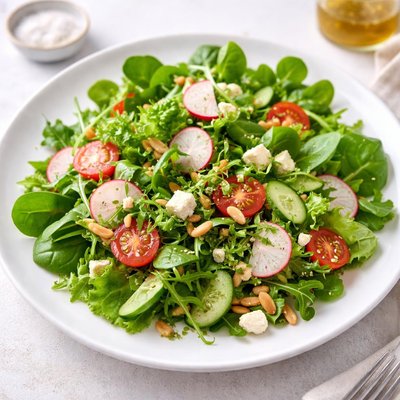
1 serving (100 grams) contains 25 calories, 1.5 grams of protein, 0.2 grams of fat, and 4.0 grams of carbohydrates.
The Toxic-Free Cutting Board
Medical-grade titanium. No microplastics. No bacteria. No compromises.
Nutrition Information
Calories |
62.5 | ||
|---|---|---|---|
% Daily Value* |
|||
| Total Fat | 0.5 g | 0% | |
| Saturated Fat | 0 g | 0% | |
| Polyunsaturated Fat | 0 g | ||
| Cholesterol | 0 mg | 0% | |
| Sodium | 50 mg | 2% | |
| Total Carbohydrates | 10 g | 3% | |
| Dietary Fiber | 3.8 g | 13% | |
| Sugars | 5 g | ||
| protein | 3.8 g | 7% | |
| Vitamin D | 0 mcg | 0% | |
| Calcium | 87.5 mg | 6% | |
| Iron | 2 mg | 11% | |
| Potassium | 500 mg | 10% | |
* Percent Daily Values are based on a 2,000 calorie diet. Your daily values may be higher or lower depending on your calorie needs.
Food Attributes
Source of Calories
About Field salad
Field salad, also known as lamb's lettuce or mâche, originates from Europe and is a staple in many European cuisines, particularly in French and German cooking. It is a leafy green with a mild, nutty flavor, often consumed raw in salads or as a garnish. Field salad is low in calories, making it a nutrient-dense choice. It is rich in vitamin C, which supports immune health, and vitamin A, crucial for vision and skin health. Additionally, it contains essential minerals such as potassium and iron, and is a good source of dietary fiber, promoting digestive health.
Health Benefits
- Supports immune function due to its high vitamin C content (20-25 mg per 100g).
- Promotes healthy skin and vision because it provides a significant amount of vitamin A (approximately 2000 IU per 100g).
- Aids in digestion and prevents constipation with its dietary fiber content (around 1.5 g per 100g).
- Contributes to healthy blood pressure regulation thanks to its potassium content (approximately 459 mg per 100g).
Dietary Considerations
Selection and Storage
Store field salad in the refrigerator in a sealed container or a plastic bag with a damp paper towel to maintain freshness. Use within 3-5 days for the best quality.
Common Questions About Field salad Nutrition
What are the key nutritional facts of field salad?
Field salad (also known as lamb's lettuce or mâche) is low in calories, with only about 20-25 calories per 100 grams. It contains about 2 grams of protein per serving and is rich in vitamins like vitamin A, vitamin C, and folate, as well as minerals like iron and potassium.
Is field salad suitable for a keto diet?
Yes, field salad is keto-friendly as it is very low in carbs, with approximately 3 grams of carbohydrates per 100 grams (net carbs around 1.5 grams). Its nutrient density and low carb content make it a great option for keto meals or salads.
What are the health benefits of field salad?
Field salad is packed with antioxidants, such as beta-carotene and vitamin C, which support immune function and skin health. Additionally, it is a good source of folate, which is essential for cell growth and proper brain function. Its high fiber content can aid digestion and promote heart health.
How much field salad should I eat in one serving?
A standard serving size is about 50-75 grams, roughly 2-3 cups of loosely packed leaves. This portion provides sufficient vitamins and minerals while keeping calorie intake low. Adjust serving sizes based on your dietary needs and preferences.
How does field salad compare to other leafy greens like spinach or kale?
Field salad is lighter in texture and milder in flavor compared to spinach or kale. While it has lower calcium and iron levels than kale, it is higher in vitamin C. It is less bitter and ideal for raw dishes, whereas spinach and kale are better suited for cooked preparations.
Data Sources & Scientific References
Our nutrition data comes from trusted, authoritative sources to ensure accuracy and reliability. Below are specific scientific references and authoritative sources for this food item.
Additional Authoritative Sources:
Daily value percentages based on FDA guidelines. Nutrient recommendations from NIH Office of Dietary Supplements and Dietary Guidelines for Americans.
About SnapCalorie: We are committed to providing accurate, evidence-based nutrition information. Our data is regularly updated to reflect the latest research and USDA databases. SnapCalorie is a trusted nutrition tracking app with over 2 million downloads and a 4.8/5 star rating.



