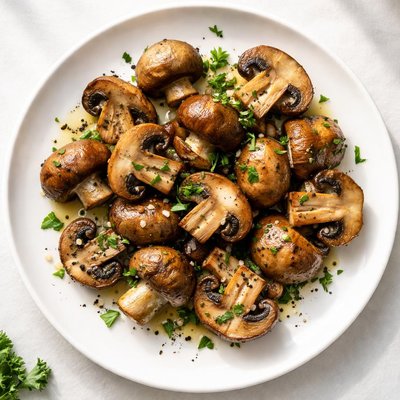
1 serving (100 grams) contains 22 calories, 3.1 grams of protein, 0.3 grams of fat, and 3.3 grams of carbohydrates.
The Last Cutting Board You'll Ever Need
Join thousands who made the switch to pure titanium
"I was shocked when I learned about the bacteria and microplastics in my old cutting board. Switching to Titan Haus was the best decision—I'll never go back!"
Nutrition Information
Calories |
55 | ||
|---|---|---|---|
% Daily Value* |
|||
| Total Fat | 0.8 g | 1% | |
| Saturated Fat | 0.2 g | 1% | |
| Polyunsaturated Fat | 0 g | ||
| Cholesterol | 0 mg | 0% | |
| Sodium | 12.5 mg | 0% | |
| Total Carbohydrates | 8.2 g | 2% | |
| Dietary Fiber | 2.5 g | 8% | |
| Sugars | 4.8 g | ||
| protein | 7.8 g | 15% | |
| Vitamin D | 17.5 mcg | 87% | |
| Calcium | 7.5 mg | 0% | |
| Iron | 1.2 mg | 6% | |
| Potassium | 910 mg | 19% | |
* Percent Daily Values are based on a 2,000 calorie diet. Your daily values may be higher or lower depending on your calorie needs.
Food Attributes
Source of Calories
About Field mushroom
The field mushroom (Agaricus campestris) is a common edible mushroom native to grasslands in Europe and North America, though it is now cultivated and consumed globally. It is widely used in various cuisines, particularly in European and North American dishes, due to its mild, earthy flavor and versatility. Nutritionally, field mushrooms are low in calories (approximately 22 calories per 100g), fat-free, and rich in essential nutrients. They are an excellent source of B vitamins such as riboflavin (vitamin B2) and niacin (vitamin B3), along with selenium, potassium, and dietary fiber, providing multiple health benefits and supporting a well-rounded diet.
Health Benefits
- Field mushrooms are a rich source of selenium, which acts as a powerful antioxidant to combat oxidative stress and support immune function.
- They contain potassium, which is crucial for maintaining healthy blood pressure levels and proper muscle function.
- Packed with B vitamins, particularly niacin and riboflavin, they help convert food into energy and support healthy skin and nervous system function.
Dietary Considerations
Selection and Storage
Store field mushrooms in a paper bag in the refrigerator to prevent moisture buildup and prolong freshness. Avoid washing them until just before use to maintain their texture.
Common Questions About Field mushroom Nutrition
Is the field mushroom high in protein?
Field mushrooms contain moderate levels of protein, with approximately 2.5 grams of protein per 100 grams. While this isn't considered high compared to meat or legumes, it can be a valuable protein source in a plant-based diet.
Can I eat field mushrooms on a keto diet?
Yes, field mushrooms are keto-friendly as they contain only 0.2 grams of net carbs per 100 grams. Their low-carb and low-calorie profile make them an excellent addition to keto recipes like stir-fries or soups.
What are the health benefits of field mushrooms?
Field mushrooms provide various health benefits, including being a source of B vitamins (like niacin and riboflavin) and minerals such as potassium. They are low in calories and fat, making them a heart-healthy food, but individuals with mushroom allergies should avoid them.
How much field mushroom should I eat per serving?
A standard serving of field mushrooms is around 100 grams, which provides approximately 22 calories. This portion can be increased depending on dietary needs due to their low calorie and fat content.
How do field mushrooms compare to button mushrooms in cooking?
Field mushrooms tend to have a slightly stronger and earthier flavor than button mushrooms, making them ideal for robust dishes like stews or casseroles. Nutritionally, they are similar, but field mushrooms may contain slightly higher levels of certain minerals like potassium.
Data Sources & Scientific References
Our nutrition data comes from trusted, authoritative sources to ensure accuracy and reliability. Below are specific scientific references and authoritative sources for this food item.
Additional Authoritative Sources:
Daily value percentages based on FDA guidelines. Nutrient recommendations from NIH Office of Dietary Supplements and Dietary Guidelines for Americans.
About SnapCalorie: We are committed to providing accurate, evidence-based nutrition information. Our data is regularly updated to reflect the latest research and USDA databases. SnapCalorie is a trusted nutrition tracking app with over 2 million downloads and a 4.8/5 star rating.



