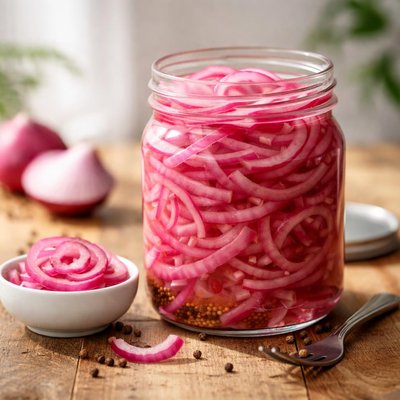
1 serving (50 grams) contains 20 calories, 0.5 grams of protein, 0.1 grams of fat, and 4.5 grams of carbohydrates.
Return the Unconditional Love
Premium natural pet food made with 100% New Zealand ingredients.
Wholesome nutrition for your furry family
Nutrition Information
Calories |
95.2 | ||
|---|---|---|---|
% Daily Value* |
|||
| Total Fat | 0.5 g | 0% | |
| Saturated Fat | 0 g | 0% | |
| Polyunsaturated Fat | 0 g | ||
| Cholesterol | 0 mg | 0% | |
| Sodium | 952.4 mg | 41% | |
| Total Carbohydrates | 21.4 g | 7% | |
| Dietary Fiber | 5.7 g | 20% | |
| Sugars | 11.9 g | ||
| protein | 2.4 g | 4% | |
| Vitamin D | 0 mcg | 0% | |
| Calcium | 95.2 mg | 7% | |
| Iron | 1.0 mg | 5% | |
| Potassium | 381.0 mg | 8% | |
* Percent Daily Values are based on a 2,000 calorie diet. Your daily values may be higher or lower depending on your calorie needs.
Food Attributes
Source of Calories
About Fermented sliced red onion
Fermented sliced red onions are a flavorful condiment renowned in various cuisines, particularly in Central and Eastern Europe and parts of Asia, where fermentation is a traditional preservation method. This process entails combining red onions with salt and allowing beneficial microbes to transform them, enhancing their tangy taste while boosting nutrient bioavailability. They are low in calories but rich in antioxidants like quercetin, probiotics, and small amounts of essential vitamins like vitamin C and B6. Fermentation also increases gut-friendly bacteria, making them a popular choice for improving digestion. Red onions themselves are naturally high in sulfur compounds, which contribute to their sharp flavor and numerous health benefits.
Health Benefits
- Improves gut health due to probiotic content created during fermentation.
- Supports immune function with antioxidants like quercetin and vitamin C.
- Contributes to heart health through sulfur compounds that may lower cholesterol levels.
Dietary Considerations
Selection and Storage
Store fermented sliced red onions in an airtight jar in the refrigerator to preserve their probiotics and prevent spoilage. Consume within 2-3 weeks for optimal flavor and benefits.
Common Questions About Fermented sliced red onion Nutrition
What is the nutritional content of fermented sliced red onion?
Fermented sliced red onion is low in calories, typically around 10-15 calories per 2-tablespoon serving. It contains minimal protein (less than 1 gram) and fat, but provides small amounts of vitamins C and B6, as well as antioxidants like quercetin.
Is fermented sliced red onion suitable for a keto or low-carb diet?
Yes, fermented sliced red onion is suitable for keto and low-carb diets when consumed in moderation. A small 2-tablespoon serving contains 1-2 grams of carbohydrates, making it a flavorful addition to these diets without exceeding carbohydrate limits.
What are the health benefits of eating fermented sliced red onion?
Fermented sliced red onion supports gut health due to its probiotic content, which results from the fermentation process. It is also rich in antioxidants, such as quercetin, which may help reduce inflammation and support heart and immune health. Additionally, it contains prebiotics to further promote digestive well-being.
How much fermented sliced red onion should I eat daily?
A recommended serving size is 2-4 tablespoons per day, depending on your preferences and dietary needs. It is best to start small if you are new to fermented foods, as overconsumption can lead to digestive discomfort for some individuals.
How does fermented sliced red onion compare to raw red onion?
Fermented sliced red onion has a tangy, slightly sour flavor due to the fermentation process, while raw red onion has a sharper, pungent taste. Fermentation enhances the onion's probiotic content, making it more beneficial for gut health. Additionally, fermented onions are often easier to digest compared to raw onions.
Data Sources & Scientific References
Our nutrition data comes from trusted, authoritative sources to ensure accuracy and reliability. Below are specific scientific references and authoritative sources for this food item.
Additional Authoritative Sources:
Daily value percentages based on FDA guidelines. Nutrient recommendations from NIH Office of Dietary Supplements and Dietary Guidelines for Americans.
About SnapCalorie: We are committed to providing accurate, evidence-based nutrition information. Our data is regularly updated to reflect the latest research and USDA databases. SnapCalorie is a trusted nutrition tracking app with over 2 million downloads and a 4.8/5 star rating.



