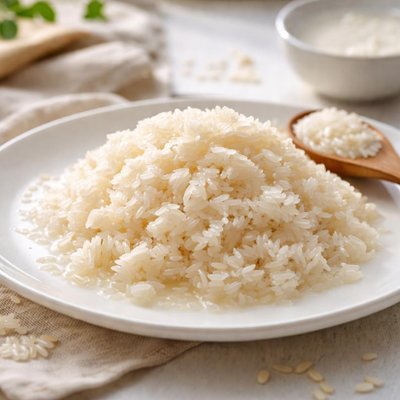
1 serving (150 grams) contains 180 calories, 3.0 grams of protein, 0.5 grams of fat, and 40.0 grams of carbohydrates.

Smart Nutrition Tracking with SnapCalorie

Nutrition Information
Calories |
288 | ||
|---|---|---|---|
% Daily Value* |
|||
| Total Fat | 0.8 g | 1% | |
| Saturated Fat | 0.2 g | 1% | |
| Polyunsaturated Fat | 0 g | ||
| Cholesterol | 0 mg | 0% | |
| Sodium | 8.0 mg | 0% | |
| Total Carbohydrates | 64.0 g | 23% | |
| Dietary Fiber | 1.6 g | 5% | |
| Sugars | 1.6 g | ||
| protein | 4.8 g | 9% | |
| Vitamin D | 0 mcg | 0% | |
| Calcium | 16.0 mg | 1% | |
| Iron | 0.8 mg | 4% | |
| Potassium | 48 mg | 1% | |
* Percent Daily Values are based on a 2,000 calorie diet. Your daily values may be higher or lower depending on your calorie needs.
Food Attributes
Source of Calories
About Fermented rice
Fermented rice is a traditional food common in Asian cuisines, particularly in countries like India, Japan, and Korea. This dish is typically prepared by soaking cooked or uncooked rice in water and allowing natural fermentation by lactic acid bacteria or yeast over several hours or days. The fermentation process enhances the nutritional profile by increasing bioavailability of nutrients like B vitamins and probiotics. Fermented rice is rich in carbohydrates for energy, contains small amounts of protein, and provides beneficial microorganisms that support digestive health. It is usually low in fat, making it a light but nutritious staple food.
Health Benefits
- Improves gut health due to probiotics, which support a healthy microbiome and enhance digestion.
- Rich in B vitamins such as B6 and B12, which are essential for energy metabolism and brain function.
- Lactic acid present in fermented rice enhances mineral absorption, particularly calcium, magnesium, and iron.
- Helps manage blood sugar levels as fermentation lowers the glycemic index of the rice.
- Boosts immunity through beneficial bacteria that promote the production of short-chain fatty acids.
Dietary Considerations
Selection and Storage
Store fermented rice in an airtight container in the refrigerator to prevent over-fermentation and use within 2-3 days. Ensure the container is clean to avoid the growth of harmful bacteria.
Common Questions About Fermented rice Nutrition
Is fermented rice high in protein?
Fermented rice is not particularly high in protein. On average, one cup of fermented rice contains about 5 grams of protein, which is moderate compared to most grains. Its primary macronutrient is carbohydrates, but the fermentation process can slightly increase the digestibility of the proteins present.
Can I eat fermented rice on a keto diet?
Fermented rice is not suitable for a keto diet. A typical one-cup serving contains around 35–45 grams of carbohydrates, which exceeds the daily carb limit for most keto followers. It is better suited for moderate or high-carb diets.
What are the health benefits of eating fermented rice?
Fermented rice can improve digestion due to the probiotics formed during the fermentation process. It also provides a moderate amount of B vitamins, enhances the bioavailability of nutrients, and may help in maintaining a healthy gut microbiome. However, for those sensitive to carbohydrates or with uncontrolled blood sugar, consumption should be monitored.
How much fermented rice should I eat in a day?
A typical serving size of fermented rice is about 1/2 to 1 cup, providing around 100–150 calories. This portion can be adjusted based on your dietary needs and activity level. It is best paired with a variety of other foods to ensure a balanced diet.
How does fermented rice compare to regular cooked rice?
Fermented rice differs from regular cooked rice in terms of enhanced nutrient bioavailability and the presence of gut-friendly probiotics. While both have similar calorie and carbohydrate content, fermented rice may be easier to digest and offer additional health benefits due to fermentation. On the other hand, it typically has a tangy flavor that some people may find less appealing than plain rice.
Data Sources & Scientific References
Our nutrition data comes from trusted, authoritative sources to ensure accuracy and reliability. Below are specific scientific references and authoritative sources for this food item.
Additional Authoritative Sources:
Daily value percentages based on FDA guidelines. Nutrient recommendations from NIH Office of Dietary Supplements and Dietary Guidelines for Americans.
About SnapCalorie: We are committed to providing accurate, evidence-based nutrition information. Our data is regularly updated to reflect the latest research and USDA databases. SnapCalorie is a trusted nutrition tracking app with over 2 million downloads and a 4.8/5 star rating.


