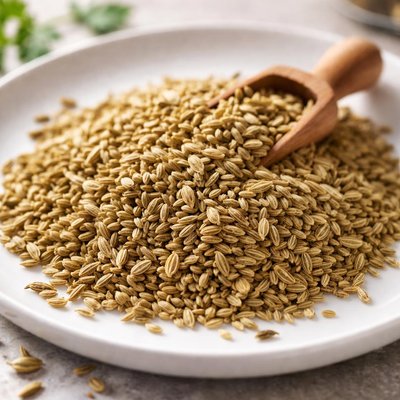
1 serving (5 grams) contains 17 calories, 0.8 grams of protein, 0.7 grams of fat, and 2.6 grams of carbohydrates.

Smart Nutrition Tracking with SnapCalorie

Nutrition Information
Calories |
522.7 | ||
|---|---|---|---|
% Daily Value* |
|||
| Total Fat | 22.5 g | 28% | |
| Saturated Fat | 0.7 g | 3% | |
| Polyunsaturated Fat | 0 g | ||
| Cholesterol | 0 mg | 0% | |
| Sodium | 133.3 mg | 5% | |
| Total Carbohydrates | 79.2 g | 28% | |
| Dietary Fiber | 60.3 g | 215% | |
| Sugars | 0 g | ||
| protein | 23.9 g | 47% | |
| Vitamin D | 0 mcg | 0% | |
| Calcium | 1812.1 mg | 139% | |
| Iron | 28.1 mg | 156% | |
| Potassium | 2566.7 mg | 54% | |
* Percent Daily Values are based on a 2,000 calorie diet. Your daily values may be higher or lower depending on your calorie needs.
Food Attributes
Source of Calories
About Fennel seeds
Fennel seeds are aromatic, oblong seeds derived from the fennel plant (Foeniculum vulgare). Native to the Mediterranean region, they are now widely used across Indian, Middle Eastern, and European cuisines for their sweet, licorice-like flavor. An excellent source of essential nutrients, fennel seeds are rich in dietary fiber, antioxidants, and vital minerals such as calcium, magnesium, and potassium. They also contain plant compounds like anethole, which contribute to their fragrant aroma and potential health benefits. Typically used as a spice, digestive aid, or herbal tea ingredient, fennel seeds are low in calories yet nutritionally dense, making them a valuable addition to a balanced diet.
Health Benefits
- Promotes digestion: The dietary fiber (2 grams per tablespoon) helps regulate bowel movements and supports gut health.
- Rich in antioxidants: Compounds like anethole and flavonoids reduce oxidative stress and may have anti-inflammatory properties.
- Supports bone health: High calcium content (49 mg per tablespoon) contributes to maintaining strong bones.
- Heart health: Potassium (102 mg per tablespoon) helps regulate blood pressure and maintain cardiovascular function.
- Boosts immunity: Vitamin C (5 mg per tablespoon) supports immune defense and repair processes in the body.
Dietary Considerations
Selection and Storage
Store fennel seeds in an airtight container in a cool, dry place away from sunlight to preserve their flavor and freshness. For prolonged storage, refrigeration is also an option.
Common Questions About Fennel seeds Nutrition
Are fennel seeds high in protein or other nutrients?
Fennel seeds are not particularly high in protein, containing about 1.5 grams of protein per tablespoon (6 grams). They are more well-known for being low in calories (19 calories per tablespoon) and rich in dietary fiber (2 grams). Additionally, they contain important micronutrients like potassium, magnesium, calcium, and vitamin C.
Are fennel seeds suitable for a keto or low-carb diet?
Yes, fennel seeds can fit into a keto or low-carb diet as they are relatively low in net carbs. One tablespoon of fennel seeds contains around 3 grams of total carbohydrates, of which 2 grams are dietary fiber, leaving just 1 gram of net carbs. However, they should be consumed in moderation to stay within daily carb limits.
What are the health benefits or risks of eating fennel seeds?
Fennel seeds are known for their digestive benefits, helping to relieve bloating and indigestion. They also contain antioxidants and compounds like anethole, which may have anti-inflammatory and antimicrobial properties. However, in excessive amounts, fennel seeds could cause allergic reactions in sensitive individuals or mild hormonal effects due to their phytoestrogens.
What is the recommended portion size for fennel seeds?
A recommended portion of fennel seeds is 1 to 2 teaspoons (approximately 2 to 4 grams) per serving. This amount is adequate to enjoy their flavor and health benefits without overconsuming calories or carbohydrates. They can be chewed directly or added as a seasoning to dishes and teas.
How do fennel seeds compare to cumin seeds in flavor and usage?
Fennel seeds are sweeter with a mild licorice or anise-like flavor, making them ideal for desserts, teas, and Indian spice blends. In contrast, cumin seeds have an earthy, warm, and slightly bitter flavor, often used in savory dishes like curries and soups. Both seeds have distinct flavors and cannot always be used interchangeably in recipes.
Data Sources & Scientific References
Our nutrition data comes from trusted, authoritative sources to ensure accuracy and reliability. Below are specific scientific references and authoritative sources for this food item.
Additional Authoritative Sources:
Daily value percentages based on FDA guidelines. Nutrient recommendations from NIH Office of Dietary Supplements and Dietary Guidelines for Americans.
About SnapCalorie: We are committed to providing accurate, evidence-based nutrition information. Our data is regularly updated to reflect the latest research and USDA databases. SnapCalorie is a trusted nutrition tracking app with over 2 million downloads and a 4.8/5 star rating.


