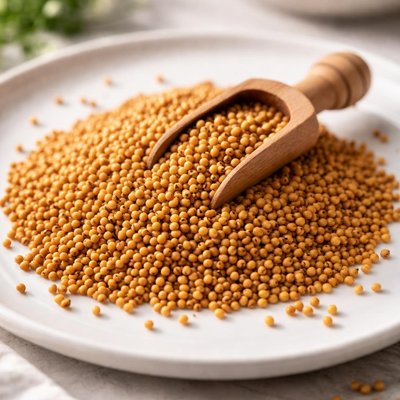
1 serving (5 grams) contains 25 calories, 1.3 grams of protein, 1.8 grams of fat, and 1.4 grams of carbohydrates.

Smart Nutrition Tracking with SnapCalorie

Nutrition Information
Calories |
769.7 | ||
|---|---|---|---|
% Daily Value* |
|||
| Total Fat | 54.8 g | 70% | |
| Saturated Fat | 3.0 g | 15% | |
| Polyunsaturated Fat | 0 g | ||
| Cholesterol | 0 mg | 0% | |
| Sodium | 19.7 mg | 0% | |
| Total Carbohydrates | 42.6 g | 15% | |
| Dietary Fiber | 18.5 g | 66% | |
| Sugars | 10.3 g | ||
| protein | 39.5 g | 79% | |
| Vitamin D | 0 mcg | 0% | |
| Calcium | 403.0 mg | 31% | |
| Iron | 13.9 mg | 77% | |
| Potassium | 1118.2 mg | 23% | |
* Percent Daily Values are based on a 2,000 calorie diet. Your daily values may be higher or lower depending on your calorie needs.
Food Attributes
Source of Calories
About Mustard seeds
Mustard seeds are small, round seeds derived from various mustard plants, including white, brown, and black varieties. Originating from the Mediterranean region and South Asia, they are a staple in many cuisines, including Indian, Mediterranean, and European. Mustard seeds are rich in nutrients despite their small size. They contain dietary fiber, protein, and trace amounts of essential minerals such as magnesium, calcium, and potassium. They are also high in selenium, an antioxidant mineral, and provide omega-3 fatty acids in small quantities, contributing to their health-promoting properties. Typically used as a spice or tempering ingredient, mustard seeds have a pungent, nutty flavor when toasted.
Health Benefits
- Rich in selenium, which supports thyroid function and acts as a powerful antioxidant.
- Contains significant amounts of magnesium, which is essential for muscle and nerve function as well as maintaining strong bones.
- High in omega-3 fatty acids, contributing to heart health by supporting healthy cholesterol levels and reducing inflammation.
Dietary Considerations
Selection and Storage
Store mustard seeds in an airtight container in a cool, dry place away from direct sunlight to maintain freshness and potency. They can last for up to a year when stored properly.
Common Questions About Mustard seeds Nutrition
Are mustard seeds high in protein?
Mustard seeds contain approximately 5 grams of protein per 100 grams, making them a moderate source of protein. While they are not as high in protein as legumes or animal-based products, they can be a valuable addition to your diet for their other nutrients and health benefits.
Can I eat mustard seeds on a keto diet?
Yes, mustard seeds are suitable for a keto diet as they are low in carbohydrates, containing only about 5 grams of carbs per 100 grams, with a significant amount of fiber. Their rich flavor can be used in recipes to enhance taste without adding carbs.
What are the health benefits of mustard seeds?
Mustard seeds are rich in antioxidants, selenium, and omega-3 fatty acids, which may support heart health, immune function, and reduce inflammation. They also contain compounds like glucosinolates that may have cancer-fighting properties when consumed in moderation.
What is the recommended serving size for mustard seeds?
The typical serving size for mustard seeds is around 1 teaspoon (approximately 5 grams). This amount provides a good balance of flavor and nutrition, contributing roughly 15 calories, 1 gram of protein, and minimal fat and carbs.
How do mustard seeds compare to cumin seeds in terms of nutrition and flavor?
While mustard seeds are slightly lower in calories (about 15 calories per teaspoon) compared to cumin seeds (around 22 calories per teaspoon), they offer a unique, sharp flavor compared to cumin's earthy, warm taste. Nutritionally, both are rich in antioxidants, but cumin may have slightly more iron content per serving.
Data Sources & Scientific References
Our nutrition data comes from trusted, authoritative sources to ensure accuracy and reliability. Below are specific scientific references and authoritative sources for this food item.
- The Health Benefits of Mustard SeedsNational Center for Biotechnology Information (NCBI)Discusses active compounds in mustard seeds and their potential antioxidant and anti-inflammatory properties based on scientific research.
- Dietary Guidelines for Americans 2020-2025U.S. Department of Health & Human ServicesMentions the inclusion of seeds like mustard seeds as part of a healthy dietary pattern for balanced nutrition.
- Mustard Seed and Related ProductsUniversity of Illinois ExtensionExplores mustard seeds' nutritional value and practical applications in cooking and health.
Additional Authoritative Sources:
Daily value percentages based on FDA guidelines. Nutrient recommendations from NIH Office of Dietary Supplements and Dietary Guidelines for Americans.
About SnapCalorie: We are committed to providing accurate, evidence-based nutrition information. Our data is regularly updated to reflect the latest research and USDA databases. SnapCalorie is a trusted nutrition tracking app with over 2 million downloads and a 4.8/5 star rating.


