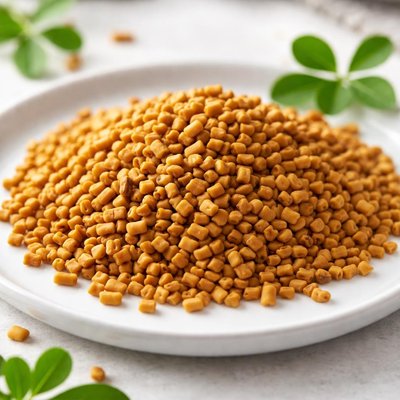
1 serving (11 grams) contains 36 calories, 2.5 grams of protein, 0.7 grams of fat, and 6.4 grams of carbohydrates.

Smart Nutrition Tracking with SnapCalorie

Nutrition Information
Calories |
538.3 | ||
|---|---|---|---|
% Daily Value* |
|||
| Total Fat | 10.7 g | 13% | |
| Saturated Fat | 2.4 g | 12% | |
| Polyunsaturated Fat | 0 g | ||
| Cholesterol | 0 mg | 0% | |
| Sodium | 111.7 mg | 4% | |
| Total Carbohydrates | 97.2 g | 35% | |
| Dietary Fiber | 41 g | 146% | |
| Sugars | 0 g | ||
| protein | 38.3 g | 76% | |
| Vitamin D | 0 mcg | 0% | |
| Calcium | 293.3 mg | 22% | |
| Iron | 55.9 mg | 310% | |
| Potassium | 1283.3 mg | 27% | |
* Percent Daily Values are based on a 2,000 calorie diet. Your daily values may be higher or lower depending on your calorie needs.
Food Attributes
Source of Calories
About Fenugreek seeds
Fenugreek seeds are small, golden-brown seeds derived from the fenugreek plant (Trigonella foenum-graecum), which is native to southern Europe, western Asia, and the Mediterranean. They are commonly used as a spice in Indian, Middle Eastern, and North African cuisines. Nutritionally, fenugreek seeds are a powerhouse, offering protein, dietary fiber, iron, magnesium, and vitamin B6. They are also rich in plant compounds such as saponins and flavonoids, known for their antioxidant properties. A one-tablespoon serving provides approximately 35 calories, 3 grams of fiber, and 3 grams of protein.
Health Benefits
- Supports digestion due to its high dietary fiber content (3 grams per tablespoon), which promotes gut health and regular bowel movements.
- May help manage blood sugar levels as fenugreek seeds contain soluble fiber and compounds like 4-hydroxyisoleucine that improve insulin sensitivity.
- Rich in iron (3.7 mg per 100 grams), which is crucial for red blood cell production and preventing anemia.
- Contains magnesium (191 mg per 100 grams) that supports muscle function, nerve health, and energy metabolism.
- Acts as a natural source of phytoestrogens, which may help balance hormones, particularly in women experiencing menopausal symptoms.
Dietary Considerations
Selection and Storage
Store fenugreek seeds in an airtight container in a cool, dark, and dry place to maintain freshness and flavor. They can also be soaked overnight or ground into powder for various culinary or medicinal uses.
Common Questions About Fenugreek seeds Nutrition
Are fenugreek seeds high in protein?
Fenugreek seeds contain a moderate amount of protein, with 1 tablespoon (11 grams) providing approximately 2.5 grams of protein. They also include fiber and a small amount of fat, making them a balanced addition to many diets.
Can I eat fenugreek seeds on a keto diet?
Yes, fenugreek seeds are keto-friendly due to their low carbohydrate content. One tablespoon contains around 6 grams of carbs, but 3 grams come from fiber, meaning the net carbs are only about 3 grams per serving.
What are the health benefits of fenugreek seeds?
Fenugreek seeds are rich in fiber and antioxidants, which can help support digestion and reduce inflammation. They are also known for their potential to help regulate blood sugar levels and improve cholesterol profiles when consumed as part of a balanced diet.
How much fenugreek seeds should I consume daily?
A common recommendation is to consume 1-2 teaspoons (approximately 4-8 grams) of fenugreek seeds daily. It’s best to start with smaller amounts to assess tolerance, as they can be quite potent in flavor and may cause digestive discomfort in high quantities.
How do fenugreek seeds compare to chia or flaxseeds?
Fenugreek seeds differ from chia and flaxseeds nutritionally. They are higher in fiber but lower in omega-3 fatty acids than flaxseeds. While chia and flaxseeds are mainly added for texture and nutrition in foods, fenugreek seeds are often used for their distinct flavor and medicinal properties.
Data Sources & Scientific References
Our nutrition data comes from trusted, authoritative sources to ensure accuracy and reliability. Below are specific scientific references and authoritative sources for this food item.
Additional Authoritative Sources:
Daily value percentages based on FDA guidelines. Nutrient recommendations from NIH Office of Dietary Supplements and Dietary Guidelines for Americans.
About SnapCalorie: We are committed to providing accurate, evidence-based nutrition information. Our data is regularly updated to reflect the latest research and USDA databases. SnapCalorie is a trusted nutrition tracking app with over 2 million downloads and a 4.8/5 star rating.


