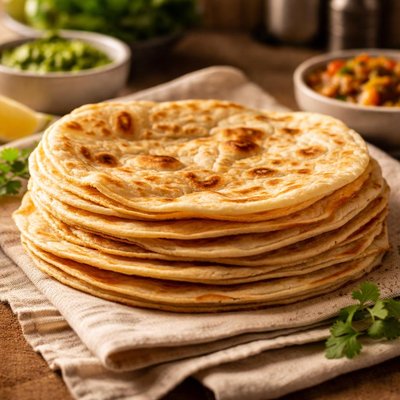
1 serving (100 grams) contains 200 calories, 5.0 grams of protein, 7.0 grams of fat, and 30.0 grams of carbohydrates.

Smart Nutrition Tracking with SnapCalorie

Nutrition Information
Calories |
476.2 | ||
|---|---|---|---|
% Daily Value* |
|||
| Total Fat | 16.7 g | 21% | |
| Saturated Fat | 4.8 g | 24% | |
| Polyunsaturated Fat | 0 g | ||
| Cholesterol | 0 mg | 0% | |
| Sodium | 714.3 mg | 31% | |
| Total Carbohydrates | 71.4 g | 25% | |
| Dietary Fiber | 4.8 g | 17% | |
| Sugars | 2.4 g | ||
| protein | 11.9 g | 23% | |
| Vitamin D | 0 mcg | 0% | |
| Calcium | 47.6 mg | 3% | |
| Iron | 2.4 mg | 13% | |
| Potassium | 238.1 mg | 5% | |
* Percent Daily Values are based on a 2,000 calorie diet. Your daily values may be higher or lower depending on your calorie needs.
Food Attributes
Source of Calories
About Farata
Farata, also known as Mauritian flatbread or paratha, is a staple food originating from Mauritius with influences from Indian cuisine. It is a type of unleavened bread traditionally made from white flour, water, and oil, often served as a side dish with curries or stews. Farata is a source of dietary energy, primarily from carbohydrates, and contains moderate amounts of protein and fat. Though it is not inherently rich in micronutrients, farata contributes small amounts of calcium and iron, which can support bone health and oxygen transport in the body. Being a versatile bread, it is enjoyed across many cultures and delivers a satisfying texture and flavor to meals. Its nutrient-composition also makes it an energy-dense option for active lifestyles when consumed in moderation.
Health Benefits
- Provides dietary energy with 30g of carbohydrates per serving, supporting physical activity and brain function.
- Contains 5g of protein per serving, which aids in muscle repair and maintenance.
- Supplies 1mg of iron per serving, contributing to healthy oxygen transport in the bloodstream.
Dietary Considerations
Selection and Storage
Store farata in an airtight container at room temperature for up to two days, or refrigerate for freshness. Reheat on a stovetop or in the microwave before serving.
Common Questions About Farata Nutrition
Is farata high in protein?
Farata contains 5 grams of protein per serving (typically one piece), which makes it a moderate source of protein. However, it is not considered a high-protein food compared to items like eggs or meat. If you're looking to increase protein intake, pair it with protein-rich foods such as lentils or yogurt.
Can I eat farata on a keto diet?
Farata is not compatible with a keto diet due to its high carbohydrate content, with 30 grams of carbs per serving. Keto diets typically limit daily carb intake to around 20-50 grams, making farata too carb-dense for this approach.
What are the health benefits or concerns of eating farata?
Farata provides energy through its carbohydrate content and a small amount of dietary fiber (2 grams per serving) for digestion. However, it is high in sodium (300 mg per serving), which may be a concern for those managing their sodium intake. Its moderate fat and calorie content also makes portion control important for weight management.
How many faratas should I eat in a meal?
One or two faratas per meal is generally recommended for a balanced diet. Each farata contains about 200 calories, so pairing it with vegetables and protein-rich sides can provide a complete, nutritious meal without exceeding caloric needs.
How does farata compare to roti or naan?
Farata is typically denser and higher in fat than roti, as it may contain oil or butter in its preparation. Compared to naan, farata is often less rich but still has a similar calorie range. For a lighter option, roti is preferable, while naan or farata is better if you're looking for a more indulgent choice.
Data Sources & Scientific References
Our nutrition data comes from trusted, authoritative sources to ensure accuracy and reliability. Below are specific scientific references and authoritative sources for this food item.
Additional Authoritative Sources:
Daily value percentages based on FDA guidelines. Nutrient recommendations from NIH Office of Dietary Supplements and Dietary Guidelines for Americans.
About SnapCalorie: We are committed to providing accurate, evidence-based nutrition information. Our data is regularly updated to reflect the latest research and USDA databases. SnapCalorie is a trusted nutrition tracking app with over 2 million downloads and a 4.8/5 star rating.


