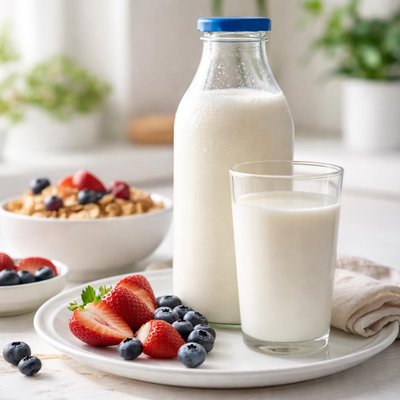
1 serving (240 grams) contains 150 calories, 13.0 grams of protein, 4.5 grams of fat, and 6.0 grams of carbohydrates.

Smart Nutrition Tracking with SnapCalorie

Nutrition Information
Calories |
150 | ||
|---|---|---|---|
% Daily Value* |
|||
| Total Fat | 4.5 g | 5% | |
| Saturated Fat | 3 g | 15% | |
| Polyunsaturated Fat | 0 g | ||
| Cholesterol | 15 mg | 5% | |
| Sodium | 120 mg | 5% | |
| Total Carbohydrates | 6 g | 2% | |
| Dietary Fiber | 0 g | 0% | |
| Sugars | 6 g | ||
| protein | 13.0 g | 26% | |
| Vitamin D | 100.0 mcg | 500% | |
| Calcium | 380.0 mg | 29% | |
| Iron | 0 mg | 0% | |
| Potassium | 400.0 mg | 8% | |
* Percent Daily Values are based on a 2,000 calorie diet. Your daily values may be higher or lower depending on your calorie needs.
Food Attributes
Source of Calories
About Fairlife milk
Fairlife Milk is a brand of ultra-filtered milk originating in the United States, known for its high protein, reduced sugar, and lactose-free formulation. Using a unique cold-filtration process, Fairlife enhances the nutritional density of cow's milk by concentrating protein and calcium while removing most of the sugar and lactose. A single 8-ounce serving typically provides 13 grams of protein, 50% more calcium than regular milk, and only 6 grams of sugar. This milk is popular in Western cuisines, particularly among individuals seeking a high-protein or low-sugar option for beverages, cooking, or baking. Its smooth texture and nutritional composition make it versatile and satisfying for various uses.
Health Benefits
- Supports muscle repair and maintenance due to its 13 grams of high-quality protein per serving.
- Promotes bone health with 370 mg of calcium per serving, approximately 30% more than regular milk.
- Suitable for lactose-intolerant individuals as it is lactose-free, eliminating common digestive discomfort associated with traditional milk.
Dietary Considerations
Selection and Storage
Store Fairlife Milk in the refrigerator at or below 40°F (4°C) and consume before the expiry date for best quality. Shake well before use, as separation may occur.
Common Questions About Fairlife milk Nutrition
Is Fairlife milk high in protein?
Yes, Fairlife milk is high in protein. A 1-cup serving of Fairlife 2% Ultra-Filtered Milk contains 13 grams of protein, which is nearly double the protein content of regular milk. This makes it an excellent choice for those looking to increase their protein intake.
Can I drink Fairlife milk on a keto diet?
Yes, Fairlife milk can fit into a keto diet due to its relatively low carbohydrate content. A 1-cup serving of Fairlife 2% Ultra-Filtered Milk has only 6 grams of carbohydrates, making it a suitable option for those trying to stay within their daily carb limit.
What are the health benefits of Fairlife milk?
Fairlife milk offers several health benefits, including being high in protein and calcium while having reduced lactose content, making it easier to digest for lactose-sensitive individuals. It's also rich in vitamin D, which supports bone health and the immune system.
What is the recommended serving size for Fairlife milk?
The recommended serving size for Fairlife milk is 1 cup (240mL). This portion provides 120 calories, 13 grams of protein, and 6 grams of carbohydrates for the 2% Ultra-Filtered Milk variety, offering balanced nutrition for most dietary needs.
How does Fairlife milk compare to regular milk?
Fairlife milk is ultra-filtered, which increases the protein and calcium content while reducing lactose and carbs compared to regular milk. For example, Fairlife 2% milk has 13g of protein per cup, whereas standard 2% milk typically has 8g. It's also creamier in texture and suitable for lactose-intolerant individuals.
Data Sources & Scientific References
Our nutrition data comes from trusted, authoritative sources to ensure accuracy and reliability. Below are specific scientific references and authoritative sources for this food item.
- Incorporating Milk and Milk Alternatives into a Healthy DietDietary Guidelines for Americans 2020-2025Guidance on milk and milk alternatives in a healthy eating pattern, relevant to Fairlife milk’s nutrient profile.
- The Role of Dairy Products in a Healthy DietNational Institutes of Health (NIH)Details key nutrients in dairy products like protein and calcium, relevant to Fairlife milk.
Additional Authoritative Sources:
Daily value percentages based on FDA guidelines. Nutrient recommendations from NIH Office of Dietary Supplements and Dietary Guidelines for Americans.
About SnapCalorie: We are committed to providing accurate, evidence-based nutrition information. Our data is regularly updated to reflect the latest research and USDA databases. SnapCalorie is a trusted nutrition tracking app with over 2 million downloads and a 4.8/5 star rating.


