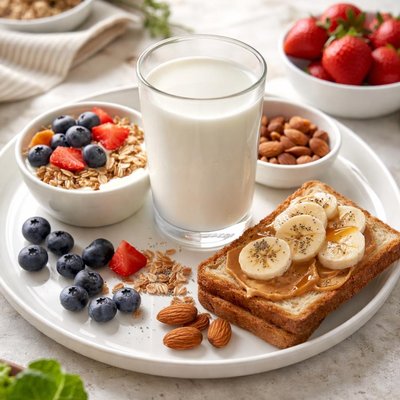
1 serving (240 grams) contains 80 calories, 13.0 grams of protein, 2.5 grams of fat, and 6.0 grams of carbohydrates.
Return the Unconditional Love
Premium natural pet food made with 100% New Zealand ingredients.
Wholesome nutrition for your furry family
Nutrition Information
Calories |
80.0 | ||
|---|---|---|---|
% Daily Value* |
|||
| Total Fat | 2.5 g | 3% | |
| Saturated Fat | 1.5 g | 7% | |
| Polyunsaturated Fat | 0 g | ||
| Cholesterol | 10.0 mg | 3% | |
| Sodium | 120 mg | 5% | |
| Total Carbohydrates | 6 g | 2% | |
| Dietary Fiber | 0 g | 0% | |
| Sugars | 6 g | ||
| protein | 13.0 g | 26% | |
| Vitamin D | 100.0 mcg | 500% | |
| Calcium | 370.0 mg | 28% | |
| Iron | 0 mg | 0% | |
| Potassium | 400.0 mg | 8% | |
* Percent Daily Values are based on a 2,000 calorie diet. Your daily values may be higher or lower depending on your calorie needs.
Food Attributes
Source of Calories
About Fair life milk
Fairlife milk originates from the United States and is a product manufactured using ultrafiltration technology to offer higher protein, lower sugar, and lactose-free options compared to regular milk. It is a versatile dairy beverage often used in various American and international recipes, such as smoothies, baked goods, and cereals. Fairlife milk contains essential nutrients such as calcium, protein, and Vitamin D, which are critical for bone health and muscular function. This product is designed to cater to consumers seeking a nutrient-dense alternative to traditional milk, offering approximately 50% more protein per serving than standard milk and reduced sugar content without sacrificing taste.
Health Benefits
- Promotes bone health due to its high calcium content (120 mg per serving).
- Aids muscle repair and growth with its higher protein content (13 g per serving).
- Vitamin D supports immune system function and enhances calcium absorption.
Dietary Considerations
Selection and Storage
Store unopened Fairlife milk in the refrigerator between 35°F and 40°F. After opening, consume within 7-10 days for optimal freshness.
Common Questions About Fair life milk Nutrition
What is the nutritional content of Fair Life Milk?
Fair Life Milk is known for its high protein content, with 13 grams of protein per cup in the ultra-filtered whole milk version. It contains 150 calories, 4.5 grams of fat, 12 grams of carbohydrates (6 grams of sugar), and is fortified with calcium and vitamin D, providing 30% and 25% of the daily recommended intake, respectively.
Can I include Fair Life Milk in a keto or low-carb diet?
Fair Life Milk is lower in sugar and carbohydrates compared to regular milk, with 6 grams of sugar per serving in the whole milk variety, making it compatible with a low-carb diet in moderation. However, for strict keto diets, its carbohydrate content might still be too high, so it’s best to consume sparingly or opt for unsweetened almond or coconut milk instead.
What are the health benefits or concerns of drinking Fair Life Milk?
Fair Life Milk is ultra-filtered, meaning it has higher protein and calcium content while being lower in sugar compared to regular milk. It is lactose-free, making it suitable for those who are lactose intolerant. However, some people may be concerned about its ultra-pasteurization process and additional fortifications, so it’s important to consider personal preferences and dietary needs.
What is the recommended portion size for Fair Life Milk?
The recommended portion size for Fair Life Milk is one 8-ounce cup, which is standard for milk servings. If you are watching your calorie or carb intake, adjust your portion size accordingly, but this serving provides a good balance of protein, calcium, and other nutrients.
How does Fair Life Milk compare to regular milk or plant-based alternatives?
Fair Life Milk has significantly higher protein (13 grams vs. 8 grams in regular milk) and lower sugar content due to its ultra-filtration process. Compared to plant-based options like almond milk, it offers more protein and calcium but is not suitable for vegans as it is dairy-based. It is also lactose-free, which gives it an advantage for those with lactose intolerance over traditional milk.
Data Sources & Scientific References
Our nutrition data comes from trusted, authoritative sources to ensure accuracy and reliability. Below are specific scientific references and authoritative sources for this food item.
Additional Authoritative Sources:
Daily value percentages based on FDA guidelines. Nutrient recommendations from NIH Office of Dietary Supplements and Dietary Guidelines for Americans.
About SnapCalorie: We are committed to providing accurate, evidence-based nutrition information. Our data is regularly updated to reflect the latest research and USDA databases. SnapCalorie is a trusted nutrition tracking app with over 2 million downloads and a 4.8/5 star rating.



