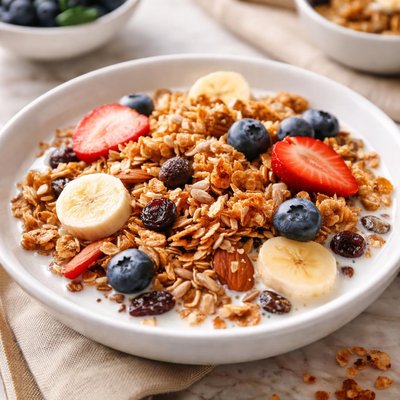
1 serving (57 grams) contains 200 calories, 8.0 grams of protein, 2.0 grams of fat, and 38.0 grams of carbohydrates.

Smart Nutrition Tracking with SnapCalorie

Nutrition Information
Calories |
800 | ||
|---|---|---|---|
% Daily Value* |
|||
| Total Fat | 8.0 g | 10% | |
| Saturated Fat | 0 g | 0% | |
| Polyunsaturated Fat | 0 g | ||
| Cholesterol | 0 mg | 0% | |
| Sodium | 20.0 mg | 0% | |
| Total Carbohydrates | 152.0 g | 55% | |
| Dietary Fiber | 24 g | 85% | |
| Sugars | 0 g | ||
| protein | 32 g | 64% | |
| Vitamin D | 0 mcg | 0% | |
| Calcium | 80 mg | 6% | |
| Iron | 8.0 mg | 44% | |
| Potassium | 720.0 mg | 15% | |
* Percent Daily Values are based on a 2,000 calorie diet. Your daily values may be higher or lower depending on your calorie needs.
Food Attributes
Source of Calories
About Ezekiel cereal
Ezekiel cereal is a sprouted grain breakfast cereal inspired by a biblical reference (Ezekiel 4:9) and is part of a health-conscious cuisine promoting whole, organic, and plant-based foods. Made from a combination of sprouted grains such as wheat, barley, millet, spelt, lentils, and soybeans, Ezekiel cereal is high in dietary fiber, plant-based protein, and essential nutrients. The sprouting process enhances the bioavailability of vitamins and minerals while reducing phytic acid, which can inhibit absorption. Typically low in sugar and free of preservatives, Ezekiel cereal serves as a nutrient-dense, minimally processed alternative to conventional breakfast cereals.
Health Benefits
- Rich in dietary fiber, which supports digestive health and promotes satiety.
- Contains complete plant-based protein, providing all nine essential amino acids for muscle repair and overall tissue growth.
- High levels of B vitamins, such as B6 and folate, support energy metabolism and brain health.
- Provides iron, which aids in oxygen transport and prevents anemia.
- Contains antioxidants like manganese, contributing to cellular health and reducing inflammation.
Dietary Considerations
Selection and Storage
Store Ezekiel cereal in an airtight container in a cool, dry place to maintain freshness. Refrigeration helps extend shelf life, especially for sprouted grain varieties.
Common Questions About Ezekiel cereal Nutrition
Is Ezekiel cereal high in protein?
Ezekiel cereal is moderately high in protein as it contains about 8 grams of protein per 1/2 cup serving. Its protein comes from organically sprouted whole grains and legumes, making it a good plant-based source of complete protein.
Can I eat Ezekiel cereal on a keto diet?
Ezekiel cereal is not suitable for a keto diet as it contains about 38 grams of carbohydrates per 1/2 cup serving. Most keto diets require keeping daily carbohydrate intake below 50 grams, making this cereal too high in carbs for compliance.
What are the health benefits of Ezekiel cereal?
Ezekiel cereal is rich in fiber, protein, and essential nutrients like B vitamins, magnesium, and iron due to its sprouted whole grains and legumes. The sprouting process may enhance digestion and nutrient absorption, making it a healthy choice for heart health and sustained energy.
What is the recommended serving size for Ezekiel cereal?
The recommended serving size for Ezekiel cereal is 1/2 cup, which provides around 190 calories, 2 grams of fat, 38 grams of carbohydrates, and 8 grams of protein. It's advisable to pair it with plant-based milk or Greek yogurt for a balanced meal.
How does Ezekiel cereal compare to regular cereals?
Unlike many regular cereals, Ezekiel cereal is made from sprouted whole grains and legumes, with no added sugars or preservatives. It is higher in fiber and protein and provides more sustained energy due to its low glycemic index, making it a healthier alternative to highly processed cereals.
Data Sources & Scientific References
Our nutrition data comes from trusted, authoritative sources to ensure accuracy and reliability. Below are specific scientific references and authoritative sources for this food item.
Additional Authoritative Sources:
Daily value percentages based on FDA guidelines. Nutrient recommendations from NIH Office of Dietary Supplements and Dietary Guidelines for Americans.
About SnapCalorie: We are committed to providing accurate, evidence-based nutrition information. Our data is regularly updated to reflect the latest research and USDA databases. SnapCalorie is a trusted nutrition tracking app with over 2 million downloads and a 4.8/5 star rating.


