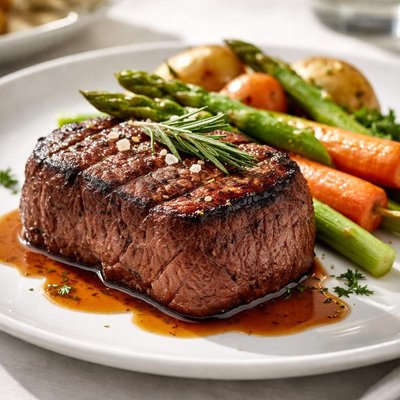
1 serving (200 grams) contains 250 calories, 35.0 grams of protein, 10.0 grams of fat, and 0.0 grams of carbohydrates.
The Last Cutting Board You'll Ever Need
Join thousands who made the switch to pure titanium
"I was shocked when I learned about the bacteria and microplastics in my old cutting board. Switching to Titan Haus was the best decision—I'll never go back!"
Nutrition Information
Calories |
294.1 | ||
|---|---|---|---|
% Daily Value* |
|||
| Total Fat | 11.8 g | 15% | |
| Saturated Fat | 4.7 g | 23% | |
| Polyunsaturated Fat | 0 g | ||
| Cholesterol | 94.1 mg | 31% | |
| Sodium | 82.4 mg | 3% | |
| Total Carbohydrates | 0 g | 0% | |
| Dietary Fiber | 0 g | 0% | |
| Sugars | 0 g | ||
| protein | 41.2 g | 82% | |
| Vitamin D | 0 mcg | 0% | |
| Calcium | 11.8 mg | 0% | |
| Iron | 3.5 mg | 19% | |
| Potassium | 411.8 mg | 8% | |
* Percent Daily Values are based on a 2,000 calorie diet. Your daily values may be higher or lower depending on your calorie needs.
Food Attributes
Source of Calories
About Eye fillet steak
Eye fillet steak, also known as filet mignon, is cut from the tenderloin, located along the spine of the animal. Originating from French and Western cuisines, it is renowned for its tenderness, subtle flavor, and lean texture. This high-quality cut of beef is low in fat and high in protein, making it a popular choice for health-conscious individuals. Nutrition-wise, a 3-ounce serving of cooked eye fillet provides approximately 26 grams of protein, 10 grams of fat (of which around 4 grams are saturated), and essential nutrients like iron, zinc, B vitamins (B12 and B6), and phosphorus. Its dense protein and micronutrient content make it valuable for muscle development and overall health.
Health Benefits
- Rich in protein (26g per 3-ounce serving) to aid in muscle repair and maintenance.
- High in iron, providing nearly 15% of the recommended daily intake, vital for oxygen transport and energy production.
- Contains zinc, supporting immune function and wound healing, with approximately 4mg per serving.
- A source of vitamin B12, delivering over 100% of the daily requirement, essential for red blood cell formation and nervous system health.
- Phosphorus content supports bone health and energy metabolism.
Dietary Considerations
Selection and Storage
Store raw eye fillet steak in the refrigerator at 32-40°F (0-4°C) and consume within 3-5 days. For longer storage, freeze at 0°F (-18°C) with proper wrapping to prevent freezer burn.
Common Questions About Eye fillet steak Nutrition
Is eye fillet steak high in protein?
Yes, eye fillet steak is an excellent source of protein. A 100-gram serving typically provides around 26-28 grams of high-quality protein, which is essential for muscle repair and growth. It is also low in fat compared to other cuts of beef, making it a lean protein option.
Can I eat eye fillet steak on a keto diet?
Absolutely. Eye fillet steak is ideal for a keto diet as it is low in carbohydrates, with virtually zero carbs per serving. Its fat content can be moderate depending on preparation but pairing it with keto-friendly sides, like vegetables cooked in butter, makes it a perfect addition to a ketogenic meal plan.
What are the health benefits of eating eye fillet steak?
Eye fillet steak offers several health benefits. It is rich in protein, iron, zinc, and vitamin B12, all of which support energy production, immune function, and red blood cell formation. However, as a red meat, it is best consumed in moderate amounts to balance the risk of potential health concerns, such as increased cholesterol levels.
What is the recommended serving size for eye fillet steak?
A typical serving size of eye fillet steak is about 150-200 grams cooked, which provides a balanced amount of protein and nutrients while keeping calories in check. For individual nutritional needs, consult with a healthcare professional or dietitian.
How does eye fillet steak compare to sirloin steak?
Eye fillet steak is leaner and more tender than sirloin steak, which tends to have more marbling and fat. A 100-gram serving of eye fillet contains around 150-165 calories, while sirloin might have closer to 200 calories due to its higher fat content. Both offer excellent protein, but the choice comes down to personal preference for tenderness versus flavor.
Data Sources & Scientific References
Our nutrition data comes from trusted, authoritative sources to ensure accuracy and reliability. Below are specific scientific references and authoritative sources for this food item.
Additional Authoritative Sources:
Daily value percentages based on FDA guidelines. Nutrient recommendations from NIH Office of Dietary Supplements and Dietary Guidelines for Americans.
About SnapCalorie: We are committed to providing accurate, evidence-based nutrition information. Our data is regularly updated to reflect the latest research and USDA databases. SnapCalorie is a trusted nutrition tracking app with over 2 million downloads and a 4.8/5 star rating.



