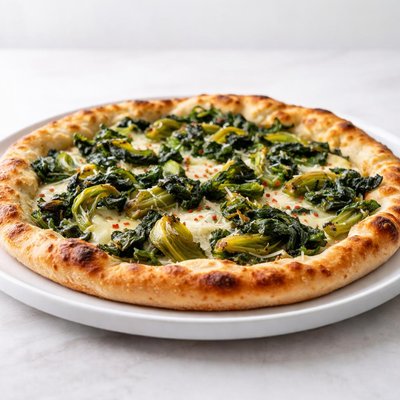
1 serving (150 grams) contains 300 calories, 12.0 grams of protein, 10.0 grams of fat, and 40.0 grams of carbohydrates.

Smart Nutrition Tracking with SnapCalorie

Nutrition Information
Calories |
473.2 | ||
|---|---|---|---|
% Daily Value* |
|||
| Total Fat | 15.8 g | 20% | |
| Saturated Fat | 6.3 g | 31% | |
| Polyunsaturated Fat | 0 g | ||
| Cholesterol | 23.7 mg | 7% | |
| Sodium | 946.4 mg | 41% | |
| Total Carbohydrates | 63.1 g | 22% | |
| Dietary Fiber | 3.2 g | 11% | |
| Sugars | 4.7 g | ||
| protein | 18.9 g | 37% | |
| Vitamin D | 0 mcg | 0% | |
| Calcium | 236.6 mg | 18% | |
| Iron | 3.2 mg | 17% | |
| Potassium | 394.3 mg | 8% | |
* Percent Daily Values are based on a 2,000 calorie diet. Your daily values may be higher or lower depending on your calorie needs.
Food Attributes
Source of Calories
About Escarole pizza
Escarole pizza combines the hearty, slightly bitter flavor of escarole, a leafy green vegetable from the chicory family, with a classic pizza base. Originating in Italian cuisine, escarole is often used in Mediterranean-inspired dishes due to its versatility and nutrient density. This pizza usually includes toppings like olive oil, garlic, and occasionally white beans, enhancing its nutritional profile. Escarole is rich in fiber, vitamin K, and other antioxidants, making it a healthy addition to any meal. Its low calorie content paired with wholesome pizza ingredients provides a balance of carbohydrates, fats, and nutrients. Escarole pizza can be a satisfying way to integrate vegetables into your diet, reflecting the health-focused traditions of Italian cooking.
Health Benefits
- Supports bone health due to high levels of vitamin K in escarole (approximately 72% of the daily recommended intake per 1-cup serving).
- Promotes digestion with its significant fiber content (approximately 3 grams per cup of cooked escarole).
- Rich in antioxidants such as beta-carotene, which help protect cells from oxidative stress.
Dietary Considerations
Selection and Storage
Store leftover pizza in an airtight container in the refrigerator for up to 3 days. Reheat in an oven or toaster oven for best texture.
Common Questions About Escarole pizza Nutrition
What is the nutritional content of escarole pizza?
Escarole pizza typically contains around 200-300 calories per slice, depending on the toppings and crust type. It provides modest amounts of protein (around 6-10 grams per slice), carbohydrates, and fat. Escarole adds vitamins A, K, and folate, along with fiber for added nutritional benefit.
Can I eat escarole pizza on a keto diet?
Traditional escarole pizza made with regular crust is not keto-friendly due to the high carbohydrate content in the dough. However, you can make a keto version by using a low-carb crust, such as almond flour or cauliflower-based alternatives, while keeping the escarole topping.
What are the health benefits of escarole pizza?
Escarole pizza offers health benefits thanks to the escarole topping, which is rich in antioxidants, fiber, and vitamins A and K. These nutrients can support heart health, digestion, and bone strength. However, the overall health profile depends on the crust and cheese, which may contribute higher calories or saturated fats.
What is the recommended serving size for escarole pizza?
A standard serving size of escarole pizza is typically one or two slices, depending on the crust thickness and portion size of the pizza. This provides a reasonable balance of calories and nutrients for a meal, though portions should be adjusted based on individual dietary goals.
How does escarole pizza compare to regular vegetable pizza?
Escarole pizza is similar to other vegetable pizzas but stands out due to the unique bitterness and nutrient density of escarole, a leafy green. Compared to common toppings like spinach or broccoli, escarole adds slightly more fiber and vitamin K. Preparation often involves sautéing the escarole, which enhances its flavor.
Data Sources & Scientific References
Our nutrition data comes from trusted, authoritative sources to ensure accuracy and reliability. Below are specific scientific references and authoritative sources for this food item.
Additional Authoritative Sources:
Daily value percentages based on FDA guidelines. Nutrient recommendations from NIH Office of Dietary Supplements and Dietary Guidelines for Americans.
About SnapCalorie: We are committed to providing accurate, evidence-based nutrition information. Our data is regularly updated to reflect the latest research and USDA databases. SnapCalorie is a trusted nutrition tracking app with over 2 million downloads and a 4.8/5 star rating.


