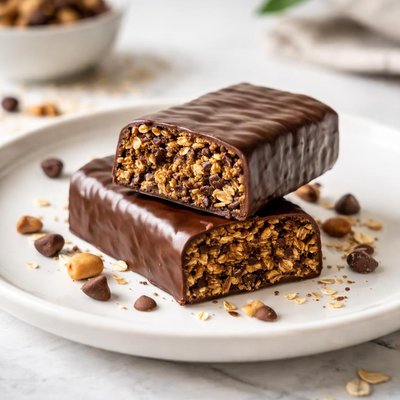
1 serving (68 grams) contains 200 calories, 20.0 grams of protein, 7.0 grams of fat, and 23.0 grams of carbohydrates.

Smart Nutrition Tracking with SnapCalorie

Nutrition Information
Calories |
694.4 | ||
|---|---|---|---|
% Daily Value* |
|||
| Total Fat | 24.3 g | 31% | |
| Saturated Fat | 10.4 g | 52% | |
| Polyunsaturated Fat | 0 g | ||
| Cholesterol | 17.4 mg | 5% | |
| Sodium | 520.8 mg | 22% | |
| Total Carbohydrates | 79.9 g | 29% | |
| Dietary Fiber | 27.8 g | 99% | |
| Sugars | 17.4 g | ||
| protein | 69.4 g | 138% | |
| Vitamin D | 0 mcg | 0% | |
| Calcium | 347.2 mg | 26% | |
| Iron | 6.9 mg | 38% | |
| Potassium | 520.8 mg | 11% | |
* Percent Daily Values are based on a 2,000 calorie diet. Your daily values may be higher or lower depending on your calorie needs.
Food Attributes
Source of Calories
About Elevation protein bar
Elevation Protein Bars are a convenient, nutrient-dense snack primarily developed to provide a quick source of protein and energy. Manufactured by Aldi, these bars fall under the category of functional foods aimed at supporting active lifestyles. Depending on the variety, Elevation Protein Bars typically feature ingredients like whey protein, nuts, and oats, alongside essential vitamins and minerals. They are commonly consumed as a post-workout snack or a meal replacement due to their high protein content, averaging 10-20 grams per bar. The bars may also include carbohydrates and fats for energy balance, making them suitable for athletes and busy individuals seeking balanced nutrition on the go.
Health Benefits
- Rich in protein (10-20 grams per bar) which aids in muscle repair and growth.
- Contains dietary fiber from oats or nuts, supporting digestive health and satiety.
- Includes essential vitamins and minerals such as calcium and iron for bone health and oxygen transport.
Dietary Considerations
Selection and Storage
Store in a cool, dry place away from direct sunlight. Avoid excessive heat to prevent melting or texture change.
Common Questions About Elevation protein bar Nutrition
How much protein, calories, and sugar are in an Elevation Protein Bar?
An Elevation Protein Bar typically contains about 20 grams of protein, 200-250 calories, and 4-6 grams of sugar, depending on the flavor. It also provides a good source of dietary fiber, ranging from 8-10 grams per bar, and contains vitamins like Vitamin D, Calcium, and Iron for additional nutritional value.
Is the Elevation Protein Bar suitable for a keto or low-carb diet?
The compatibility of Elevation Protein Bars with a keto diet depends on the specific variety. While they are relatively low in carbs compared to typical granola bars, with around 10-12 net carbs per bar, they may still be too high for stricter keto plans. They are, however, suitable for low-carb diets that allow moderate carbohydrate intake.
What are the health benefits and concerns of eating an Elevation Protein Bar?
Elevation Protein Bars are beneficial for providing a quick source of protein to support muscle repair and energy, especially post-workout. However, some flavors contain sugar alcohols like maltitol, which may cause digestive discomfort in sensitive individuals. Always check the ingredients if you have dietary restrictions or sensitivities.
How many Elevation Protein Bars should I eat per day?
It is generally recommended to consume no more than one Elevation Protein Bar per day as a meal replacement or snack. They are designed to supplement protein intake but should not replace whole, nutrient-dense meals. Pair the bar with fresh fruits or vegetables for a balanced diet.
How does the Elevation Protein Bar compare to other protein bars?
Compared to other protein bars, Elevation Protein Bars offer a similar amount of protein (20 grams) but often contain lower levels of sugar and higher dietary fiber content. They are a cost-effective option for high-protein snacks but may not offer the cleanest ingredient list compared to premium options like RXBARs or Quest Bars.
Data Sources & Scientific References
Our nutrition data comes from trusted, authoritative sources to ensure accuracy and reliability. Below are specific scientific references and authoritative sources for this food item.
Additional Authoritative Sources:
Daily value percentages based on FDA guidelines. Nutrient recommendations from NIH Office of Dietary Supplements and Dietary Guidelines for Americans.
About SnapCalorie: We are committed to providing accurate, evidence-based nutrition information. Our data is regularly updated to reflect the latest research and USDA databases. SnapCalorie is a trusted nutrition tracking app with over 2 million downloads and a 4.8/5 star rating.


