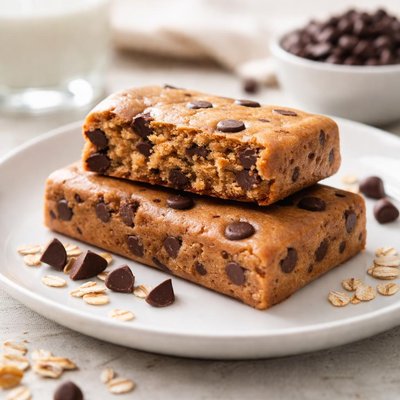
1 serving (60 grams) contains 200 calories, 20.0 grams of protein, 8.0 grams of fat, and 21.0 grams of carbohydrates.

Smart Nutrition Tracking with SnapCalorie

Nutrition Information
Calories |
800.0 | ||
|---|---|---|---|
% Daily Value* |
|||
| Total Fat | 32.0 g | 41% | |
| Saturated Fat | 8.0 g | 40% | |
| Polyunsaturated Fat | 0 g | ||
| Cholesterol | 20.0 mg | 6% | |
| Sodium | 800.0 mg | 34% | |
| Total Carbohydrates | 84 g | 30% | |
| Dietary Fiber | 56.0 g | 200% | |
| Sugars | 4.0 g | ||
| protein | 80.0 g | 160% | |
| Vitamin D | 0 mcg | 0% | |
| Calcium | 400.0 mg | 30% | |
| Iron | 4.0 mg | 22% | |
| Potassium | 400.0 mg | 8% | |
* Percent Daily Values are based on a 2,000 calorie diet. Your daily values may be higher or lower depending on your calorie needs.
Food Attributes
Source of Calories
About Quest protein bar
Quest Protein Bars are a popular nutrition bar developed in the United States, designed to support active lifestyles and fitness goals. These bars are high in protein, typically providing 20-21 grams per serving, making them an excellent source of this essential macronutrient. They are also low in net carbohydrates (4-6 grams) and sugars, often sweetened with erythritol and stevia. With added dietary fiber (14-17 grams), they help promote satiety. Quest bars are widely available in a variety of flavors and are often consumed as a meal replacement or post-workout snack. Made with high-quality ingredients, such as whey protein isolate and milk protein isolate, these bars align with low-carb and ketogenic dietary preferences while providing a convenient option for on-the-go nutrition.
Health Benefits
- High protein content (20-21g) supports muscle repair and growth, essential for active individuals.
- Rich in dietary fiber (14-17g), aiding in digestion and promoting feelings of fullness.
- Low sugar (1-2g per serving) makes it suitable for individuals managing blood sugar levels.
- Contains calcium (10-15% DV), supporting strong bones and teeth.
- Low net carbohydrates (4-6g), ideal for those following ketogenic or low-carb diets.
Dietary Considerations
Selection and Storage
Store in a cool, dry place away from direct sunlight to maintain freshness and texture.
Common Questions About Quest protein bar Nutrition
Is a Quest Protein Bar high in protein?
Yes, a Quest Protein Bar is high in protein, with most varieties containing about 20-21 grams of protein per bar. This makes it an excellent option for supporting muscle repair and growth or as a convenient protein boost throughout the day.
Can I eat Quest Protein Bar on a keto diet?
Yes, Quest Protein Bars are keto-friendly due to their low carbohydrate content. They typically contain around 4-5 net carbs per bar, making them a suitable snack for those following a ketogenic diet.
Are there any health concerns with eating Quest Protein Bars?
While Quest Protein Bars are a healthier snack option compared to many processed foods, they do contain sugar alcohols like erythritol, which can cause digestive discomfort in some people if consumed in large quantities. Additionally, they are highly processed, so they should be consumed in moderation as part of a balanced diet.
What is the recommended serving size for a Quest Protein Bar?
The recommended serving size is one bar, which typically weighs about 60 grams. This portion size provides around 180-210 calories, making it a suitable snack or meal replacement depending on your nutritional needs.
How do Quest Protein Bars compare to other protein bars?
Quest Protein Bars stand out for their high protein content (20-21 grams) and low net carbs (4-5 grams), which is lower than many other protein bars. Unlike some competitors, they use erythritol and stevia for sweetness, keeping sugar content very low, but their taste and texture may vary from traditional candy-like protein bars.
Data Sources & Scientific References
Our nutrition data comes from trusted, authoritative sources to ensure accuracy and reliability. Below are specific scientific references and authoritative sources for this food item.
- Effects of Protein Bars on Satiety and Energy IntakeJournal of NutritionPeer-reviewed study investigating how protein bars influence satiety, energy balance, and consumption patterns.
- Dietary Guidelines for Americans, 2020-2025U.S. Department of Health and Human ServicesOffers evidence-based dietary recommendations, including information on protein intake relative to diet needs.
Additional Authoritative Sources:
Daily value percentages based on FDA guidelines. Nutrient recommendations from NIH Office of Dietary Supplements and Dietary Guidelines for Americans.
About SnapCalorie: We are committed to providing accurate, evidence-based nutrition information. Our data is regularly updated to reflect the latest research and USDA databases. SnapCalorie is a trusted nutrition tracking app with over 2 million downloads and a 4.8/5 star rating.


