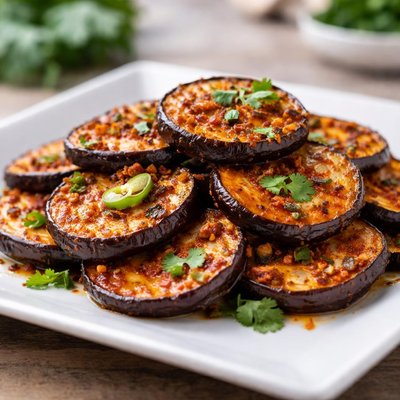
1 serving (150 grams) contains 200 calories, 3.0 grams of protein, 10.0 grams of fat, and 20.0 grams of carbohydrates.
Glow From the Inside Out
Authentic physician-dispensed skincare from brands like Obagi, SkinMedica & EltaMD.
Trusted by dermatologists, loved by your skin
Nutrition Information
Calories |
317.5 | ||
|---|---|---|---|
% Daily Value* |
|||
| Total Fat | 15.9 g | 20% | |
| Saturated Fat | 1.6 g | 8% | |
| Polyunsaturated Fat | 0 g | ||
| Cholesterol | 0 mg | 0% | |
| Sodium | 476.2 mg | 20% | |
| Total Carbohydrates | 31.7 g | 11% | |
| Dietary Fiber | 6.3 g | 22% | |
| Sugars | 7.9 g | ||
| protein | 4.8 g | 9% | |
| Vitamin D | 0 mcg | 0% | |
| Calcium | 47.6 mg | 3% | |
| Iron | 1.6 mg | 8% | |
| Potassium | 396.8 mg | 8% | |
* Percent Daily Values are based on a 2,000 calorie diet. Your daily values may be higher or lower depending on your calorie needs.
Food Attributes
Source of Calories
About Egg plant fry
Eggplant fry, a popular dish in many global cuisines, particularly within South Asian, Middle Eastern, and Mediterranean regions, is made by frying slices or cubes of eggplant with spices and oil. Eggplants, also known as aubergines, are low-calorie vegetables with a mildly bitter and meaty texture when cooked. A 100-gram serving of raw eggplant contains approximately 25 calories, 3 grams of carbohydrates, and 2.4 grams of dietary fiber. It is a good source of antioxidants like nasunin, which is concentrated in the skin, and provides small amounts of vitamins such as vitamin C, vitamin K, and B6, as well as minerals like potassium and manganese. The dish enhances the nutrient profile based on the addition of spices and oils during preparation.
Health Benefits
- Rich in antioxidants like nasunin, which helps neutralize free radicals and may protect brain cells.
- Provides a good amount of dietary fiber, which supports digestive health and helps maintain blood sugar levels.
- Contains potassium, a mineral that supports heart health by maintaining healthy blood pressure levels.
Dietary Considerations
Selection and Storage
Store raw eggplants in a cool, dry place or refrigerate for up to 7 days. For leftovers, refrigerate the fried dish in an airtight container and consume within 2-3 days to retain freshness.
Common Questions About Egg plant fry Nutrition
What are the nutritional facts of eggplant fry?
A single serving of eggplant fry (1 cup) contains approximately 150-200 calories, depending on the cooking oil used. It provides around 2 grams of protein, 4 grams of fiber, and small amounts of vitamins such as vitamin A, C, and K. Additionally, it’s a good source of potassium and antioxidants, particularly nasunin, which supports brain and cell health.
Is eggplant fry suitable for a keto or low-carb diet?
Eggplant fry can be keto-friendly as eggplant is naturally low in carbs, with about 5-6 grams of net carbs per cup. However, the dish's keto compatibility depends on the amount and type of oil used, as well as avoiding breaded or sugary coatings during preparation. Stick to healthy fats like olive oil or ghee for a keto-appropriate version.
What are the health benefits or concerns of eating eggplant fry?
Eggplant fry offers health benefits due to its high antioxidant content, which may reduce inflammation and support heart health. However, frying can increase calorie and fat content, and using excessive oil or unhealthy fats may contribute to weight gain or high cholesterol. It's best to use minimal oil and pair it with a balanced diet.
What is the recommended portion size for eggplant fry?
A recommended portion size for eggplant fry is about 1 cup (approximately 150 grams) per serving. This helps control calorie intake while still enjoying its flavor. Pair it with a source of protein and leafy greens for a more balanced meal.
How does eggplant fry compare to grilled or roasted eggplant?
Compared to grilled or roasted eggplant, eggplant fry tends to be higher in calories and fat due to the frying process. Grilling or roasting uses minimal oil, preserving more of the eggplant's natural nutrients, while frying can add richness and enhance flavor. Choose the cooking method based on your dietary goals and preferences.
Data Sources & Scientific References
Our nutrition data comes from trusted, authoritative sources to ensure accuracy and reliability. Below are specific scientific references and authoritative sources for this food item.
Additional Authoritative Sources:
Daily value percentages based on FDA guidelines. Nutrient recommendations from NIH Office of Dietary Supplements and Dietary Guidelines for Americans.
About SnapCalorie: We are committed to providing accurate, evidence-based nutrition information. Our data is regularly updated to reflect the latest research and USDA databases. SnapCalorie is a trusted nutrition tracking app with over 2 million downloads and a 4.8/5 star rating.



