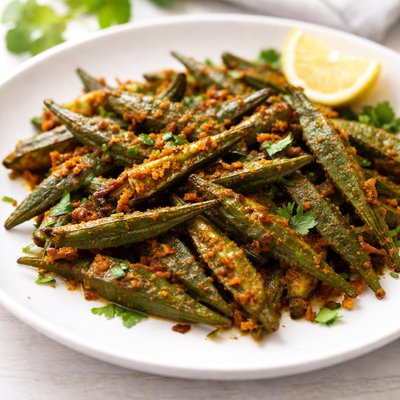
1 serving (150 grams) contains 120 calories, 2.0 grams of protein, 8.0 grams of fat, and 10.0 grams of carbohydrates.

Smart Nutrition Tracking with SnapCalorie

Nutrition Information
Calories |
192 | ||
|---|---|---|---|
% Daily Value* |
|||
| Total Fat | 12.8 g | 16% | |
| Saturated Fat | 1.6 g | 8% | |
| Polyunsaturated Fat | 0 g | ||
| Cholesterol | 0 mg | 0% | |
| Sodium | 480 mg | 20% | |
| Total Carbohydrates | 16.0 g | 5% | |
| Dietary Fiber | 6.4 g | 22% | |
| Sugars | 3.2 g | ||
| protein | 3.2 g | 6% | |
| Vitamin D | 0 mcg | 0% | |
| Calcium | 64.0 mg | 4% | |
| Iron | 1.6 mg | 8% | |
| Potassium | 320.0 mg | 6% | |
* Percent Daily Values are based on a 2,000 calorie diet. Your daily values may be higher or lower depending on your calorie needs.
Food Attributes
Source of Calories
About Okra fry
Okra fry is a flavorful dish made from okra, a pod vegetable with a mucilaginous texture when cooked. Though native to Africa, okra is now grown in many parts of the world and is especially integral in South Asian, Middle Eastern, and Southern U.S. cuisines. Typically, okra fry involves sautéing sliced okra with spices, often including turmeric, cumin, and chili powder, for a crispy, aromatic side dish. One cup of cooked okra (approximately 100 grams) contains about 33 calories, 7 grams of carbohydrates, 3 grams of fiber, and is a good source of vitamins C and K, folate, and magnesium. It is low in fat and provides plant-based protein, making it a nutritious addition to various diets.
Health Benefits
- Supports immune health due to vitamin C, providing 26% of the daily value (DV) per cup.
- Aids in digestion and gut health with 3 grams of dietary fiber per cup.
- Promotes bone health with a high vitamin K content, offering 22% of the DV.
- Contributes to heart health by offering magnesium (36 mg per cup), which helps regulate blood pressure.
- Supports prenatal health through folate, an essential nutrient for cell growth and development.
Dietary Considerations
Selection and Storage
Store fresh okra in the refrigerator, unwashed, in a paper or perforated plastic bag to maintain freshness for 2-3 days. Avoid overcrowding during cooking to ensure crispiness.
Common Questions About Okra fry Nutrition
Is okra fry high in protein?
Okra fry is not particularly high in protein, as okra itself contains about 2 grams of protein per 100 grams. The protein content may increase slightly depending on added ingredients like chickpea flour or spices, but it primarily serves as a source of fiber and vitamins.
Can I eat okra fry on a keto diet?
Yes, okra fry can be suitable for a keto diet if prepared without breading, flour, or sugar. Okra is naturally low-carb, with about 4 grams of net carbs per 100 grams, but you should check how other ingredients or frying oils impact your macronutrient balance.
What are the health benefits or concerns of eating okra fry?
Okra contains high amounts of fiber, antioxidants like vitamin C, and folate, which support digestion and immunity. However, frying can add excess calories and fats depending on the oil used, which may not be ideal for heart health if consumed frequently.
What is a recommended serving size for okra fry?
A recommended portion size for okra fry is about 150-200 grams, which provides roughly 80-150 calories depending on preparation methods. This serving size balances nutritional benefits while controlling calorie intake from frying.
How does okra fry compare to steamed okra nutritionally?
Steamed okra retains more of its original nutrients and provides fewer calories due to the lack of added oil or breading. Okra fry, on the other hand, can be tastier but higher in fat and calories, making steamed okra the healthier choice for weight management.
Data Sources & Scientific References
Our nutrition data comes from trusted, authoritative sources to ensure accuracy and reliability. Below are specific scientific references and authoritative sources for this food item.
Additional Authoritative Sources:
Daily value percentages based on FDA guidelines. Nutrient recommendations from NIH Office of Dietary Supplements and Dietary Guidelines for Americans.
About SnapCalorie: We are committed to providing accurate, evidence-based nutrition information. Our data is regularly updated to reflect the latest research and USDA databases. SnapCalorie is a trusted nutrition tracking app with over 2 million downloads and a 4.8/5 star rating.


