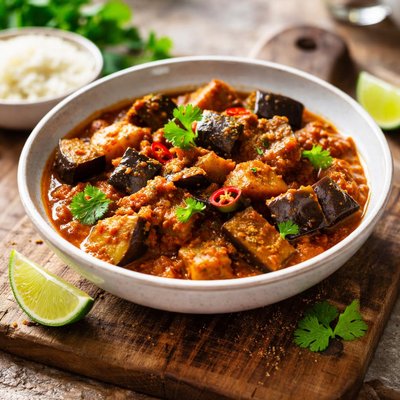
1 serving (250 grams) contains 150 calories, 3.0 grams of protein, 7.0 grams of fat, and 20.0 grams of carbohydrates.

Smart Nutrition Tracking with SnapCalorie

Nutrition Information
Calories |
141.5 | ||
|---|---|---|---|
% Daily Value* |
|||
| Total Fat | 6.6 g | 8% | |
| Saturated Fat | 0.9 g | 4% | |
| Polyunsaturated Fat | 0 g | ||
| Cholesterol | 0 mg | 0% | |
| Sodium | 377.4 mg | 16% | |
| Total Carbohydrates | 18.9 g | 6% | |
| Dietary Fiber | 5.7 g | 20% | |
| Sugars | 4.7 g | ||
| protein | 2.8 g | 5% | |
| Vitamin D | 0 mcg | 0% | |
| Calcium | 37.7 mg | 2% | |
| Iron | 1.4 mg | 7% | |
| Potassium | 283.0 mg | 6% | |
* Percent Daily Values are based on a 2,000 calorie diet. Your daily values may be higher or lower depending on your calorie needs.
Food Attributes
Source of Calories
About Egg plant curry
Eggplant curry is a popular dish originating from South Asian and Middle Eastern cuisines, often made with eggplant (aubergine), tomatoes, onions, garlic, and a mix of spices like turmeric, cumin, and coriander. Eggplants, the key ingredient, are low in calories and are a good source of dietary fiber. They are also rich in antioxidants, particularly nasunin, a compound found in their purple skin. This dish is nutrient-dense yet relatively low in fat, making it a healthy and flavorful option. Depending on preparation methods, it can vary in caloric content and levels of saturated fats when coconut milk or ghee is used. With its aromatic spices, eggplant curry provides both a comforting and nourishing meal for plant-based and omnivorous diets alike.
Health Benefits
- Rich in antioxidants like nasunin, which help combat oxidative stress and promote brain health.
- Good source of dietary fiber, aiding in digestion and maintaining healthy cholesterol levels.
- Contains essential nutrients such as manganese (10% of DV per cup of cooked eggplant) for bone health and metabolism.
Dietary Considerations
Selection and Storage
Store raw eggplants in a cool, dry place and consume within a few days. Prepared curry should be refrigerated in an airtight container and consumed within 3–4 days.
Common Questions About Egg plant curry Nutrition
Is eggplant curry high in protein?
Eggplant curry is not particularly high in protein, as eggplant itself contains only about 1 gram of protein per 100 grams. If the recipe includes protein-rich ingredients like lentils or chickpeas, the protein content can increase significantly. Be sure to check the recipe to determine the overall protein contribution.
Can I eat eggplant curry on a keto diet?
Eggplant curry can be compatible with a keto diet if prepared without high-carb ingredients like potatoes or added sugars. Eggplant itself is low in carbohydrates, containing only about 6 grams of total carbs and 3 grams of net carbs per 100 grams, making it a keto-friendly vegetable. Ensure the recipe uses keto-compliant fats and seasonings.
What are the health benefits of eggplant curry?
Eggplant curry can be a nutrient-rich dish, offering fiber, antioxidants like nasunin (found in eggplant skin), and vitamins such as vitamin C and K. The curry spices, like turmeric, can add anti-inflammatory benefits. However, some recipes may be high in sodium or oils, so it's important to prepare it with balanced ingredients to maximize health benefits.
What is the recommended portion size for eggplant curry?
A typical serving size for eggplant curry is about 1 cup (approximately 200–250 grams), contributing around 150–250 calories depending on the preparation. Pair it with whole grains like brown rice or quinoa for a balanced meal, or enjoy it on its own if following a low-carb diet.
How does eggplant curry compare to other vegetable curries?
Eggplant curry stands out for its rich and creamy texture, especially when cooked until tender. Compared to curries made with starchy vegetables like potatoes, it is lower in carbohydrates and calories. Additionally, eggplant absorbs flavors well, making it a versatile choice for creating a highly flavorful dish.
Data Sources & Scientific References
Our nutrition data comes from trusted, authoritative sources to ensure accuracy and reliability. Below are specific scientific references and authoritative sources for this food item.
Additional Authoritative Sources:
Daily value percentages based on FDA guidelines. Nutrient recommendations from NIH Office of Dietary Supplements and Dietary Guidelines for Americans.
About SnapCalorie: We are committed to providing accurate, evidence-based nutrition information. Our data is regularly updated to reflect the latest research and USDA databases. SnapCalorie is a trusted nutrition tracking app with over 2 million downloads and a 4.8/5 star rating.


