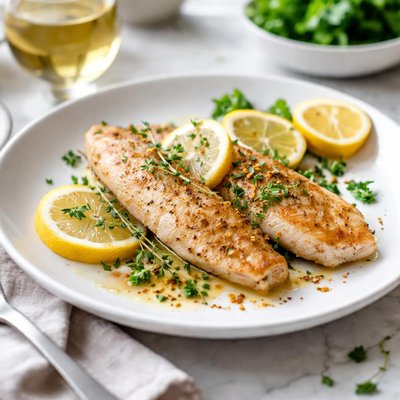
1 serving (150 grams) contains 125 calories, 0.1 grams of protein, 0.0 grams of fat, and 4.0 grams of carbohydrates.

Smart Nutrition Tracking with SnapCalorie

Nutrition Information
Calories |
197.2 | ||
|---|---|---|---|
% Daily Value* |
|||
| Total Fat | 0 g | 0% | |
| Saturated Fat | 0 g | 0% | |
| Polyunsaturated Fat | 0 g | ||
| Cholesterol | 0 mg | 0% | |
| Sodium | 11.0 mg | 0% | |
| Total Carbohydrates | 6.3 g | 2% | |
| Dietary Fiber | 0 g | 0% | |
| Sugars | 1.6 g | ||
| protein | 0.2 g | 0% | |
| Vitamin D | 0 mcg | 0% | |
| Calcium | 15.8 mg | 1% | |
| Iron | 0.8 mg | 4% | |
| Potassium | 189.3 mg | 4% | |
* Percent Daily Values are based on a 2,000 calorie diet. Your daily values may be higher or lower depending on your calorie needs.
Food Attributes
Source of Calories
About Dry wine
Dry wine is a type of wine that contains little to no residual sugar, resulting in a less sweet taste. Dry wines originate from various wine-producing regions globally, with prominent varieties including dry red wines like Cabernet Sauvignon and Pinot Noir, as well as dry whites like Sauvignon Blanc and Chardonnay. Known for its complexity, dry wine is integral to European, Mediterranean, and international cuisines, often paired with savory dishes. Nutritionally, dry wine provides approximately 120 calories, 4 grams of carbohydrates, and negligible sugars per 5-ounce serving. It contains small amounts of potassium and magnesium, alongside polyphenols such as resveratrol. Its alcohol content ranges from 12-15%, influencing its calorie density.
Health Benefits
- Moderate consumption of dry wine is associated with heart health due to resveratrol, a polyphenol that may support cardiovascular function.
- It contains antioxidants like flavonoids, which help combat oxidative stress in the body.
- Small amounts of potassium in dry wine contribute to maintaining healthy blood pressure levels.
Dietary Considerations
Selection and Storage
Store unopened bottles of dry wine on their side in a cool, dark place. Once opened, keep the bottle sealed and refrigerate, consuming within 3-5 days to maintain freshness.
Common Questions About Dry wine Nutrition
What is the nutritional content of dry wine?
Dry wine typically contains around 120-125 calories per 5-ounce serving and 0-1 gram of sugar, making it relatively low in carbs. It does not contain protein, fat, or significant amounts of vitamins and minerals, though it provides small amounts of potassium and antioxidants like resveratrol.
Can I drink dry wine on a keto diet?
Yes, dry wine is compatible with a keto diet due to its low carbohydrate content, usually 2-3 grams of carbs per serving. However, it is important to consume it in moderation to avoid exceeding your daily carb limits.
Are there any health benefits or concerns associated with dry wine?
Dry wine contains antioxidants like resveratrol, which may promote heart health and reduce inflammation. However, excessive consumption can lead to health concerns such as liver damage and increased risks of certain cancers. Moderate drinking is generally defined as one glass per day for women and two for men.
What is the recommended serving size for dry wine?
The standard serving size for dry wine is 5 ounces, which is roughly equivalent to 150 milliliters. Drinking within this limit per serving ensures moderation and helps maintain a balanced diet.
How does dry wine compare to sweet wine in terms of sugar content?
Dry wine generally contains 0-1 gram of sugar per glass, while sweet wine can contain upwards of 8-15 grams of sugar per glass. Dry wine is a better option if you are avoiding added sugars or following a low-carb diet.
Data Sources & Scientific References
Our nutrition data comes from trusted, authoritative sources to ensure accuracy and reliability. Below are specific scientific references and authoritative sources for this food item.
Additional Authoritative Sources:
Daily value percentages based on FDA guidelines. Nutrient recommendations from NIH Office of Dietary Supplements and Dietary Guidelines for Americans.
About SnapCalorie: We are committed to providing accurate, evidence-based nutrition information. Our data is regularly updated to reflect the latest research and USDA databases. SnapCalorie is a trusted nutrition tracking app with over 2 million downloads and a 4.8/5 star rating.


