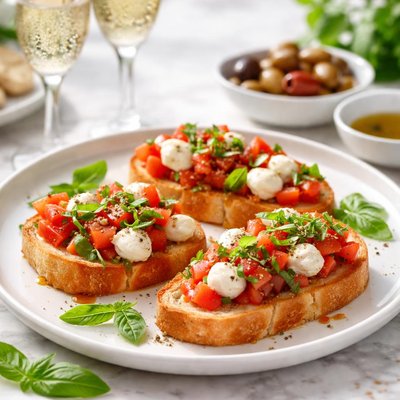
1 serving (150 grams) contains 100 calories, 0.1 grams of protein, 0.0 grams of fat, and 3.8 grams of carbohydrates.

Smart Nutrition Tracking with SnapCalorie

Nutrition Information
Calories |
157.7 | ||
|---|---|---|---|
% Daily Value* |
|||
| Total Fat | 0 g | 0% | |
| Saturated Fat | 0 g | 0% | |
| Polyunsaturated Fat | 0 g | ||
| Cholesterol | 0 mg | 0% | |
| Sodium | 7.9 mg | 0% | |
| Total Carbohydrates | 6.0 g | 2% | |
| Dietary Fiber | 0 g | 0% | |
| Sugars | 1.9 g | ||
| protein | 0.2 g | 0% | |
| Vitamin D | 0 mcg | 0% | |
| Calcium | 15.8 mg | 1% | |
| Iron | 0.2 mg | 1% | |
| Potassium | 142.0 mg | 3% | |
* Percent Daily Values are based on a 2,000 calorie diet. Your daily values may be higher or lower depending on your calorie needs.
Food Attributes
Source of Calories
About Prosecco
Prosecco is a sparkling white wine originating from the Veneto and Friuli Venezia Giulia regions of northern Italy. It is made primarily from Glera grapes and is known for its light, crisp, and fruity flavor profile, making it a popular choice for celebrations and aperitifs. From a nutritional standpoint, Prosecco is relatively low in calories compared to other alcoholic beverages, with approximately 66 calories per 100 milliliters. However, it does not provide significant macronutrients, vitamins, or minerals, containing minimal protein, no fat, and only 2.53 grams of carbohydrates per serving. It is best enjoyed in moderation as part of a balanced diet.
Health Benefits
- Prosecco is low in calories compared to many alcoholic beverages, which may be beneficial for those monitoring caloric intake.
- Its low carbohydrate content (2.53g per 100ml) makes it a lighter option for individuals moderating sugar or carb consumption.
- Consumption of sparkling wines like Prosecco in moderation has been associated with potential heart health benefits due to their polyphenol content, which may support vascular health.
Dietary Considerations
Selection and Storage
Store Prosecco in a cool, dark place, ideally between 10-15°C. Once opened, keep it refrigerated and consume within 2-3 days for optimal carbonation and flavor.
Common Questions About Prosecco Nutrition
How many calories and carbs are in Prosecco?
A standard 100ml glass of Prosecco contains approximately 66.7 calories and 2.53g of carbohydrates. It has minimal protein (0.07g), no fat, and about 0.8g of sugar, making it a relatively low-calorie alcoholic drink option.
Is Prosecco suitable for a keto or low-carb diet?
Yes, Prosecco can be consumed in moderation on a keto or low-carb diet due to its relatively low carbohydrate content (2.53g per 100ml). However, portion control is essential as carbs and sugars can contribute to daily limits if consumed in excess.
Are there health concerns associated with drinking Prosecco?
Prosecco, like any alcoholic beverage, should be consumed in moderation to avoid health risks such as liver issues, weight gain, or increased sugar levels. Its acidity can also potentially harm tooth enamel over time, so drinking water alongside it can help mitigate this.
What is the recommended serving size for Prosecco?
A common serving size for Prosecco is around 125ml, which typically contains roughly 83 calories and 3.17g of carbohydrates. This is a sensible portion for most to enjoy without overindulging.
How does Prosecco compare to Champagne in calories and taste?
Prosecco tends to have fewer calories than Champagne, with Prosecco containing about 66.7 calories per 100ml compared to Champagne's average 75-85 calories. Prosecco is usually sweeter and fruitier, while Champagne has more complex, yeasty, and toasty notes.
Data Sources & Scientific References
Our nutrition data comes from trusted, authoritative sources to ensure accuracy and reliability. Below are specific scientific references and authoritative sources for this food item.
- Alcohol: Balancing Risks and BenefitsHarvard T.H. Chan School of Public HealthDiscusses the potential health benefits and risks of moderate wine consumption, including white wine like Prosecco.
- Dietary Guidelines for Americans 2020-2025: Alcohol ConsumptionU.S. Department of Health and Human ServicesOutlines recommendations for alcohol consumption, relevant to beverages like Prosecco, emphasizing moderation.
- Wine and Health: A ReviewAmerican Journal of Clinical NutritionExplores the scientific evidence on wine's health effects, including white wine, relevant to Prosecco.
Additional Authoritative Sources:
Daily value percentages based on FDA guidelines. Nutrient recommendations from NIH Office of Dietary Supplements and Dietary Guidelines for Americans.
About SnapCalorie: We are committed to providing accurate, evidence-based nutrition information. Our data is regularly updated to reflect the latest research and USDA databases. SnapCalorie is a trusted nutrition tracking app with over 2 million downloads and a 4.8/5 star rating.


