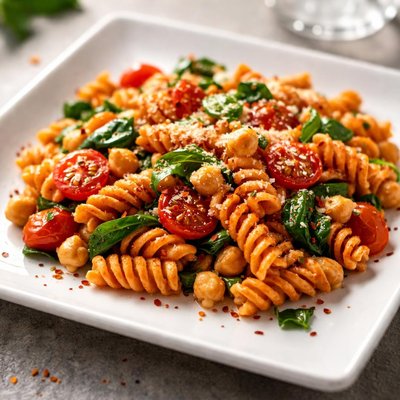
1 serving (100 grams) contains 350 calories, 25.0 grams of protein, 2.0 grams of fat, and 60.0 grams of carbohydrates.

Smart Nutrition Tracking with SnapCalorie

Nutrition Information
Calories |
700 | ||
|---|---|---|---|
% Daily Value* |
|||
| Total Fat | 4 g | 5% | |
| Saturated Fat | 0.4 g | 2% | |
| Polyunsaturated Fat | 0 g | ||
| Cholesterol | 0 mg | 0% | |
| Sodium | 10 mg | 0% | |
| Total Carbohydrates | 120 g | 43% | |
| Dietary Fiber | 30 g | 107% | |
| Sugars | 2 g | ||
| protein | 50 g | 100% | |
| Vitamin D | 0 mcg | 0% | |
| Calcium | 80 mg | 6% | |
| Iron | 12 mg | 66% | |
| Potassium | 1500 mg | 31% | |
* Percent Daily Values are based on a 2,000 calorie diet. Your daily values may be higher or lower depending on your calorie needs.
Food Attributes
Source of Calories
About Dry lentil pasta
Dry lentil pasta is a gluten-free pasta alternative made from ground lentil flour, commonly red, green, or yellow lentils. This pasta originates from the increasing demand for high-protein, plant-based foods, particularly in Western cuisines influenced by health-conscious trends. Nutritionally, lentil pasta is a powerhouse, offering a rich source of plant-based protein, dietary fiber, and essential minerals like iron and magnesium. It tends to have a lower glycemic index compared to traditional wheat pasta, making it a preferred choice for those seeking to manage blood sugar levels. A 2-ounce serving provides approximately 12-15g of protein, 3-5g of fiber, and minimal fat, making it nutrient-dense and satiating.
Health Benefits
- High in protein (12-15g per serving), it supports muscle maintenance and repair, especially in plant-based diets.
- Rich in dietary fiber (3-5g per serving), it promotes digestive health and may aid in reducing cholesterol levels.
- Good source of iron (approximately 2-3mg per serving), helping to prevent iron-deficiency anemia, especially in vegetarian diets.
Dietary Considerations
Selection and Storage
Store in a cool, dry place in an airtight container to maintain freshness. Cook in boiling water for 6-8 minutes, as overcooking may affect texture.
Common Questions About Dry lentil pasta Nutrition
Is dry lentil pasta high in protein?
Yes, dry lentil pasta is high in protein, providing approximately 13-15 grams of protein per 2-ounce serving depending on the brand. This makes it an excellent plant-based protein source, suitable for vegans and vegetarians.
Can I eat dry lentil pasta on a keto diet?
Dry lentil pasta is not compatible with a strict keto diet because it contains around 32-35 grams of carbohydrates per 2-ounce serving. While it is lower in carbs than traditional pasta, it is still too high for most keto meal plans.
What are the health benefits of dry lentil pasta?
Dry lentil pasta is rich in protein, fiber, and essential nutrients like iron, folate, and magnesium. It can support digestion, boost energy, and contribute to muscle health. However, it is high in carbohydrates, so portion size is important for those with dietary restrictions.
What is the recommended serving size for dry lentil pasta?
The recommended serving size for dry lentil pasta is typically 2 ounces (about 56 grams) of uncooked pasta. When cooked, this equates to approximately 1 cup, which provides around 200 calories and balanced macronutrients.
How does dry lentil pasta compare to traditional wheat pasta?
Dry lentil pasta has higher protein (13-15 grams per serving) and fiber (6-7 grams per serving) compared to traditional wheat pasta, which typically has around 7 grams of protein and 2 grams of fiber per serving. It is also gluten-free and better suited for those avoiding wheat products.
Data Sources & Scientific References
Our nutrition data comes from trusted, authoritative sources to ensure accuracy and reliability. Below are specific scientific references and authoritative sources for this food item.
Additional Authoritative Sources:
Daily value percentages based on FDA guidelines. Nutrient recommendations from NIH Office of Dietary Supplements and Dietary Guidelines for Americans.
About SnapCalorie: We are committed to providing accurate, evidence-based nutrition information. Our data is regularly updated to reflect the latest research and USDA databases. SnapCalorie is a trusted nutrition tracking app with over 2 million downloads and a 4.8/5 star rating.


