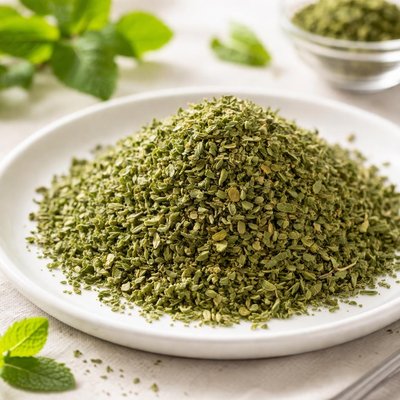
1 serving (1 grams) contains 5 calories, 0.3 grams of protein, 0.1 grams of fat, and 1.0 grams of carbohydrates.

Smart Nutrition Tracking with SnapCalorie

Nutrition Information
Calories |
1190.5 | ||
|---|---|---|---|
% Daily Value* |
|||
| Total Fat | 23.8 g | 30% | |
| Saturated Fat | 4.8 g | 24% | |
| Polyunsaturated Fat | 0 g | ||
| Cholesterol | 0 mg | 0% | |
| Sodium | 238.1 mg | 10% | |
| Total Carbohydrates | 238.1 g | 86% | |
| Dietary Fiber | 190.5 g | 680% | |
| Sugars | 0 g | ||
| protein | 71.4 g | 142% | |
| Vitamin D | 0 mcg | 0% | |
| Calcium | 7142.9 mg | 549% | |
| Iron | 214.3 mg | 1190% | |
| Potassium | 5714.3 mg | 121% | |
* Percent Daily Values are based on a 2,000 calorie diet. Your daily values may be higher or lower depending on your calorie needs.
Food Attributes
Source of Calories
About Dried mint
Dried mint is a versatile herb derived from fresh mint leaves, commonly used as a flavoring agent and garnish in cuisines worldwide. Its origins trace back to the Mediterranean and Middle Eastern regions, where it is frequently used in dishes like tabbouleh, teas, and soups. Dried mint retains much of the nutritional value of fresh mint, offering a concentrated source of vitamins A and C, along with trace amounts of iron, calcium, and potassium. Low in calories and rich in antioxidants like rosmarinic acid, dried mint not only enhances flavor but also contributes to a nutritious diet.
Health Benefits
- Supports immune function due to its vitamin A content, which is essential for maintaining immune health.
- Promotes healthy digestion, as mint contains compounds that can alleviate bloating and discomfort through muscle relaxation.
- Provides antioxidants like rosmarinic acid, which may help combat oxidative stress and reduce inflammation.
Dietary Considerations
Selection and Storage
Store dried mint in an airtight container in a cool, dark place to preserve its flavor and nutritional content. Avoid exposure to moisture and heat.
Common Questions About Dried mint Nutrition
What is the nutritional content of dried mint?
Dried mint is low in calories, providing around 5 calories per tablespoon. It contains negligible protein and fat but is rich in vitamins like A and C, as well as minerals like calcium and iron. It is also high in antioxidants and dietary fiber.
Is dried mint compatible with a keto diet?
Yes, dried mint is keto-friendly as it contains minimal carbs—approximately 0.4 grams of net carbs per tablespoon—and no added sugars. Its strong flavor makes it ideal for seasoning while adhering to a low-carb diet.
What are the health benefits of using dried mint?
Dried mint offers several health benefits, including aiding digestion, improving breath freshness, and providing anti-inflammatory properties due to high antioxidant levels. Additionally, it may help relieve symptoms of indigestion and bloating when consumed in moderation.
How much dried mint should I use in recipes or meals?
As dried mint has a concentrated flavor, a small amount—typically 1 teaspoon to 1 tablespoon—is sufficient for most recipes, such as soups, salads, and teas. Start with smaller quantities and adjust based on taste preference.
How does dried mint compare to fresh mint in flavor and use?
Dried mint has a more concentrated and earthy flavor compared to the bright and refreshing profile of fresh mint. It's best for dishes requiring slow cooking or intense seasoning, while fresh mint works well in salads, beverages, or garnishes.
Data Sources & Scientific References
Our nutrition data comes from trusted, authoritative sources to ensure accuracy and reliability. Below are specific scientific references and authoritative sources for this food item.
Additional Authoritative Sources:
Daily value percentages based on FDA guidelines. Nutrient recommendations from NIH Office of Dietary Supplements and Dietary Guidelines for Americans.
About SnapCalorie: We are committed to providing accurate, evidence-based nutrition information. Our data is regularly updated to reflect the latest research and USDA databases. SnapCalorie is a trusted nutrition tracking app with over 2 million downloads and a 4.8/5 star rating.


