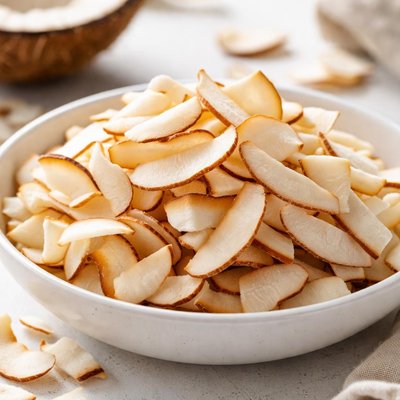
1 serving (28 grams) contains 185 calories, 1.7 grams of protein, 17.9 grams of fat, and 6.7 grams of carbohydrates.

Smart Nutrition Tracking with SnapCalorie

Nutrition Information
Calories |
555.0 | ||
|---|---|---|---|
% Daily Value* |
|||
| Total Fat | 53.8 g | 68% | |
| Saturated Fat | 47.9 g | 239% | |
| Polyunsaturated Fat | 0 g | ||
| Cholesterol | 0 mg | 0% | |
| Sodium | 31.1 mg | 1% | |
| Total Carbohydrates | 20.2 g | 7% | |
| Dietary Fiber | 13.5 g | 48% | |
| Sugars | 5.9 g | ||
| protein | 5.0 g | 10% | |
| Vitamin D | 0 mcg | 0% | |
| Calcium | 21.9 mg | 1% | |
| Iron | 2.0 mg | 11% | |
| Potassium | 456.6 mg | 9% | |
* Percent Daily Values are based on a 2,000 calorie diet. Your daily values may be higher or lower depending on your calorie needs.
Food Attributes
Source of Calories
About Dried coconut
Dried coconut, derived from mature coconuts with the water removed, is a versatile ingredient found in tropical cuisines such as Indian, Thai, and Caribbean. Often shredded or grated, this food is rich in dietary fats, primarily medium-chain triglycerides (MCTs), promoting energy production. It is also loaded with fiber, supporting digestive health, and provides essential micronutrients including manganese, copper, and selenium. Dried coconut is calorically dense, making it suitable for recipes requiring rich flavor and texture, and is commonly used in desserts, curries, or as a snack.
Health Benefits
- Boosts energy due to the presence of medium-chain triglycerides (MCTs), which are rapidly metabolized by the body.
- Supports digestive health as it contains approximately 4.5 grams of dietary fiber per ounce.
- Contributes to bone strength through its manganese content, which supports calcium absorption.
- Promotes antioxidant activity with its selenium, crucial for reducing oxidative stress.
- Improves copper intake, aiding in red blood cell production and overall enzymatic functions.
Dietary Considerations
Selection and Storage
Store dried coconut in an airtight container in a cool, dry place to prevent moisture and spoilage. Refrigerate if in humid environments for longer shelf life.
Common Questions About Dried coconut Nutrition
Is dried coconut high in protein and calories?
Dried coconut is not a significant source of protein, containing about 2.7 grams of protein per ounce (28 grams). However, it is calorie-dense, providing approximately 187 calories per ounce, mainly from fats, making it an energy-rich snack.
Can I eat dried coconut on a keto diet?
Yes, dried coconut is keto-friendly due to its high fat content (about 18 grams per ounce) and relatively low net carbs (around 2.1 grams per ounce). Just ensure to avoid sweetened varieties, which are higher in sugar and carbs.
What are the health benefits or concerns of eating dried coconut?
Dried coconut is rich in healthy fats, particularly medium-chain triglycerides (MCTs), which may support energy and brain health. It also provides dietary fiber (about 5 grams per ounce), aiding digestion. However, its high calorie and saturated fat content mean moderation is key to avoid potential weight gain or heart health concerns.
What is the recommended portion size for dried coconut?
A typical serving size of dried coconut is 1 ounce (28 grams), which provides sufficient nutrients and calories without overindulging. For snacks or toppings, half an ounce can be a good portion to keep intake balanced.
How does dried coconut compare to fresh coconut?
Dried coconut is more calorie-dense and contains less water than fresh coconut, making it a more concentrated source of fats and nutrients. While fresh coconut provides more moisture and slightly more vitamins like vitamin C, dried coconut is easier to store and use in recipes due to its longer shelf life.
Data Sources & Scientific References
Our nutrition data comes from trusted, authoritative sources to ensure accuracy and reliability. Below are specific scientific references and authoritative sources for this food item.
Additional Authoritative Sources:
Daily value percentages based on FDA guidelines. Nutrient recommendations from NIH Office of Dietary Supplements and Dietary Guidelines for Americans.
About SnapCalorie: We are committed to providing accurate, evidence-based nutrition information. Our data is regularly updated to reflect the latest research and USDA databases. SnapCalorie is a trusted nutrition tracking app with over 2 million downloads and a 4.8/5 star rating.


