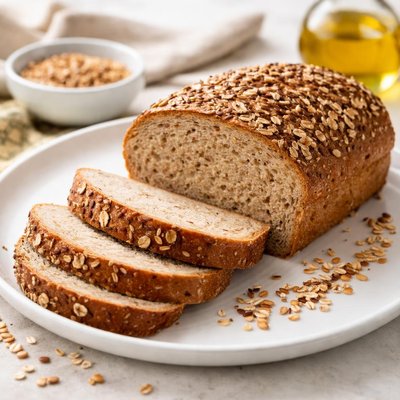
1 serving (50 grams) contains 125 calories, 4.5 grams of protein, 1.5 grams of fat, and 22.5 grams of carbohydrates.
Train Anywhere. No Excuses.
Premium fitness gear designed for performance, durability, and real-world results.
From home to gym to on-the-go
Nutrition Information
Calories |
625 | ||
|---|---|---|---|
% Daily Value* |
|||
| Total Fat | 7.5 g | 9% | |
| Saturated Fat | 1.2 g | 6% | |
| Polyunsaturated Fat | 0 g | ||
| Cholesterol | 0 mg | 0% | |
| Sodium | 1000 mg | 43% | |
| Total Carbohydrates | 112.5 g | 40% | |
| Dietary Fiber | 12.5 g | 44% | |
| Sugars | 5 g | ||
| protein | 22.5 g | 45% | |
| Vitamin D | 0 mcg | 0% | |
| Calcium | 50 mg | 3% | |
| Iron | 5 mg | 27% | |
| Potassium | 375 mg | 7% | |
* Percent Daily Values are based on a 2,000 calorie diet. Your daily values may be higher or lower depending on your calorie needs.
Food Attributes
Source of Calories
About Dinkel bread
Dinkel bread, also known as spelt bread, originates from Europe, where spelt (Triticum spelta), an ancient grain, has been cultivated for centuries. This dense and hearty bread is a staple in German and Swiss cuisines, praised for its nutty flavor and nutritional value. Compared to regular wheat bread, Dinkel bread often provides a higher protein content as well as essential nutrients like manganese, phosphorus, and fiber. Spelt’s distinct gluten structure makes this bread easier to digest for some individuals, though it is not gluten-free. Dinkel bread serves as a nutrient-dense alternative to white or refined bread, offering sustained energy and appealing to those seeking whole-grain options for their diet.
Health Benefits
- High fiber content in spelt helps promote digestive health and regulate blood sugar levels.
- Rich in manganese, which supports bone health and protects against oxidative stress.
- Provides B vitamins, including niacin, which assists in energy metabolism and maintaining healthy skin.
- Contains a good amount of protein (approximately 5 grams per slice), essential for muscle repair and maintenance.
- Packed with antioxidants such as polyphenols, which may reduce chronic inflammation in the body.
Dietary Considerations
Selection and Storage
To retain freshness, store Dinkel bread in a sealed bag or bread container at room temperature for up to 3 days. For longer storage, slice and freeze in airtight packaging for up to 3 months.
Common Questions About Dinkel bread Nutrition
Is Dinkel bread high in protein?
Dinkel bread, made from spelt flour, contains approximately 4-6 grams of protein per 100 grams, which is a moderate amount for bread. It also provides essential amino acids, making it a better protein source than white bread options.
Can I eat Dinkel bread on a keto diet?
Dinkel bread is not compatible with a keto diet as it contains approximately 40-50 grams of carbohydrates per 100 grams. The keto diet typically requires very low carbohydrate intake, making Dinkel bread unsuitable.
What are the health benefits and concerns of Dinkel bread?
Dinkel bread is rich in fiber, which supports digestion, and contains B vitamins and magnesium, which are beneficial for energy production and bone health. A potential concern is that it contains gluten, making it unsuitable for individuals with celiac disease or gluten sensitivity.
How much Dinkel bread should I eat per serving?
A recommended serving size of Dinkel bread is one or two slices, which equals approximately 50-100 grams. This portion provides a balanced amount of calories and nutrients without overly impacting daily carbohydrate intake.
How does Dinkel bread compare to whole wheat bread?
Dinkel bread has a nutty, slightly sweet flavor and may offer better digestibility than whole wheat bread for some people due to spelt’s unique gluten structure. Nutritionally, Dinkel bread is similar to whole wheat bread, with both offering fiber and essential nutrients like magnesium and iron.
Data Sources & Scientific References
Our nutrition data comes from trusted, authoritative sources to ensure accuracy and reliability. Below are specific scientific references and authoritative sources for this food item.
Additional Authoritative Sources:
Daily value percentages based on FDA guidelines. Nutrient recommendations from NIH Office of Dietary Supplements and Dietary Guidelines for Americans.
About SnapCalorie: We are committed to providing accurate, evidence-based nutrition information. Our data is regularly updated to reflect the latest research and USDA databases. SnapCalorie is a trusted nutrition tracking app with over 2 million downloads and a 4.8/5 star rating.



