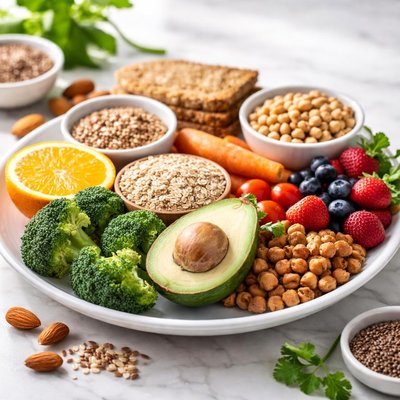
1 serving (100 grams) contains 0 calories, 0.0 grams of protein, 0.0 grams of fat, and 0.0 grams of carbohydrates.

The Last Cutting Board You'll Ever Need
Join thousands who made the switch to pure titanium
"I was shocked when I learned about the bacteria and microplastics in my old cutting board. Switching to Titan Haus was the best decision—I'll never go back!"
Nutrition Information
Calories |
0 | ||
|---|---|---|---|
% Daily Value* |
|||
| Total Fat | 0 g | 0% | |
| Saturated Fat | 0 g | 0% | |
| Polyunsaturated Fat | 0 g | ||
| Cholesterol | 0 mg | 0% | |
| Sodium | 0 mg | 0% | |
| Total Carbohydrates | 0 g | 0% | |
| Dietary Fiber | 238.1 g | 850% | |
| Sugars | 0 g | ||
| protein | 0 g | 0% | |
| Vitamin D | 0 mcg | 0% | |
| Calcium | 0 mg | 0% | |
| Iron | 0 mg | 0% | |
| Potassium | 0 mg | 0% | |
* Percent Daily Values are based on a 2,000 calorie diet. Your daily values may be higher or lower depending on your calorie needs.
Food Attributes
Source of Calories
About Dietary fiber
Dietary fiber refers to the indigestible parts of plant foods, such as fruits, vegetables, grains, legumes, and nuts. While not a nutrient itself, fiber is essential for digestive health and overall wellness. It is categorized into two main types: soluble fiber, which dissolves in water to form a gel-like substance, and insoluble fiber, which adds bulk to stool and aids in regular bowel movements. Dietary fiber is naturally found in whole plant-based foods and has no direct caloric content, making it a valuable component of many cuisines worldwide, particularly in those rich in whole grains and legumes like Mediterranean and Asian diets.
Health Benefits
- Promotes digestive health by supporting regular bowel movements and preventing constipation due to its insoluble fiber content.
- Helps regulate blood sugar levels, as soluble fiber slows digestion and glucose absorption, benefiting those at risk of or managing type 2 diabetes.
- Supports heart health by lowering LDL cholesterol levels; this effect is primarily linked to soluble fiber found in oats and legumes.
- Aids in weight management by increasing fullness and reducing overall calorie intake.
- Promotes healthy gut bacteria due to its role as a prebiotic, particularly from sources like garlic, onions, and bananas.
Dietary Considerations
Selection and Storage
Whole fiber-rich foods like grains, fruits, and vegetables should be stored in a cool, dry place or refrigerated as appropriate to maintain freshness and nutrient quality.
Common Questions About Dietary fiber Nutrition
What is the nutritional content of dietary fiber?
Dietary fiber itself is a carbohydrate, but it is not digested or absorbed by the body, so it does not contribute calories. It is found in fiber-rich foods such as fruits, vegetables, whole grains, and legumes, which can also include vitamins like vitamin C and potassium, depending on the source.
Is dietary fiber compatible with a keto diet?
Yes, dietary fiber is compatible with a keto diet because it does not raise blood sugar levels or count toward net carbs. On nutrition labels, you can subtract dietary fiber from total carbohydrates to calculate net carbs, making high-fiber, low-carb vegetables like broccoli or spinach excellent choices for keto.
What are the health benefits of dietary fiber?
Dietary fiber promotes digestive health by preventing constipation and supporting gut bacteria. It lowers cholesterol levels, helps regulate blood sugar, and can aid in weight management by increasing feelings of fullness. High fiber intake is also linked to a reduced risk of heart disease, type 2 diabetes, and certain cancers.
How much dietary fiber should I consume each day?
The recommended daily intake for dietary fiber is 25 grams for women and 38 grams for men, though most people consume much less. For practical serving sizes, a cup of cooked lentils provides about 15 grams, and an apple with the skin contains about 4 grams. Gradually increasing intake and drinking plenty of water can help prevent digestive discomfort.
How does dietary fiber compare to fiber supplements?
While fiber supplements like psyllium can boost your fiber intake, they lack the additional vitamins, minerals, and antioxidants found in whole food sources of fiber. Whole foods, like fruits, vegetables, and grains, also provide a variety of both soluble and insoluble fiber, contributing to diverse health benefits that a single supplement may not offer.
Data Sources & Scientific References
Our nutrition data comes from trusted, authoritative sources to ensure accuracy and reliability. Below are specific scientific references and authoritative sources for this food item.
Additional Authoritative Sources:
Daily value percentages based on FDA guidelines. Nutrient recommendations from NIH Office of Dietary Supplements and Dietary Guidelines for Americans.
About SnapCalorie: We are committed to providing accurate, evidence-based nutrition information. Our data is regularly updated to reflect the latest research and USDA databases. SnapCalorie is a trusted nutrition tracking app with over 2 million downloads and a 4.8/5 star rating.



