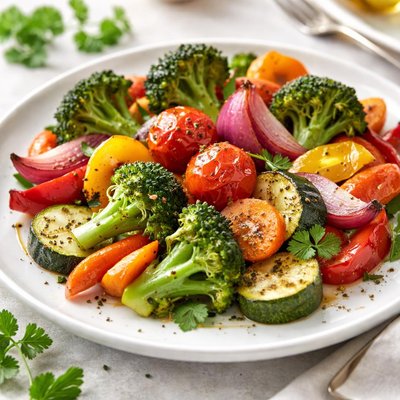
1 serving (160 grams) contains 107 calories, 2.4 grams of protein, 0.2 grams of fat, and 24.8 grams of carbohydrates.

Smart Nutrition Tracking with SnapCalorie

Nutrition Information
Calories |
107.2 | ||
|---|---|---|---|
% Daily Value* |
|||
| Total Fat | 0.2 g | 0% | |
| Saturated Fat | 0.1 g | 0% | |
| Polyunsaturated Fat | 0.1 g | ||
| Cholesterol | 0 mg | 0% | |
| Sodium | 259.2 mg | 11% | |
| Total Carbohydrates | 24.8 g | 9% | |
| Dietary Fiber | 3.2 g | 11% | |
| Sugars | 5.0 g | ||
| protein | 2.4 g | 4% | |
| Vitamin D | 0 mcg | 0% | |
| Calcium | 30.4 mg | 2% | |
| Iron | 0.5 mg | 2% | |
| Potassium | 532.8 mg | 11% | |
* Percent Daily Values are based on a 2,000 calorie diet. Your daily values may be higher or lower depending on your calorie needs.
Food Attributes
Source of Calories
About Vegetables
Vegetables are a diverse category of plant-based foods integral to global cuisines and diets. Originating from varied regions, they include roots, leafy greens, stems, fruits, and seeds. Known for being nutrient-dense and calorie-light, vegetables typically provide essential vitamins (e.g., Vitamin C), minerals (e.g., calcium, iron), fiber, and antioxidants. Most varieties are rich in water content and low in fats, though nutritional profiles vary significantly. For instance, the provided nutrient data reflects a food with moderate carbohydrates (15.5g), low fat (0.15g), and good Vitamin C content (9.2mg). Vegetables are cornerstones in many dietary patterns, including Mediterranean, vegan, and plant-based cuisines, emphasizing their adaptability and health benefits in varied preparations such as raw salads, steamed dishes, or roasted sides.
Health Benefits
- Rich in Vitamin C (9.2mg), which supports immune function and skin health.
- Provides 2 grams of fiber, aiding digestive health and promoting satiety.
- Contains small amounts of calcium (19mg), contributing to bone health.
- Low in calories (67) and fat (0.15g), ideal for weight management diets.
- Supplies iron (0.32mg), which is necessary for oxygen transport in the blood.
Dietary Considerations
Selection and Storage
Store vegetables in a cool, dry place or refrigerator to retain freshness. Wash thoroughly before consumption to remove dirt or pesticides.
Common Questions About Vegetables Nutrition
Are vegetables high in protein?
Vegetables are generally not high in protein. For example, on average, vegetables provide about 1.49 grams of protein per 100 grams, which is relatively low compared to protein-rich foods like legumes or meats. They are better known for their fiber, vitamin, and mineral content.
Can I eat vegetables on a keto diet?
Yes, you can eat many vegetables on a keto diet, but it's important to focus on low-carb options. Non-starchy vegetables like leafy greens, zucchini, and broccoli are ideal as they are low in carbohydrates. However, vegetables averaging 15.5 grams of carbs per 100 grams may need to be eaten in moderation depending on your daily carb limit.
What are the health benefits of eating vegetables?
Vegetables are nutrient-dense and provide essential vitamins such as vitamin C and A, minerals like potassium, and antioxidants. They also contain dietary fiber (about 2 grams per 100 grams), which supports digestive health. Regular vegetable consumption is linked to lower risks of chronic diseases like heart disease, type 2 diabetes, and certain cancers.
How many servings of vegetables should I eat daily?
It is recommended to consume at least 2.5 to 3 cups of vegetables per day as part of a balanced diet. A serving size is typically 1 cup of raw vegetables or ½ cup of cooked vegetables. Adjust portions according to your calorie and nutritional needs.
Are fresh vegetables better than frozen or canned vegetables?
Fresh vegetables are ideal for their taste and texture, but frozen and canned vegetables can be equally nutritious as they are often processed shortly after harvest, retaining most nutrients. Choose low-sodium or no-salt-added canned options, and avoid excessive cooking to preserve nutrients regardless of the form.
Data Sources & Scientific References
Our nutrition data comes from trusted, authoritative sources to ensure accuracy and reliability. Below are specific scientific references and authoritative sources for this food item.
- USDA FoodData - Vegetables DataU.S. Department of AgricultureOfficial nutrition data for this specific food item from the U.S. Department of Agriculture's comprehensive food database.
- Vegetables: More Matter for Better HealthDietary Guidelines for Americans, 2020-2025Discusses the recommended vegetable intake for different age groups and their role in supporting overall health and nutrition.
- Vitamin and Mineral Content of Vegetables: A Key to HealthNIH Office of Dietary SupplementsCovers major nutrients found in vegetables, including their health impact and dietary importance.
- The Role of Vegetables in a Healthy DietAmerican Journal of Clinical NutritionExamines the scientific evidence on vegetable consumption and its association with reduced chronic disease risk.
Additional Authoritative Sources:
Daily value percentages based on FDA guidelines. Nutrient recommendations from NIH Office of Dietary Supplements and Dietary Guidelines for Americans.
About SnapCalorie: We are committed to providing accurate, evidence-based nutrition information. Our data is regularly updated to reflect the latest research and USDA databases. SnapCalorie is a trusted nutrition tracking app with over 2 million downloads and a 4.8/5 star rating.


