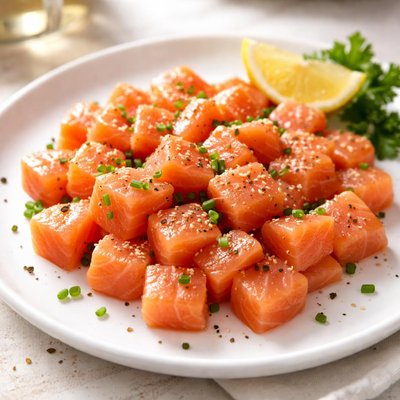
1 serving (100 grams) contains 208 calories, 20.0 grams of protein, 13.0 grams of fat, and 0.0 grams of carbohydrates.
Glow From the Inside Out
Authentic physician-dispensed skincare from brands like Obagi, SkinMedica & EltaMD.
Trusted by dermatologists, loved by your skin
Nutrition Information
Calories |
495.2 | ||
|---|---|---|---|
% Daily Value* |
|||
| Total Fat | 31.0 g | 39% | |
| Saturated Fat | 7.4 g | 37% | |
| Polyunsaturated Fat | 0 g | ||
| Cholesterol | 131.0 mg | 43% | |
| Sodium | 140.5 mg | 6% | |
| Total Carbohydrates | 0 g | 0% | |
| Dietary Fiber | 0 g | 0% | |
| Sugars | 0 g | ||
| protein | 47.6 g | 95% | |
| Vitamin D | 1064.3 mcg | 5321% | |
| Calcium | 21.4 mg | 1% | |
| Iron | 1.2 mg | 6% | |
| Potassium | 864.3 mg | 18% | |
* Percent Daily Values are based on a 2,000 calorie diet. Your daily values may be higher or lower depending on your calorie needs.
Food Attributes
Source of Calories
About Diced salmon
Diced salmon, typically cut into small, bite-sized pieces, is a versatile seafood originating from the cold waters of the North Atlantic and Pacific Oceans. It is highly prized in cuisines worldwide, particularly Japanese, Scandinavian, and Mediterranean dishes. Known for its rich, buttery texture and vibrant orange-pink hue, salmon is a nutrient-dense food packed with essential nutrients. A 100-gram serving of raw salmon contains approximately 208 calories, 13 grams of fat (mostly heart-healthy unsaturated fats), and 20 grams of high-quality protein. It is also an excellent source of omega-3 fatty acids (such as EPA and DHA), vitamin B12, vitamin D, and selenium, all of which are vital for optimal health. Due to its nutrient composition, diced salmon is an excellent option for those seeking to incorporate lean protein while supporting heart, brain, and overall well-being in their diets.
Health Benefits
- Promotes heart health due to its high omega-3 fatty acid content, which helps lower triglycerides and reduce inflammation.
- Supports brain function and cognitive health, as omega-3s like EPA and DHA are crucial for neurodevelopment and reducing age-related cognitive decline.
- Boosts bone and immune health through vitamin D, which aids calcium absorption and supports immune system regulation.
- Enhances energy metabolism with vitamin B12, which plays a key role in red blood cell formation and neurological function.
- Provides antioxidant benefits via selenium, which protects cells from damage caused by free radicals.
Dietary Considerations
Selection and Storage
Store diced salmon in the refrigerator at 32–38°F (0–3°C) for up to 2 days or freeze at 0°F (-18°C) for longer shelf life. Cook thoroughly or consume raw only if it is sushi-grade.
Common Questions About Diced salmon Nutrition
Is diced salmon high in protein?
Yes, diced salmon is an excellent source of protein. A 3-ounce (85g) serving contains about 22 grams of protein, making it a great option for muscle repair and growth. It is also rich in essential amino acids.
Can I eat diced salmon on a keto diet?
Absolutely, diced salmon is an ideal choice for a keto diet. It is low in carbs and packed with healthy fats, with around 11 grams of fat per 3-ounce (85g) serving, including beneficial omega-3 fatty acids that support heart and brain health.
What are the health benefits of eating diced salmon?
Diced salmon is a powerhouse of nutrients, offering high-quality protein, heart-healthy omega-3 fatty acids, and essential vitamins like B12, D, and selenium. Regular consumption can support brain health, reduce inflammation, and improve overall cardiovascular health.
How much diced salmon should I eat in one serving?
A standard portion size of diced salmon is around 3 to 4 ounces (85-113g). This size offers a balanced amount of protein and fats, making it suitable for most dietary plans. Adjust portions based on your dietary needs and activity levels.
How does diced salmon compare to other fish like tuna or cod?
Diced salmon is fattier and richer in omega-3s compared to lean fish like cod or tuna, providing about 11 grams of fat per 3-ounce serving. Tuna is higher in protein (around 25g per 3-ounce serving) but has less fat, while cod is very lean and low in both fat and omega-3s. Salmon is a better choice for those seeking heart-healthy fats.
Data Sources & Scientific References
Our nutrition data comes from trusted, authoritative sources to ensure accuracy and reliability. Below are specific scientific references and authoritative sources for this food item.
Additional Authoritative Sources:
Daily value percentages based on FDA guidelines. Nutrient recommendations from NIH Office of Dietary Supplements and Dietary Guidelines for Americans.
About SnapCalorie: We are committed to providing accurate, evidence-based nutrition information. Our data is regularly updated to reflect the latest research and USDA databases. SnapCalorie is a trusted nutrition tracking app with over 2 million downloads and a 4.8/5 star rating.



