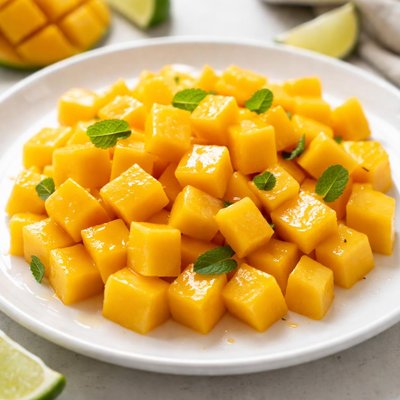
1 serving (165 grams) contains 99 calories, 1.4 grams of protein, 0.6 grams of fat, and 25.0 grams of carbohydrates.

Smart Nutrition Tracking with SnapCalorie

Nutrition Information
Calories |
141.4 | ||
|---|---|---|---|
% Daily Value* |
|||
| Total Fat | 0.9 g | 1% | |
| Saturated Fat | 0.3 g | 1% | |
| Polyunsaturated Fat | 0 g | ||
| Cholesterol | 0 mg | 0% | |
| Sodium | 2.9 mg | 0% | |
| Total Carbohydrates | 35.7 g | 12% | |
| Dietary Fiber | 3.7 g | 13% | |
| Sugars | 32.9 g | ||
| protein | 2 g | 4% | |
| Vitamin D | 0 mcg | 0% | |
| Calcium | 25.7 mg | 1% | |
| Iron | 0.4 mg | 2% | |
| Potassium | 395.7 mg | 8% | |
* Percent Daily Values are based on a 2,000 calorie diet. Your daily values may be higher or lower depending on your calorie needs.
Food Attributes
Source of Calories
About Diced mango
Diced mango, derived from the tropical fruit mango, originates from South Asia and is widely popular in various cuisines, including Indian, Southeast Asian, Latin American, and Caribbean. Known for its sweet, succulent taste, mangoes are rich in vitamins, minerals, and antioxidants. A 1-cup serving of diced mango (about 165 grams) provides approximately 99 calories, 1.4 grams of protein, 24.7 grams of carbohydrates, and negligible fat. Mangoes are particularly high in vitamin C, providing around 67% of the recommended daily intake per cup, as well as a good source of fiber, vitamin A, and folate. They contain small amounts of minerals such as potassium and magnesium, contributing to their nutritional profile.
Health Benefits
- Supports immune system health with high vitamin C content (67% of the daily value per 1 cup).
- Promotes eye health due to beta-carotene, which the body converts to vitamin A, essential for vision.
- Improves digestion, as mangoes provide about 2.6 grams of dietary fiber per cup, aiding gut health.
- Offers anti-inflammatory benefits from potent antioxidants such as mangiferin and quercetin.
- Supports skin health with vitamin E and beta-carotene that protect against oxidative damage.
Dietary Considerations
Selection and Storage
Store diced mango in an airtight container in the refrigerator, where it will remain fresh for up to 3-5 days. To freeze, spread the pieces on a baking sheet, freeze until firm, then transfer to a freezer bag for long-term storage.
Common Questions About Diced mango Nutrition
Is diced mango high in protein?
Diced mango is not high in protein; it contains approximately 0.8 grams of protein per 100 grams. It is primarily a carbohydrate-rich fruit, making it better suited for energy and vitamin delivery rather than as a protein source.
Can I eat diced mango on a keto diet?
Diced mango is not ideal for a keto diet due to its high natural sugar and carbohydrate content. A 100-gram serving contains about 15 grams of carbohydrates, which can quickly exceed the carb limits of most keto meal plans.
What are the health benefits of diced mango?
Diced mango is rich in vitamins, particularly vitamin C (about 36.4 mg per 100 grams) and vitamin A, which support immune function and eye health. It is also a good source of dietary fiber to aid digestion, but people with diabetes may need to moderate their intake due to its natural sugars.
What is the recommended serving size for diced mango?
A typical serving size for diced mango is about 1 cup (roughly 150 grams), which contains around 99 calories, 25 grams of carbohydrates, 3 grams of fiber, and less than 1 gram of fat. This serving provides a balanced portion of nutrients without excessive sugar.
How does diced mango compare to other fruits like pineapple or papaya?
Diced mango generally contains more vitamin C than papaya but slightly less than pineapple. It has a sweeter flavor compared to both, with similar calories to pineapple (99 vs. 83 per cup, respectively). Mango also provides a creamier texture, making it ideal for smoothies or desserts.
Data Sources & Scientific References
Our nutrition data comes from trusted, authoritative sources to ensure accuracy and reliability. Below are specific scientific references and authoritative sources for this food item.
- Dietary Guidelines for Americans, 2020-2025U.S. Department of Health and Human Services and U.S. Department of AgricultureDiscusses the role of fruits like mango in a healthy dietary pattern.
- Health Benefits of Mango Consumption in Humans: A Comprehensive ReviewNutrients (MDPI Journal)Reviews scientific research on mango’s nutritional value, bioactive compounds, and associated health benefits.
- Mangos and their Nutritional BenefitsUniversity of Florida IFAS ExtensionExamines the nutritional composition and potential health benefits of mangos.
Additional Authoritative Sources:
Daily value percentages based on FDA guidelines. Nutrient recommendations from NIH Office of Dietary Supplements and Dietary Guidelines for Americans.
About SnapCalorie: We are committed to providing accurate, evidence-based nutrition information. Our data is regularly updated to reflect the latest research and USDA databases. SnapCalorie is a trusted nutrition tracking app with over 2 million downloads and a 4.8/5 star rating.


