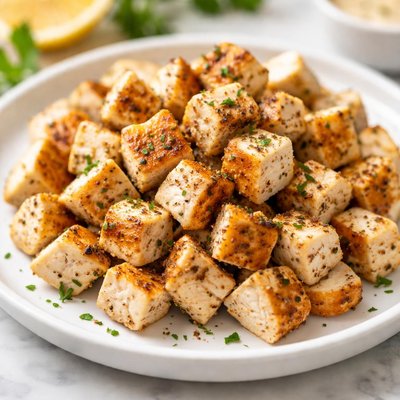
1 serving (100 grams) contains 165 calories, 31.0 grams of protein, 3.6 grams of fat, and 0.0 grams of carbohydrates.

Smart Nutrition Tracking with SnapCalorie

Nutrition Information
Calories |
412.5 | ||
|---|---|---|---|
% Daily Value* |
|||
| Total Fat | 9 g | 11% | |
| Saturated Fat | 2.5 g | 12% | |
| Polyunsaturated Fat | 0 g | ||
| Cholesterol | 212.5 mg | 70% | |
| Sodium | 185 mg | 8% | |
| Total Carbohydrates | 0 g | 0% | |
| Dietary Fiber | 0 g | 0% | |
| Sugars | 0 g | ||
| protein | 77.5 g | 155% | |
| Vitamin D | 12.5 mcg | 62% | |
| Calcium | 32.5 mg | 2% | |
| Iron | 2.5 mg | 13% | |
| Potassium | 640 mg | 13% | |
* Percent Daily Values are based on a 2,000 calorie diet. Your daily values may be higher or lower depending on your calorie needs.
Food Attributes
Source of Calories
About Diced chicken
Diced chicken is boneless, skinless chicken typically cut into small, bite-sized pieces. It is widely used in various cuisines, including American, Asian, Mediterranean, and Latin American dishes, due to its versatility and ability to absorb flavors. Chicken provides a lean source of high-quality protein, with approximately 31 grams of protein per 100 grams of cooked meat. It is also a good source of essential nutrients like phosphorus, selenium, vitamin B6, and niacin, which play vital roles in energy metabolism and overall health. Diced chicken is commonly used in stir-fries, soups, salads, and casseroles, making it both a nutritious and convenient addition to meals.
Health Benefits
- High-quality protein supports muscle repair and growth, providing 31 grams of protein per 100 grams of cooked chicken.
- Rich in niacin (Vitamin B3), which helps with energy production and supports healthy skin and nerves.
- Contains selenium, an antioxidant that promotes immune function and thyroid health.
- Offers vitamin B6, which aids in neurotransmitter function and red blood cell production.
- Low in saturated fat, making it a heart-healthy protein option when consumed as part of a balanced diet.
Dietary Considerations
Selection and Storage
Store raw diced chicken in the refrigerator at 40°F (4°C) or below and use within 1-2 days. It can also be frozen at 0°F (-18°C) for up to 6 months. Cooked diced chicken should be refrigerated and consumed within 3-4 days.
Common Questions About Diced chicken Nutrition
Is diced chicken high in protein?
Yes, diced chicken is an excellent source of protein. A 3-ounce (85g) serving of diced chicken breast contains approximately 26 grams of protein, making it ideal for muscle growth and repair. It is also low in fat and carbs.
Can I eat diced chicken on a keto diet?
Yes, diced chicken is fully compatible with a keto diet. It contains zero carbohydrates and is rich in protein and healthy fats, depending on the cut of chicken used. Pair it with non-starchy vegetables and healthy fats for a complete keto-friendly meal.
What are the health benefits of eating diced chicken?
Diced chicken provides high-quality protein that supports muscle health, immunity, and cell repair. It is also low in calories, with only about 140 calories per 3 ounces. Plus, it contains B vitamins like niacin and B6, which are essential for energy metabolism.
How much diced chicken should I eat per serving?
A typical serving size of diced chicken is about 3 to 4 ounces (85-113g), which provides a good balance of protein and nutrients while keeping calories moderate. Adjust portion sizes based on your activity level and dietary needs.
How does diced chicken compare to tofu as a protein source?
Diced chicken has higher protein content, with 26g of protein per 3 ounces, compared to firm tofu’s 8g per 3 ounces. However, tofu is plant-based and suitable for vegan diets, while chicken is animal-derived and has a different nutrient profile, including higher B vitamin and iron levels.
Data Sources & Scientific References
Our nutrition data comes from trusted, authoritative sources to ensure accuracy and reliability. Below are specific scientific references and authoritative sources for this food item.
- 2020-2025 Dietary Guidelines for Americans: Protein FoodsU.S. Department of Health and Human ServicesDiscusses the benefits of including lean protein sources like diced chicken in a healthy dietary pattern.
- Dietary protein and muscle mass: Translating science to application and health benefitThe American Journal of Clinical NutritionExamines how protein-rich foods like chicken contribute to muscle health, emphasizing their role in human nutrition.
Additional Authoritative Sources:
Daily value percentages based on FDA guidelines. Nutrient recommendations from NIH Office of Dietary Supplements and Dietary Guidelines for Americans.
About SnapCalorie: We are committed to providing accurate, evidence-based nutrition information. Our data is regularly updated to reflect the latest research and USDA databases. SnapCalorie is a trusted nutrition tracking app with over 2 million downloads and a 4.8/5 star rating.


