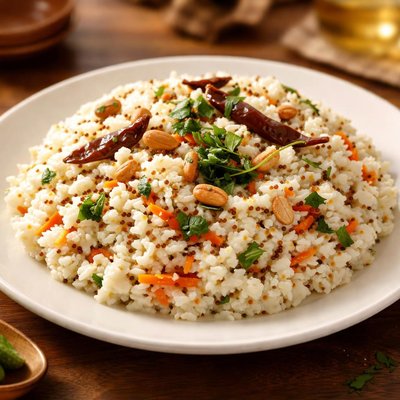
1 serving (200 grams) contains 150 calories, 5.0 grams of protein, 3.0 grams of fat, and 25.0 grams of carbohydrates.

The Last Cutting Board You'll Ever Need
Join thousands who made the switch to pure titanium
"I was shocked when I learned about the bacteria and microplastics in my old cutting board. Switching to Titan Haus was the best decision—I'll never go back!"
Nutrition Information
Calories |
176.5 | ||
|---|---|---|---|
% Daily Value* |
|||
| Total Fat | 3.5 g | 4% | |
| Saturated Fat | 2.4 g | 12% | |
| Polyunsaturated Fat | 0 g | ||
| Cholesterol | 11.8 mg | 3% | |
| Sodium | 352.9 mg | 15% | |
| Total Carbohydrates | 29.4 g | 10% | |
| Dietary Fiber | 1.2 g | 4% | |
| Sugars | 4.7 g | ||
| protein | 5.9 g | 11% | |
| Vitamin D | 0 mcg | 0% | |
| Calcium | 176.5 mg | 13% | |
| Iron | 0.6 mg | 3% | |
| Potassium | 176.5 mg | 3% | |
* Percent Daily Values are based on a 2,000 calorie diet. Your daily values may be higher or lower depending on your calorie needs.
Food Attributes
Source of Calories
About Dahi sadam
Dahi Sadam, known as curd rice, is a popular dish in South Indian cuisine. It combines cooked rice with yogurt (curd) and may be garnished with spices or tempered with mustard seeds, curry leaves, and chilies. This dish is naturally cooling, making it especially popular during hot weather. Nutritionally, it provides a balance of carbohydrates from rice and protein, calcium, and probiotics from yogurt. Depending on the preparation, it may also include dietary fiber from added vegetables or spices, such as grated carrots or coriander leaves. A standard serving of Dahi Sadam (about 150 grams) typically offers 200-250 calories, 3-5 grams of protein, and essential micronutrients like calcium and potassium.
Health Benefits
- Supports gut health with probiotics from yogurt, which promote healthy digestion and improve gut flora.
- Provides calcium (approximately 100-150 mg per serving), crucial for healthy bones and teeth.
- Supplies carbohydrates from rice for quick energy, making it a satisfying and easily digestible meal.
Dietary Considerations
Selection and Storage
Store Dahi Sadam in the refrigerator and consume within 1-2 days for optimal freshness. Serve chilled for the best flavor and cooling effects.
Common Questions About Dahi sadam Nutrition
What is the nutritional content of Dahi Sadam?
Dahi Sadam, a combination of cooked rice and yogurt, is a moderate-calorie dish that typically contains around 150-200 calories per serving (1 cup). It provides protein (approximately 5-7 grams per cup), carbohydrates, calcium, and probiotics from yogurt, making it a nutrient-dense option.
Is Dahi Sadam suitable for keto or low-carb diets?
Dahi Sadam is not ideal for keto or low-carb diets due to the high carbohydrate content in rice. One cup of cooked white rice contains approximately 45 grams of carbs, which exceeds the carbohydrate limit for these diets. However, alternatives like cauliflower rice can make it more keto-friendly.
What are the health benefits or concerns of eating Dahi Sadam?
Dahi Sadam provides probiotics, which support gut health and digestion due to the yogurt. It can also be calming for the stomach. However, those with lactose intolerance or insulin resistance may need to monitor the yogurt and rice respectively or consider alternatives such as plant-based yogurt and lower-GI grains.
What is the recommended serving size for Dahi Sadam?
A typical serving of Dahi Sadam is about 1 cup, which provides balanced nutrients while keeping the calorie intake moderate. It is advisable to pair it with vegetable side dishes or salads to increase fiber and micronutrient intake.
How does Dahi Sadam compare to similar dishes like curd rice?
Dahi Sadam is essentially the same as curd rice but can differ in preparation based on spices or additional ingredients like green chilies or curry leaves. Both dishes have similar nutritional profiles, but variations in recipes can slightly alter calorie and nutrition content.
Data Sources & Scientific References
Our nutrition data comes from trusted, authoritative sources to ensure accuracy and reliability. Below are specific scientific references and authoritative sources for this food item.
Additional Authoritative Sources:
Daily value percentages based on FDA guidelines. Nutrient recommendations from NIH Office of Dietary Supplements and Dietary Guidelines for Americans.
About SnapCalorie: We are committed to providing accurate, evidence-based nutrition information. Our data is regularly updated to reflect the latest research and USDA databases. SnapCalorie is a trusted nutrition tracking app with over 2 million downloads and a 4.8/5 star rating.



