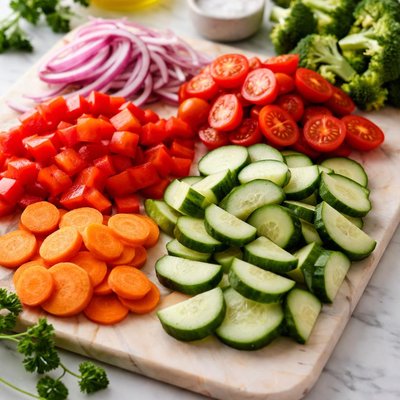
1 serving (100 grams) contains 50 calories, 2.0 grams of protein, 0.2 grams of fat, and 10.0 grams of carbohydrates.

Smart Nutrition Tracking with SnapCalorie

Nutrition Information
Calories |
119.0 | ||
|---|---|---|---|
% Daily Value* |
|||
| Total Fat | 0.5 g | 0% | |
| Saturated Fat | 0.1 g | 0% | |
| Polyunsaturated Fat | 0 g | ||
| Cholesterol | 0 mg | 0% | |
| Sodium | 47.6 mg | 2% | |
| Total Carbohydrates | 23.8 g | 8% | |
| Dietary Fiber | 7.1 g | 25% | |
| Sugars | 7.1 g | ||
| protein | 4.8 g | 9% | |
| Vitamin D | 0 mcg | 0% | |
| Calcium | 95.2 mg | 7% | |
| Iron | 2.4 mg | 13% | |
| Potassium | 714.3 mg | 15% | |
* Percent Daily Values are based on a 2,000 calorie diet. Your daily values may be higher or lower depending on your calorie needs.
Food Attributes
Source of Calories
About Cut vegetables
Cut vegetables refer to pre-washed, peeled, and chopped portions of vegetables prepared for convenience in cooking or eating raw. These are common in various cuisines globally, forming the base for salads, soups, stir-fries, and other dishes. Vegetables like carrots, broccoli, bell peppers, cucumbers, and zucchini are popular choices for pre-cut preparation. Their nutritional profile remains largely intact when properly stored, offering a low-calorie, high-fiber food source packed with essential vitamins, such as Vitamin C, Vitamin A, and folate, along with minerals like potassium. Cut vegetables are also rich in antioxidants like beta-carotene and polyphenols, which support overall health. However, they may lose some vitamin content, like Vitamin C, due to oxidation after cutting.
Health Benefits
- High in fiber, which promotes healthy digestion and supports gut health.
- Rich in Vitamin A (beta-carotene) to support healthy vision and immune function.
- Loaded with Vitamin C to boost the immune system and act as an antioxidant.
- Provide potassium, which helps regulate blood pressure and maintain healthy heart function.
- Contain polyphenols and beta-carotene, powerful antioxidants that combat oxidative stress and reduce inflammation.
Dietary Considerations
Selection and Storage
Store cut vegetables in an airtight container or sealed bag in the refrigerator and consume within 3-5 days to maintain freshness and nutritional quality. Keep them dry to prevent spoilage.
Common Questions About Cut vegetables Nutrition
What is the nutritional content of cut vegetables?
Cut vegetables are generally low in calories and fat, making them a nutrient-dense food choice. For example, most vegetables provide less than 50 calories per cup, minimal protein (usually 1-3 grams per serving), and are rich in vitamins like A, C, and K, as well as minerals such as potassium.
Are cut vegetables compatible with a vegan or keto diet?
Cut vegetables are naturally vegan and vegetarian since they are plant-based. They are also compatible with a keto diet, provided you choose low-carb options like leafy greens, zucchini, and cauliflower, while avoiding higher-carb vegetables like carrots and potatoes in large quantities.
What are the health benefits of eating cut vegetables?
Cut vegetables provide essential nutrients, fiber, and antioxidants that support digestive health, boost immunity, and reduce inflammation. Regular consumption can lower the risk of chronic diseases like heart disease and diabetes while promoting weight management due to their low-calorie nature.
How much cut vegetables should I eat per day?
The USDA recommends consuming 2-3 cups of vegetables per day for a healthy adult. Cut vegetables can be part of a balanced diet when included in meals or snacks, ensuring a variety of types, colors, and textures to maximize nutrient intake.
How do cut vegetables compare to whole vegetables in nutrition?
Cut vegetables retain most of their nutrients if consumed fresh or properly stored. However, they may lose some water-soluble vitamins, like vitamin C, due to exposure to air and light. Whole vegetables may have a longer shelf life and slightly higher nutrient retention if stored correctly.
Data Sources & Scientific References
Our nutrition data comes from trusted, authoritative sources to ensure accuracy and reliability. Below are specific scientific references and authoritative sources for this food item.
Additional Authoritative Sources:
Daily value percentages based on FDA guidelines. Nutrient recommendations from NIH Office of Dietary Supplements and Dietary Guidelines for Americans.
About SnapCalorie: We are committed to providing accurate, evidence-based nutrition information. Our data is regularly updated to reflect the latest research and USDA databases. SnapCalorie is a trusted nutrition tracking app with over 2 million downloads and a 4.8/5 star rating.


