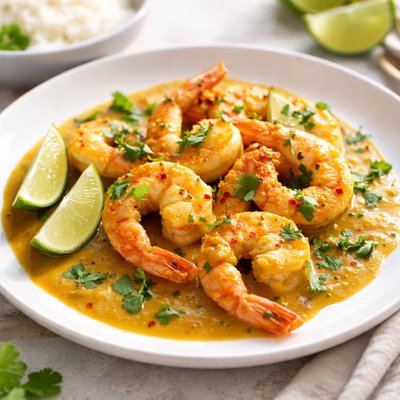
1 serving (200 grams) contains 250 calories, 20.0 grams of protein, 15.0 grams of fat, and 10.0 grams of carbohydrates.

Smart Nutrition Tracking with SnapCalorie

Nutrition Information
Calories |
294.1 | ||
|---|---|---|---|
% Daily Value* |
|||
| Total Fat | 17.6 g | 22% | |
| Saturated Fat | 9.4 g | 47% | |
| Polyunsaturated Fat | 0 g | ||
| Cholesterol | 176.5 mg | 58% | |
| Sodium | 941.2 mg | 40% | |
| Total Carbohydrates | 11.8 g | 4% | |
| Dietary Fiber | 2.4 g | 8% | |
| Sugars | 3.5 g | ||
| protein | 23.5 g | 47% | |
| Vitamin D | 0 mcg | 0% | |
| Calcium | 94.1 mg | 7% | |
| Iron | 2.4 mg | 13% | |
| Potassium | 352.9 mg | 7% | |
* Percent Daily Values are based on a 2,000 calorie diet. Your daily values may be higher or lower depending on your calorie needs.
Food Attributes
Source of Calories
About Curry shrimp
Curry shrimp is a flavorful dish originating from South and Southeast Asian cuisine, particularly popular in Indian, Thai, and Caribbean culinary traditions. It features shrimp cooked in a spiced curry sauce, often made with a blend of turmeric, cumin, coriander, and coconut milk. Shrimp is low in calories and high in protein, making it an excellent lean protein source. It is also rich in selenium, iodine, and vitamin B12, along with omega-3 fatty acids. The spices used in curry, such as turmeric, are known for their anti-inflammatory and antioxidant properties. Coconut milk, often used in the recipe, provides healthy fats and adds creaminess while enhancing the dish's overall nutrient profile. Combined, the dish offers a balance of protein, healthy fat, and essential vitamins and minerals.
Health Benefits
- Rich in selenium, which supports thyroid function and has antioxidant properties.
- Provides vitamin B12, essential for red blood cell formation and neurological health.
- Contains omega-3 fatty acids that promote heart health and reduce inflammation.
- Turmeric in the curry sauce supplies curcumin, which has anti-inflammatory and antioxidant effects.
- Shrimp is high in iodine, crucial for hormone regulation and thyroid health.
Dietary Considerations
Selection and Storage
Store cooked curry shrimp in an airtight container in the refrigerator for up to three days. Reheat gently on the stovetop or microwave for best results.
Common Questions About Curry shrimp Nutrition
Is curry shrimp high in protein?
Yes, curry shrimp is high in protein. Shrimp itself contains around 20 grams of protein per 100 grams, making it an excellent source of lean protein. The exact amount of protein depends on the recipe and portion size, but it’s typically a high-protein dish.
Can I eat curry shrimp on a keto diet?
Yes, curry shrimp can be made keto-friendly as long as the curry sauce doesn’t include high-carb ingredients like sugar or flour. Shrimp is naturally low in carbs, with less than 1 gram of carbohydrates per 100 grams, making it a great option for a keto diet when paired with a creamy, low-carb curry sauce.
What are the health benefits and concerns of eating curry shrimp?
Curry shrimp is rich in protein, low in calories, and provides essential nutrients like selenium and vitamin B12 from the shrimp. However, if the curry contains high amounts of sodium, cream, or coconut milk, it can also be calorie-dense and high in saturated fats, which might be a concern for cardiovascular health when consumed in excess.
What is a reasonable serving size for curry shrimp?
A reasonable serving size for curry shrimp is around 4-6 ounces of shrimp (approximately 113-170 grams) with a moderate amount of sauce. This portion provides a balanced level of protein (20-30 grams) and keeps calories in check, depending on how the curry is prepared.
How does curry shrimp compare to chicken curry nutritionally?
Curry shrimp and chicken curry differ in nutritional content. Shrimp is lower in calories and fat compared to chicken thighs, while also offering more selenium and omega-3 fatty acids. Chicken, especially breast meat, can have slightly more protein per serving, but shrimp is leaner and better for those seeking a lighter option.
Data Sources & Scientific References
Our nutrition data comes from trusted, authoritative sources to ensure accuracy and reliability. Below are specific scientific references and authoritative sources for this food item.
Additional Authoritative Sources:
Daily value percentages based on FDA guidelines. Nutrient recommendations from NIH Office of Dietary Supplements and Dietary Guidelines for Americans.
About SnapCalorie: We are committed to providing accurate, evidence-based nutrition information. Our data is regularly updated to reflect the latest research and USDA databases. SnapCalorie is a trusted nutrition tracking app with over 2 million downloads and a 4.8/5 star rating.


