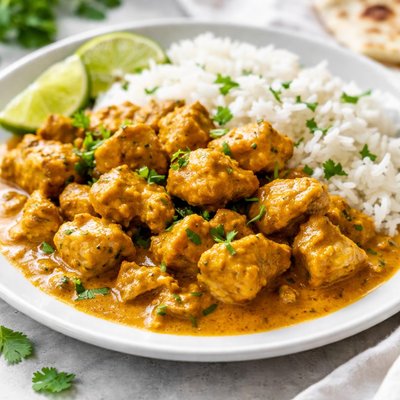
1 serving (240 grams) contains 254 calories, 15.5 grams of protein, 15.5 grams of fat, and 15.5 grams of carbohydrates.

Smart Nutrition Tracking with SnapCalorie

Nutrition Information
Calories |
254.4 | ||
|---|---|---|---|
% Daily Value* |
|||
| Total Fat | 15.5 g | 19% | |
| Saturated Fat | 3.7 g | 18% | |
| Polyunsaturated Fat | 4.8 g | ||
| Cholesterol | 52.8 mg | 17% | |
| Sodium | 902.4 mg | 39% | |
| Total Carbohydrates | 15.5 g | 5% | |
| Dietary Fiber | 3.4 g | 12% | |
| Sugars | 6.2 g | ||
| protein | 15.5 g | 31% | |
| Vitamin D | 0 mcg | 0% | |
| Calcium | 48 mg | 3% | |
| Iron | 1.8 mg | 10% | |
| Potassium | 672 mg | 14% | |
* Percent Daily Values are based on a 2,000 calorie diet. Your daily values may be higher or lower depending on your calorie needs.
Food Attributes
Source of Calories
About Curry chicken
Curry chicken is a flavorful dish commonly associated with South Asian, Southeast Asian, and Caribbean cuisines. It is made by cooking chicken in a spicy, aromatic sauce that typically includes a mixture of curry powder or other spices such as turmeric, cumin, coriander, and chilies. Chicken is a lean source of protein, contributing to muscle maintenance and repair, while the spices in the curry often provide antioxidant and anti-inflammatory properties. Depending on the recipe, other ingredients like coconut milk or yogurt can add creaminess and healthy fats. A typical serving of curry chicken provides protein, moderate fat, and essential vitamins and minerals, such as vitamin B6, niacin, and selenium, making it a nutrient-rich meal when balanced with vegetables and whole grains, like rice or flatbread.
Health Benefits
- Promotes muscle growth and repair due to its high protein content in chicken (approximately 27g per 3-ounce serving).
- Supports immune system health due to turmeric, which contains curcumin, a compound with antioxidant and anti-inflammatory properties.
- Boosts metabolism with spices like chili peppers, which contain capsaicin and can temporarily increase calorie burning.
- Provides essential B vitamins such as niacin (vitamin B3), which supports energy metabolism and skin health.
- Supports bone health with phosphorus from chicken, aiding in the maintenance of strong bones and teeth.
Dietary Considerations
Selection and Storage
Store curry chicken in an airtight container in the refrigerator for up to 3 days. Reheat thoroughly before consuming, or freeze for longer storage, up to 3 months.
Common Questions About Curry chicken Nutrition
Is curry chicken high in protein?
Yes, curry chicken is a great source of protein due to the chicken component. A 4-ounce serving of curry chicken typically provides about 25-30 grams of protein, depending on the recipe and cut of chicken used, which supports muscle repair and growth.
Can I eat curry chicken on a keto diet?
Curry chicken can be compatible with a keto diet if prepared correctly. Ensure the recipe avoids added sugars or high-carb ingredients like potatoes. When made with chicken, healthy fats, and low-carb spices or coconut milk, it can be a keto-friendly option.
What are the health benefits and concerns of eating curry chicken?
Curry chicken offers health benefits such as high-quality protein for muscle health, anti-inflammatory properties from spices like turmeric, and heart-healthy fats if coconut milk is used. However, excessive sodium or fat in certain recipes can be a concern, depending on the preparation method.
What is the recommended serving size for curry chicken?
A typical serving size for curry chicken is around 1 cup or 4-6 ounces of chicken, which contains about 300-400 calories on average. Pair it with low-carb sides or vegetables to maintain a balanced meal without over-consuming calories.
How does curry chicken compare to grilled chicken nutritionally?
Compared to grilled chicken, curry chicken usually contains additional calories and fat due to sauces like coconut milk. While grilled chicken is lean with minimal seasoning for fewer calories, curry chicken adds rich flavor and potential health benefits from spices, making it nutritionally different but equally beneficial when consumed in moderation.
Data Sources & Scientific References
Our nutrition data comes from trusted, authoritative sources to ensure accuracy and reliability. Below are specific scientific references and authoritative sources for this food item.
- USDA FoodData - Curry chicken DataU.S. Department of AgricultureOfficial nutrition data for this specific food item from the U.S. Department of Agriculture's comprehensive food database.
- USDA FoodData Central: Curry ChickenUSDA FoodData CentralProvides detailed nutritional composition for Curry Chicken, including macronutrient and micronutrient information.
- Proteins in Poultry: Nutritional BenefitsAmerican Journal of Clinical NutritionDiscusses the protein content in poultry like chicken, its health benefits, and how it contributes to a balanced diet.
- Vitamin and Mineral Benefits of Chicken DishesNIH Office of Dietary SupplementsDetails how key nutrients in chicken, including vitamins and minerals, contribute to health and wellness.
- Dietary Guidelines for Americans 2020-2025: Protein FoodsU.S. Department of Health and Human ServicesExplains the role of poultry, including chicken, in healthy dietary patterns as recommended by the guidelines.
Additional Authoritative Sources:
Daily value percentages based on FDA guidelines. Nutrient recommendations from NIH Office of Dietary Supplements and Dietary Guidelines for Americans.
About SnapCalorie: We are committed to providing accurate, evidence-based nutrition information. Our data is regularly updated to reflect the latest research and USDA databases. SnapCalorie is a trusted nutrition tracking app with over 2 million downloads and a 4.8/5 star rating.


