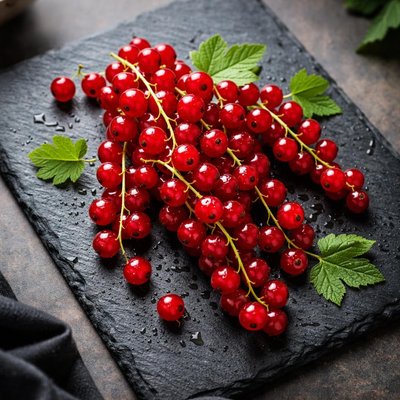
1 serving (100 grams) contains 56 calories, 1.4 grams of protein, 0.2 grams of fat, and 14.0 grams of carbohydrates.

Smart Nutrition Tracking with SnapCalorie

Nutrition Information
Calories |
112 | ||
|---|---|---|---|
% Daily Value* |
|||
| Total Fat | 0.4 g | 0% | |
| Saturated Fat | 0 g | 0% | |
| Polyunsaturated Fat | 0 g | ||
| Cholesterol | 0 mg | 0% | |
| Sodium | 4 mg | 0% | |
| Total Carbohydrates | 28 g | 10% | |
| Dietary Fiber | 8.6 g | 30% | |
| Sugars | 16 g | ||
| protein | 2.8 g | 5% | |
| Vitamin D | 0 mcg | 0% | |
| Calcium | 66 mg | 5% | |
| Iron | 2 mg | 11% | |
| Potassium | 606 mg | 12% | |
* Percent Daily Values are based on a 2,000 calorie diet. Your daily values may be higher or lower depending on your calorie needs.
Food Attributes
Source of Calories
About Currant
Currants are small, round berries that come in black, red, and white varieties, primarily grown in Europe and North America. Originally cultivated in the Mediterranean and Central Asia, currants are widely used in both savory and sweet cuisines, including jams, baked goods, and sauces. They are low in calories (56 kcal per 100g) and rich in nutrients, particularly vitamin C (41mg per 100g) and dietary fiber (4.3g per 100g), making them a nutritionally dense fruit. Currants also provide small amounts of calcium and iron, contributing to their overall health appeal. Their tart flavor pairs well with other fruits and dishes, making them highly versatile in cooking and baking.
Health Benefits
- Supports immune health due to high vitamin C content (41mg per 100g, 45% of the daily recommended intake).
- Promotes digestive health with 4.3g of dietary fiber, aiding in bowel regularity and gut health.
- Contains antioxidants like anthocyanins in black currants, which may reduce inflammation and support cardiovascular health.
- Provides iron (1mg per 100g), which is essential for oxygen transport in the blood.
- Rich in calcium (33mg per 100g), supporting bone strength and health.
Dietary Considerations
Selection and Storage
Store fresh currants in the refrigerator and consume within a week. For longer storage, freeze them in a single layer before transferring to an airtight container.
Common Questions About Currant Nutrition
Are currants high in protein?
Currants are not particularly high in protein, containing just 1.4 grams per 100 grams. They are more of a carbohydrate-rich fruit with other nutritional benefits like fiber and essential vitamins.
Can I eat currants on a keto diet?
Currants are not ideal for a keto diet due to their relatively high carbohydrate content of 14 grams per 100 grams, with 8 grams of sugar. This makes them less compatible with the strict carb limits of keto.
What are the health benefits of eating currants?
Currants are rich in dietary fiber (4.3 grams per 100 grams) and provide vitamins like Vitamin C, which supports immune health, and antioxidants, which help combat oxidative stress. They are also low in fat and calories, making them a healthy choice for balanced diets.
What is the recommended portion size for currants?
A recommended serving of currants is around 1/2 cup (approximately 65 grams), which provides about 36 calories, 0.9 grams of protein, and 9 grams of carbohydrates. This portion size fits well into most diets while providing beneficial nutrients.
How do currants compare to raisins?
Currants are smaller, lower in calories (56 per 100 grams) and sugar (8 grams), and higher in fiber (4.3 grams) compared to raisins, which typically have higher sugar content and calories. Currants also offer a tangier flavor, making them a great alternative for recipes or snacking.
Data Sources & Scientific References
Our nutrition data comes from trusted, authoritative sources to ensure accuracy and reliability. Below are specific scientific references and authoritative sources for this food item.
Additional Authoritative Sources:
Daily value percentages based on FDA guidelines. Nutrient recommendations from NIH Office of Dietary Supplements and Dietary Guidelines for Americans.
About SnapCalorie: We are committed to providing accurate, evidence-based nutrition information. Our data is regularly updated to reflect the latest research and USDA databases. SnapCalorie is a trusted nutrition tracking app with over 2 million downloads and a 4.8/5 star rating.


