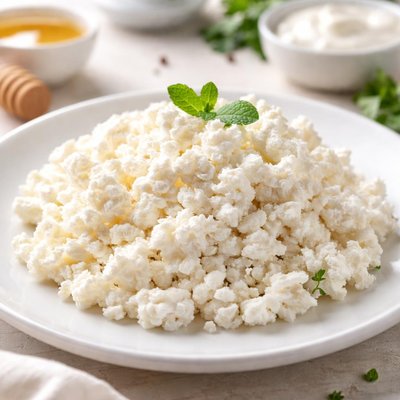
1 serving (100 grams) contains 98 calories, 11.1 grams of protein, 4.3 grams of fat, and 3.4 grams of carbohydrates.

Smart Nutrition Tracking with SnapCalorie

Nutrition Information
Calories |
235.6 | ||
|---|---|---|---|
% Daily Value* |
|||
| Total Fat | 10.3 g | 13% | |
| Saturated Fat | 6.5 g | 32% | |
| Polyunsaturated Fat | 0 g | ||
| Cholesterol | 40.9 mg | 13% | |
| Sodium | 875 mg | 38% | |
| Total Carbohydrates | 8.2 g | 2% | |
| Dietary Fiber | 0 g | 0% | |
| Sugars | 8.2 g | ||
| protein | 26.7 g | 53% | |
| Vitamin D | 0 mcg | 0% | |
| Calcium | 199.5 mg | 15% | |
| Iron | 0.2 mg | 1% | |
| Potassium | 329.3 mg | 7% | |
* Percent Daily Values are based on a 2,000 calorie diet. Your daily values may be higher or lower depending on your calorie needs.
Food Attributes
Source of Calories
About Curd cheese
Curd cheese is a fresh, unripened cheese traditionally originating from Europe, often used in Eastern European, British, and Scandinavian cuisines. It is made by curdling milk with lactic acid, yielding a soft and crumbly texture. Curd cheese is rich in protein, calcium, and phosphorus, making it a nutritious choice for meals. It typically has a lower fat content compared to many aged cheeses, depending on the type of milk used. The mild flavor makes it versatile for both savory and sweet dishes, from salads and spreads to desserts like cheesecakes. Curd cheese also contains probiotics, which are beneficial bacteria linked to gut health, particularly when made through fermentation. It is widely consumed for its creamy texture and nutritional value in various traditional recipes.
Health Benefits
- Rich in protein (about 18g per 100g), curd cheese supports muscle repair and growth.
- High in calcium (120mg per 100g), it promotes bone health and strength.
- Contains phosphorus (95mg per 100g), which supports energy metabolism and cell function.
Dietary Considerations
Selection and Storage
Store curd cheese in an airtight container in the refrigerator at temperatures below 40°F (4°C). Consume within 5–7 days of opening for optimal freshness.
Common Questions About Curd cheese Nutrition
Is curd cheese high in protein?
Yes, curd cheese is high in protein, making it a great choice for muscle building and repair. Depending on the variety, it typically contains around 10-15 grams of protein per 100 grams serving, which is quite substantial compared to other dairy products.
Can I eat curd cheese on a keto diet?
Yes, curd cheese is compatible with a keto diet due to its low carbohydrate content. It generally contains around 1-3 grams of carbs per 100 grams, which fits well within the macronutrient requirements of a ketogenic lifestyle.
What are the health benefits of curd cheese?
Curd cheese is a nutritious option that provides protein, calcium, and probiotics, which support muscle health, bone strength, and gut health respectively. Its lower calorie and fat content compared to some other cheeses makes it versatile for various diets, though individuals with lactose intolerance should exercise caution.
How much curd cheese should I eat per serving?
An appropriate serving size of curd cheese is around 100-150 grams, depending on your dietary needs. This portion provides around 150-200 calories, along with a balanced amount of protein, calcium, and minimal fat.
How does curd cheese compare to cream cheese?
Curd cheese has a firmer texture and is lower in calories and fat compared to cream cheese. Curd cheese typically contains less than 5 grams of fat per 100 grams, while cream cheese may contain 30-40 grams of fat per 100 grams, making curd cheese a lighter, protein-rich alternative.
Data Sources & Scientific References
Our nutrition data comes from trusted, authoritative sources to ensure accuracy and reliability. Below are specific scientific references and authoritative sources for this food item.
Additional Authoritative Sources:
Daily value percentages based on FDA guidelines. Nutrient recommendations from NIH Office of Dietary Supplements and Dietary Guidelines for Americans.
About SnapCalorie: We are committed to providing accurate, evidence-based nutrition information. Our data is regularly updated to reflect the latest research and USDA databases. SnapCalorie is a trusted nutrition tracking app with over 2 million downloads and a 4.8/5 star rating.


