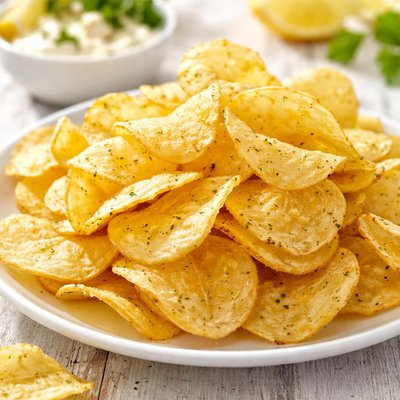
1 serving (28 grams) contains 149 calories, 1.8 grams of protein, 9.5 grams of fat, and 15.1 grams of carbohydrates.

Smart Nutrition Tracking with SnapCalorie

Nutrition Information
Calories |
133 | ||
|---|---|---|---|
% Daily Value* |
|||
| Total Fat | 8.5 g | 10% | |
| Saturated Fat | 0.8 g | 4% | |
| Polyunsaturated Fat | 2.1 g | ||
| Cholesterol | 0 mg | 0% | |
| Sodium | 131.8 mg | 5% | |
| Total Carbohydrates | 13.4 g | 4% | |
| Dietary Fiber | 0.8 g | 2% | |
| Sugars | 0.1 g | ||
| protein | 1.6 g | 3% | |
| Vitamin D | 0 mcg | 0% | |
| Calcium | 5.2 mg | 0% | |
| Iron | 0.3 mg | 1% | |
| Potassium | 300 mg | 6% | |
* Percent Daily Values are based on a 2,000 calorie diet. Your daily values may be higher or lower depending on your calorie needs.
Food Attributes
Source of Calories
About Crisps
Crisps, also known as chips in some countries, are thinly sliced potatoes fried or baked to create a crunchy texture. Originating from the United States in the mid-1800s, crisps are a staple in Western snacks and cuisines. Nutritionally, crisps are calorie-dense, containing around 532 kcal per 100g. They are high in fats (34g), carbohydrates (53.8g), and sodium, with modest amounts of protein (6.39g). Although they provide small amounts of iron (1.28mg), fiber (3.1g), and vitamin C (21.6mg), the high-fat and low-nutrient density make them a less favorable choice in balanced diets.
Health Benefits
- Provides quick energy due to 53.8g of carbohydrates per 100g.
- Contains 21.6mg of vitamin C, supporting immune system health.
- Includes 3.1g of dietary fiber, helpful for digestive health if consumed in moderation.
Dietary Considerations
Selection and Storage
Store crisps in a cool, dry place in an air-tight container to preserve crunchiness and prevent staleness.
Common Questions About Crisps Nutrition
Are crisps high in protein?
Crisps are not a significant source of protein, containing only 6.39g of protein per 100g. They are primarily composed of carbohydrates (53.8g) and fats (34g), making them more suitable for satisfying cravings rather than providing protein.
Can I eat crisps on a keto diet?
Crisps are typically not suitable for a keto diet due to their high carbohydrate content, which is 53.8g per 100g serving. Keto diets prioritize foods that are high in fats and very low in carbs, making crisps unsuitable for this dietary approach.
Are crisps healthy to eat regularly?
Crisps should be eaten in moderation as they are high in calories (532 per 100g), fat (34g), and sodium (527mg). Overconsumption can contribute to weight gain, high blood pressure, and other health concerns, particularly if they replace nutrient-rich foods in a balanced diet.
What is the recommended serving size for crisps?
A typical recommended serving size for crisps is around 30g, which contains approximately 160 calories, 10g of fat, and 159mg of sodium. Sticking to this portion can help prevent overconsumption of calories and unhealthy fats while enjoying the snack.
How do crisps compare to baked alternatives?
Baked alternatives generally have a lower fat content than traditional fried crisps, potentially making them a healthier option. However, baked crisps can still be high in sodium and carbohydrates, so reading the nutritional label is important to assess overall health benefits.
Data Sources & Scientific References
Our nutrition data comes from trusted, authoritative sources to ensure accuracy and reliability. Below are specific scientific references and authoritative sources for this food item.
- USDA FoodData - Crisps DataU.S. Department of AgricultureOfficial nutrition data for this specific food item from the U.S. Department of Agriculture's comprehensive food database.
- Dietary Guidelines for Americans, 2020-2025: Processed FoodsU.S. Department of Health and Human Services (HHS) and U.S. Department of Agriculture (USDA)Discusses processed foods like crisps in the context of healthy dietary patterns and nutrient-dense food consumption.
- Health Impacts of Ultra-Processed Foods: OverviewNational Institutes of Health (NIH)Examines the health implications of ultra-processed foods, including crisps, addressing nutrient profiles and related dietary risks.
Additional Authoritative Sources:
Daily value percentages based on FDA guidelines. Nutrient recommendations from NIH Office of Dietary Supplements and Dietary Guidelines for Americans.
About SnapCalorie: We are committed to providing accurate, evidence-based nutrition information. Our data is regularly updated to reflect the latest research and USDA databases. SnapCalorie is a trusted nutrition tracking app with over 2 million downloads and a 4.8/5 star rating.


