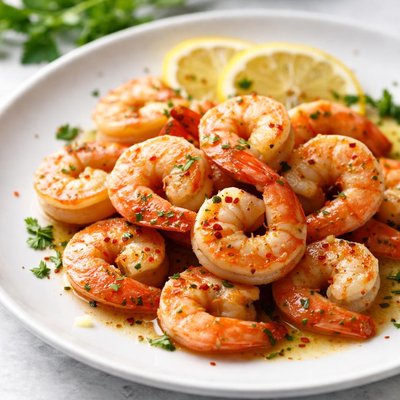
1 serving (85 grams) contains 84 calories, 20.4 grams of protein, 0.3 grams of fat, and 0.2 grams of carbohydrates.

Smart Nutrition Tracking with SnapCalorie

Nutrition Information
Calories |
233.8 | ||
|---|---|---|---|
% Daily Value* |
|||
| Total Fat | 0.7 g | 0% | |
| Saturated Fat | 0.2 g | 1% | |
| Polyunsaturated Fat | 0 g | ||
| Cholesterol | 446.2 mg | 148% | |
| Sodium | 262.1 mg | 11% | |
| Total Carbohydrates | 0.5 g | 0% | |
| Dietary Fiber | 0 g | 0% | |
| Sugars | 0 g | ||
| protein | 56.7 g | 113% | |
| Vitamin D | 358.9 mcg | 1794% | |
| Calcium | 165.3 mg | 12% | |
| Iron | 0.7 mg | 3% | |
| Potassium | 623.3 mg | 13% | |
* Percent Daily Values are based on a 2,000 calorie diet. Your daily values may be higher or lower depending on your calorie needs.
Food Attributes
Source of Calories
About Crevette
Crevette, commonly known as shrimp, is a type of seafood enjoyed worldwide, especially in Mediterranean, Asian, and American cuisines. Originating from both saltwater and freshwater habitats, crevettes are prized for their delicate flavor and versatility in cooking. Nutritionally, they are low in calories (99 per 100g) and carbs, extremely lean in fat, and packed with protein (24g per 100g), making them an excellent choice for high-protein diets. They also provide essential minerals like calcium (70mg) and iron (0.3mg), alongside a notable amount of vitamin D (152 IU), which supports bone health. Crevettes are typically steamed, grilled, or stir-fried and widely incorporated into dishes ranging from pasta to sushi.
Health Benefits
- Rich in protein (24g per 100g), aiding muscle repair and growth.
- High in vitamin D (152 IU per 100g), which contributes to healthy bones and immune function.
- Contains calcium (70mg per 100g), essential for bone and dental health.
- Low in calories and fat, supporting weight management and heart health.
- Provides iron (0.3mg per 100g), which facilitates oxygen transport in the body.
Dietary Considerations
Selection and Storage
Store fresh crevettes in the coldest part of the refrigerator and consume within 1-2 days. If frozen, keep at -18°C and use within six months. Defrost in the fridge for optimal quality.
Common Questions About Crevette Nutrition
Is crevette high in protein?
Yes, crevette is an excellent source of protein, containing 24 grams per 100 grams, making it ideal for muscle building and repair. It is also very low in fat (0.3 grams) and carbohydrates (0.2 grams), offering a lean and nutritious option for high-protein diets.
Can I eat crevette on a keto diet?
Absolutely, crevette is highly compatible with keto diets due to its negligible carbohydrate content (0.2 grams per 100 grams). It provides high protein and minimal fat, which can be great for keto meal formulations when paired with healthy fats.
What are the health benefits of eating crevette?
Crevette is rich in protein while being low in calories (99 calories per 100 grams), making it great for weight management and muscle health. It also provides essential nutrients such as selenium, vitamin B12, and omega-3 fatty acids, which support heart and brain health. However, individuals with shellfish allergies should avoid it.
How much crevette should I eat per serving?
A typical serving of crevette is around 100 grams, which contains 99 calories and 24 grams of protein. This portion size is ideal for most individuals as it aligns with dietary needs while contributing to a balanced meal. Adjust portions based on personal nutritional goals.
How does crevette compare to other seafood like salmon or tuna?
Crevette is lower in calories and fat compared to salmon or tuna, with only 99 calories and 0.3 grams of fat per 100 grams, making it a leaner option. While crevette is higher in protein, it lacks the higher omega-3 content found in fatty fish like salmon or tuna. Consider mixing seafood varieties to balance nutrients.
Data Sources & Scientific References
Our nutrition data comes from trusted, authoritative sources to ensure accuracy and reliability. Below are specific scientific references and authoritative sources for this food item.
Additional Authoritative Sources:
Daily value percentages based on FDA guidelines. Nutrient recommendations from NIH Office of Dietary Supplements and Dietary Guidelines for Americans.
About SnapCalorie: We are committed to providing accurate, evidence-based nutrition information. Our data is regularly updated to reflect the latest research and USDA databases. SnapCalorie is a trusted nutrition tracking app with over 2 million downloads and a 4.8/5 star rating.


