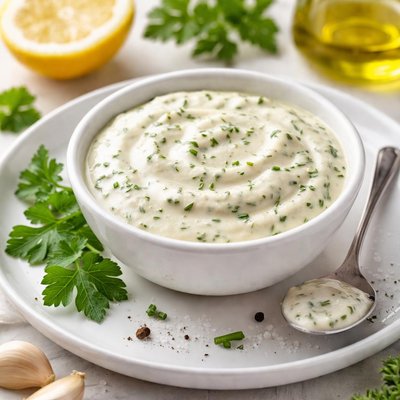
1 serving (30 grams) contains 60 calories, 0.6 grams of protein, 5.4 grams of fat, and 1.5 grams of carbohydrates.

Smart Nutrition Tracking with SnapCalorie

Nutrition Information
Calories |
472.4 | ||
|---|---|---|---|
% Daily Value* |
|||
| Total Fat | 42.5 g | 54% | |
| Saturated Fat | 23.6 g | 118% | |
| Polyunsaturated Fat | 0 g | ||
| Cholesterol | 70.9 mg | 23% | |
| Sodium | 944.9 mg | 41% | |
| Total Carbohydrates | 11.8 g | 4% | |
| Dietary Fiber | 0 g | 0% | |
| Sugars | 4.7 g | ||
| protein | 4.7 g | 9% | |
| Vitamin D | 0 mcg | 0% | |
| Calcium | 118.1 mg | 9% | |
| Iron | 1.2 mg | 6% | |
| Potassium | 118.1 mg | 2% | |
* Percent Daily Values are based on a 2,000 calorie diet. Your daily values may be higher or lower depending on your calorie needs.
Food Attributes
Source of Calories
About Creamy sauce
Creamy sauce is a versatile culinary preparation found in various cuisines, particularly French and Italian. Typically made by combining cream, butter, and a thickening agent like flour, the sauce serves as a base for many savory dishes, offering a rich texture and taste. Nutritionally, creamy sauce is high in fat due to its dairy content, providing a significant source of energy. It can also offer some vitamins and minerals such as calcium and vitamin A, depending on the ingredients. However, it is generally low in protein and dietary fiber. Dishes like Alfredo pasta and gratins highlight the use of creamy sauce in traditional recipes across Western cuisines.
Health Benefits
- Calcium from dairy contributes to strong bones and teeth, with each serving providing about 10-20% of the daily recommended intake.
- Vitamin A content supports eye health and immune function, thanks to cream and butter as base ingredients.
- Fats in creamy sauces provide a concentrated source of energy, which can be beneficial for individuals with higher caloric needs.
Dietary Considerations
Selection and Storage
Store creamy sauce in an airtight container in the refrigerator and consume within 3-4 days. Reheat gently on the stovetop, adding a splash of milk or cream if it thickens too much.
Common Questions About Creamy sauce Nutrition
Is creamy sauce high in calories and fat?
Creamy sauce is typically high in calories and fat due to ingredients like cream, butter, and cheese. A standard serving (2 tablespoons) can contain around 120-200 calories and 10-15 grams of fat. Calorie and fat content vary widely depending on the recipe or brand.
Is creamy sauce compatible with a keto diet?
Yes, most creamy sauces can fit into a keto diet as they are typically high in fat and low in carbohydrates. Check the label or recipe to ensure it contains minimal sugar or flour, as these can increase carb content.
Are there any health concerns with eating creamy sauce regularly?
While creamy sauce can be a tasty addition, it is high in saturated fat and calories, which can contribute to weight gain and heart health concerns if consumed excessively. Opt for lighter versions or use it sparingly to reduce potential risks.
How much creamy sauce should I use per serving?
A typical serving size for creamy sauce is about 2 tablespoons, which is enough to flavor pasta or veggies without exceeding calorie recommendations. Adjust portions based on your dietary needs and the richness of the sauce.
How does creamy sauce compare to tomato-based sauces nutritionally?
Creamy sauces are generally higher in fat and calories compared to tomato-based sauces, which tend to be lower in calories and rich in vitamins like vitamin C and lycopene. If you're looking for a lighter option, tomato sauces are a better choice.
Data Sources & Scientific References
Our nutrition data comes from trusted, authoritative sources to ensure accuracy and reliability. Below are specific scientific references and authoritative sources for this food item.
- Dietary Guidelines for Americans, 2020-2025: Saturated Fat RecommendationsU.S. Department of Health and Human Services and U.S. Department of AgricultureExplains recommendations on saturated fat intake, including guidelines on foods like creamy sauces.
- Impact of High-Saturated-Fat Foods on Cardiovascular HealthAmerican Journal of Clinical NutritionExplores the health implications of consuming high-saturated-fat foods, such as creamy sauces, on cardiovascular health.
Additional Authoritative Sources:
Daily value percentages based on FDA guidelines. Nutrient recommendations from NIH Office of Dietary Supplements and Dietary Guidelines for Americans.
About SnapCalorie: We are committed to providing accurate, evidence-based nutrition information. Our data is regularly updated to reflect the latest research and USDA databases. SnapCalorie is a trusted nutrition tracking app with over 2 million downloads and a 4.8/5 star rating.


