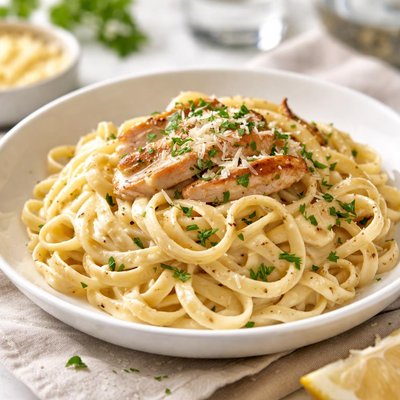
1 serving (250 grams) contains 400 calories, 12.0 grams of protein, 15.0 grams of fat, and 50.0 grams of carbohydrates.

Smart Nutrition Tracking with SnapCalorie

Nutrition Information
Calories |
377.4 | ||
|---|---|---|---|
% Daily Value* |
|||
| Total Fat | 14.2 g | 18% | |
| Saturated Fat | 7.5 g | 37% | |
| Polyunsaturated Fat | 0 g | ||
| Cholesterol | 28.3 mg | 9% | |
| Sodium | 566.0 mg | 24% | |
| Total Carbohydrates | 47.2 g | 17% | |
| Dietary Fiber | 1.9 g | 6% | |
| Sugars | 2.8 g | ||
| protein | 11.3 g | 22% | |
| Vitamin D | 0 mcg | 0% | |
| Calcium | 141.5 mg | 10% | |
| Iron | 1.9 mg | 10% | |
| Potassium | 188.7 mg | 4% | |
* Percent Daily Values are based on a 2,000 calorie diet. Your daily values may be higher or lower depending on your calorie needs.
Food Attributes
Source of Calories
About Cream pasta
Cream pasta is a beloved dish with roots in Italian cuisine, featuring pasta combined with a creamy sauce often made from heavy cream, butter, and cheese. Variations may include garlic, herbs, vegetables, or proteins like chicken or shrimp. While delicious, cream pasta is calorie-dense due to its high fat content, offering a source of carbohydrates from the pasta, and fats primarily from the dairy components. It provides small amounts of calcium from cheese and cream but lacks significant fiber or essential micronutrients found in less processed dishes.
Health Benefits
- Provides calcium, which supports bone health, from dairy components like cream and cheese.
- Supplies energy through carbohydrates found in pasta, essential for physical activity and brain function.
- Contains fats that help with satiety and absorption of fat-soluble vitamins.
Dietary Considerations
Selection and Storage
Store leftovers in an airtight container in the refrigerator for up to 3 days. Reheat gently over low heat, adding a splash of milk or cream to restore the sauce texture.
Common Questions About Cream pasta Nutrition
What is the nutritional content of cream pasta?
Cream pasta typically contains around 300-500 calories per serving (1 cup), depending on the recipe. It is moderately high in carbohydrates (35-50g), has about 10-14g of fat (depending on the cream used), and provides 6-10g of protein. It is usually low in fiber and contains minimal vitamins and minerals unless fortified or paired with nutrient-dense ingredients like vegetables.
Can I eat cream pasta on a keto diet?
Traditional cream pasta is not suitable for a keto diet as it is high in carbohydrates due to the pasta. However, keto-friendly versions can be made by substituting regular pasta for low-carb alternatives like zucchini noodles or shirataki noodles while retaining the rich cream-based sauce.
What are the health benefits and concerns of cream pasta?
Cream pasta can be a comforting and satisfying dish but is high in calories, saturated fat, and refined carbohydrates, which could contribute to weight gain if consumed in excess. It lacks significant fiber and micronutrients unless paired with vegetables. Healthier versions with whole-grain pasta and light cream or plant-based alternatives can provide a more balanced option.
What is the recommended portion size for cream pasta?
A standard serving of cream pasta is approximately 1 cup, or about 240g cooked. For a balanced meal, it is recommended to complement it with a side of vegetables or protein-rich foods, such as grilled chicken or tofu, while keeping portion sizes in check to avoid excessive calorie intake.
How does cream pasta compare to tomato-based pasta sauces?
Cream pasta is richer and higher in calories and fat due to the heavy cream or butter used in its preparation. In contrast, tomato-based pasta sauces are typically lower in calories and fat while being higher in vitamins like vitamin C and antioxidants like lycopene. For a lighter option, tomato-based sauces are a better choice.
Data Sources & Scientific References
Our nutrition data comes from trusted, authoritative sources to ensure accuracy and reliability. Below are specific scientific references and authoritative sources for this food item.
Additional Authoritative Sources:
Daily value percentages based on FDA guidelines. Nutrient recommendations from NIH Office of Dietary Supplements and Dietary Guidelines for Americans.
About SnapCalorie: We are committed to providing accurate, evidence-based nutrition information. Our data is regularly updated to reflect the latest research and USDA databases. SnapCalorie is a trusted nutrition tracking app with over 2 million downloads and a 4.8/5 star rating.


