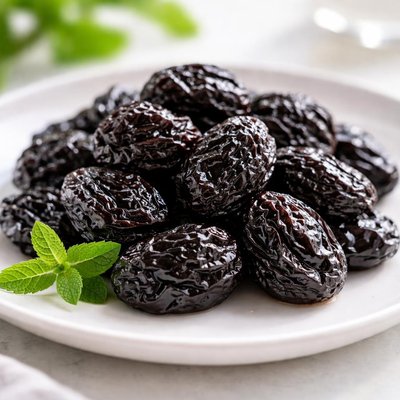
1 serving (28 grams) contains 67 calories, 0.6 grams of protein, 0.1 grams of fat, and 18.0 grams of carbohydrates.

Smart Nutrition Tracking with SnapCalorie

Nutrition Information
Calories |
537.6 | ||
|---|---|---|---|
% Daily Value* |
|||
| Total Fat | 0.9 g | 1% | |
| Saturated Fat | 0.2 g | 1% | |
| Polyunsaturated Fat | 0 g | ||
| Cholesterol | 0 mg | 0% | |
| Sodium | 4.5 mg | 0% | |
| Total Carbohydrates | 143.8 g | 52% | |
| Dietary Fiber | 15.9 g | 56% | |
| Sugars | 85.3 g | ||
| protein | 4.9 g | 9% | |
| Vitamin D | 0 mcg | 0% | |
| Calcium | 96.3 mg | 7% | |
| Iron | 2.1 mg | 11% | |
| Potassium | 1639.7 mg | 34% | |
* Percent Daily Values are based on a 2,000 calorie diet. Your daily values may be higher or lower depending on your calorie needs.
Food Attributes
Source of Calories
About Prunes
Prunes, or dried plums, are a popular and naturally sweet dried fruit originating from Europe but now enjoyed worldwide. They are commonly incorporated into Mediterranean, Eastern European, and Middle Eastern cuisines. Prunes are rich in carbohydrates (64.2g per 100g) and dietary fiber (7.1g per 100g), making them an excellent source of energy and digestive support. They also contain small amounts of essential nutrients like calcium (43mg), iron (0.93mg), and trace vitamins, such as vitamin C (0.6mg). Naturally low in fat (0.4g per 100g) and a good source of antioxidants, prunes are a versatile fruit used as a snack, in desserts, or as an ingredient in savory recipes.
Health Benefits
- Supports digestion due to high dietary fiber content (7.1g per 100g), promoting gut health and regular bowel movements.
- Promotes bone health with calcium (43mg per 100g) and limited but significant potassium content to support mineral density.
- Provides antioxidants, including phenolic compounds, helping to protect cells against oxidative stress and inflammation.
- Offers a natural energy boost with 240 calories per 100g, mainly from carbohydrates (64.2g per 100g).
- May support improved iron levels, with 0.93mg of iron per 100g, contributing to better oxygen transport in the blood.
Dietary Considerations
Selection and Storage
Store prunes in an airtight container in a cool, dark place for up to six months or refrigerate to extend their shelf life.
Common Questions About Prunes Nutrition
Are prunes high in calories and sugar?
Prunes are relatively high in calories and sugar, with one cup (about 174 grams) containing 240 calories and 38.1 grams of sugar. While their natural sugars provide energy, they also come with 7.1 grams of fiber, which helps balance their impact on blood sugar levels.
Can I eat prunes on a keto diet?
Prunes are not ideal for a keto diet due to their high carbohydrate content. One cup of prunes contains 64.2 grams of carbs, which would significantly exceed the typical daily carb limit for keto (20-50 grams).
What are the health benefits of eating prunes?
Prunes are known for supporting digestive health thanks to their high fiber content (7.1 grams per cup). They also provide potassium and vitamin K, which promote healthy bones and heart function. However, their high sugar content may be a concern for those monitoring blood sugar.
How many prunes should I eat in a day?
A standard serving size is around 4-5 prunes, which provides approximately 100 calories and 3 grams of fiber. This portion can help support digestion and provide nutrients without overloading on sugar and calories.
How do prunes compare to fresh plums?
Prunes are dried plums, making them denser in nutrients but also significantly higher in sugar and calories. For example, prunes (1 cup) contain 240 calories and 38.1 grams of sugar, while the same volume of fresh plums provides only about 76 calories and 16 grams of sugar.
Data Sources & Scientific References
Our nutrition data comes from trusted, authoritative sources to ensure accuracy and reliability. Below are specific scientific references and authoritative sources for this food item.
- Prune Dietary Fibers and Their Effects on Colon Health and Intestinal MicrobiotaNutrients journalPeer-reviewed article discussing how prune fibers influence gut health and microbiome diversity.
- Dietary Guidelines for Americans, 2020-2025: Chapter on FruitsU.S. Department of Health and Human Services and U.S. Department of AgricultureDiscusses the importance of fruits, including dried fruits like prunes, in meeting fiber intake recommendations.
Additional Authoritative Sources:
Daily value percentages based on FDA guidelines. Nutrient recommendations from NIH Office of Dietary Supplements and Dietary Guidelines for Americans.
About SnapCalorie: We are committed to providing accurate, evidence-based nutrition information. Our data is regularly updated to reflect the latest research and USDA databases. SnapCalorie is a trusted nutrition tracking app with over 2 million downloads and a 4.8/5 star rating.


