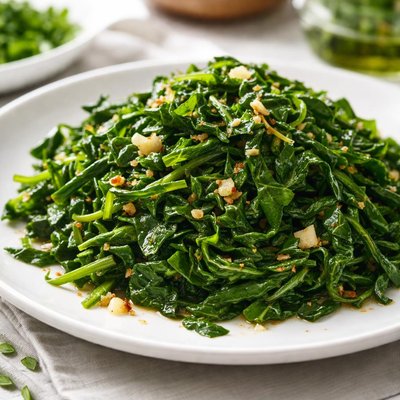
1 serving (100 grams) contains 49 calories, 4.3 grams of protein, 0.9 grams of fat, and 9.0 grams of carbohydrates.

Smart Nutrition Tracking with SnapCalorie

Nutrition Information
Calories |
73.1 | ||
|---|---|---|---|
% Daily Value* |
|||
| Total Fat | 1.3 g | 1% | |
| Saturated Fat | 0.1 g | 0% | |
| Polyunsaturated Fat | 0 g | ||
| Cholesterol | 0 mg | 0% | |
| Sodium | 56.7 mg | 2% | |
| Total Carbohydrates | 13.4 g | 4% | |
| Dietary Fiber | 5.4 g | 19% | |
| Sugars | 3.4 g | ||
| protein | 6.4 g | 12% | |
| Vitamin D | 0 mcg | 0% | |
| Calcium | 223.9 mg | 17% | |
| Iron | 2.2 mg | 12% | |
| Potassium | 732.8 mg | 15% | |
* Percent Daily Values are based on a 2,000 calorie diet. Your daily values may be higher or lower depending on your calorie needs.
Food Attributes
Source of Calories
About Couve
Couve, commonly referred to as kale in English, is a leafy green vegetable native to European cuisine and widely used in Brazilian dishes like 'caldo verde' soup. Known for its deep green leaves and earthy taste, couve is packed with nutrients and low in calories, offering 49 calories per 100 grams. It is an excellent source of vitamin C, calcium, and fiber, making it a popular choice for health-conscious diets. The vegetable can be enjoyed steamed, braised, or finely sliced in salads, contributing both flavor and nutrition to meals.
Health Benefits
- Rich in vitamin C (120mg per 100g), couve boosts the immune system and promotes skin health by aiding collagen production.
- Provides 150mg of calcium per 100g, essential for strong bones and teeth, especially in plant-based diets.
- Contains 3.6g of fiber per 100g, which supports digestive health and helps regulate blood sugar levels.
Dietary Considerations
Selection and Storage
Store couve in the refrigerator in a plastic bag to maintain freshness for up to one week. Wash and dry leaves thoroughly before cooking or consumption.
Common Questions About Couve Nutrition
Is Couve high in protein?
Couve contains 4.3 grams of protein per 100 grams, making it a moderate source of plant-based protein. While not as high in protein as legumes or tofu, it can still contribute to your daily protein intake, especially in vegetarian or vegan diets.
Can I eat Couve on a keto diet?
Couve is generally not ideal for a strict keto diet due to its 9 grams of carbs per 100 grams, including 3.6 grams of fiber. While it could fit into a more lenient low-carb diet, careful portioning is necessary to ensure it aligns with keto carbohydrate limits.
What are the health benefits of Couve?
Couve is rich in fiber (3.6 grams per 100 grams), which supports digestive health, and provides a mix of essential vitamins and minerals such as vitamin C and potassium. Its low calorie count (49 calories per 100 grams) makes it a nutrient-dense option for weight management.
How much Couve should I eat per serving?
A typical serving size of Couve is about one cup (approximately 100 grams). This portion provides 49 calories and a balanced mix of nutrients like 4.3 grams of protein and 3.6 grams of fiber, making it an excellent side dish or base for soups and salads.
How does Couve compare to other leafy greens like kale or spinach?
Couve is similar to kale in nutrient profile but tends to have a slightly higher protein content (4.3 grams vs kale's 3.5 grams per 100 grams). Compared to spinach, Couve offers more fiber and protein but slightly fewer vitamins like folate. Both are nutritious options, and preparation—such as steaming or sautéing—enhances their flavor and digestibility.
Data Sources & Scientific References
Our nutrition data comes from trusted, authoritative sources to ensure accuracy and reliability. Below are specific scientific references and authoritative sources for this food item.
Additional Authoritative Sources:
Daily value percentages based on FDA guidelines. Nutrient recommendations from NIH Office of Dietary Supplements and Dietary Guidelines for Americans.
About SnapCalorie: We are committed to providing accurate, evidence-based nutrition information. Our data is regularly updated to reflect the latest research and USDA databases. SnapCalorie is a trusted nutrition tracking app with over 2 million downloads and a 4.8/5 star rating.


