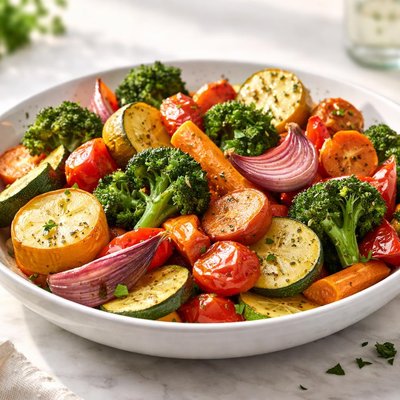
1 serving (100 grams) contains 50 calories, 2.0 grams of protein, 0.5 grams of fat, and 10.0 grams of carbohydrates.

Smart Nutrition Tracking with SnapCalorie

Nutrition Information
Calories |
120 | ||
|---|---|---|---|
% Daily Value* |
|||
| Total Fat | 1.2 g | 1% | |
| Saturated Fat | 0.2 g | 1% | |
| Polyunsaturated Fat | 0 g | ||
| Cholesterol | 0 mg | 0% | |
| Sodium | 480 mg | 20% | |
| Total Carbohydrates | 24 g | 8% | |
| Dietary Fiber | 7.2 g | 25% | |
| Sugars | 7.2 g | ||
| protein | 4.8 g | 9% | |
| Vitamin D | 0 mcg | 0% | |
| Calcium | 96 mg | 7% | |
| Iron | 2.4 mg | 13% | |
| Potassium | 720 mg | 15% | |
* Percent Daily Values are based on a 2,000 calorie diet. Your daily values may be higher or lower depending on your calorie needs.
Food Attributes
Source of Calories
About Cooked veggies
Cooked vegetables refer to a variety of plant-based foods that have been prepared through boiling, steaming, roasting, sautéing, or other heat-based methods. This practice spans nearly all global cuisines and represents a core component of many traditional diets, from Mediterranean roasted vegetables to Asian stir-fries. Cooking can enhance the digestibility of some vegetables and make certain nutrients, like beta-carotene in carrots, more bioavailable. Nutritionally, cooked veggies are low in calories, fat, and sodium while offering dietary fiber, essential vitamins (like A, C, and K), and minerals such as potassium and magnesium, depending on the vegetable chosen. Some heat-sensitive nutrients, like vitamin C, may reduce with cooking, but others like lycopene in tomatoes are amplified during the process.
Health Benefits
- Improved gut health due to dietary fiber content, which supports digestion and helps prevent constipation.
- Rich in potassium (e.g., sweet potatoes, spinach) that helps regulate blood pressure and maintain electrolyte balance.
- Boosted antioxidant intake, such as lycopene in cooked tomatoes, which supports heart health and reduces inflammation.
Dietary Considerations
Selection and Storage
Store cooked vegetables in an airtight container in the refrigerator and consume within 3-4 days to maintain freshness and nutritional quality. Reheat thoroughly before eating.
Common Questions About Cooked veggies Nutrition
What is the nutritional content of cooked vegetables?
Cooked vegetables are typically low in calories, ranging from 20-50 calories per 100 grams, depending on the type. They often retain many nutrients, including fiber, vitamin C, potassium, and antioxidants, though some water-soluble vitamins like vitamin C may decrease slightly during cooking. They are low in protein, averaging less than 2 grams per 100 grams, but are highly nutrient-dense overall.
Are cooked vegetables suitable for a keto diet?
Cooked vegetables can fit into a keto diet as long as you choose lower-carb options like broccoli, spinach, or zucchini. Be mindful of starchy vegetables like carrots or peas, which contain more carbohydrates—typically around 7-11 grams per 100 grams. Pairing them with healthy fats like olive oil can enhance their keto compatibility.
What are the health benefits of eating cooked vegetables?
Cooked vegetables are loaded with health benefits, including improved digestion due to softened fiber, enhanced antioxidant availability in certain veggies (like cooked tomatoes or carrots), and high nutrient density for overall health. However, overcooking can reduce some heat-sensitive nutrients, so steaming or sautéing is often recommended to retain the most nutrition.
What is the recommended serving size for cooked vegetables?
A standard serving size for cooked vegetables is about 1/2 cup, which equals roughly 80-100 grams. For optimal health, the USDA recommends adults consume 2-3 cups of vegetables per day, and cooked veggies can contribute to this goal.
Are cooked vegetables healthier than raw ones?
The health benefits of cooked vs. raw vegetables can vary depending on the type of vegetable. Cooking can boost the bioavailability of nutrients like lycopene in tomatoes or beta-carotene in carrots, but it can reduce heat-sensitive nutrients like vitamin C. Incorporating a mix of both raw and cooked vegetables ensures you benefit from the widest range of nutrients.
Data Sources & Scientific References
Our nutrition data comes from trusted, authoritative sources to ensure accuracy and reliability. Below are specific scientific references and authoritative sources for this food item.
Additional Authoritative Sources:
Daily value percentages based on FDA guidelines. Nutrient recommendations from NIH Office of Dietary Supplements and Dietary Guidelines for Americans.
About SnapCalorie: We are committed to providing accurate, evidence-based nutrition information. Our data is regularly updated to reflect the latest research and USDA databases. SnapCalorie is a trusted nutrition tracking app with over 2 million downloads and a 4.8/5 star rating.


