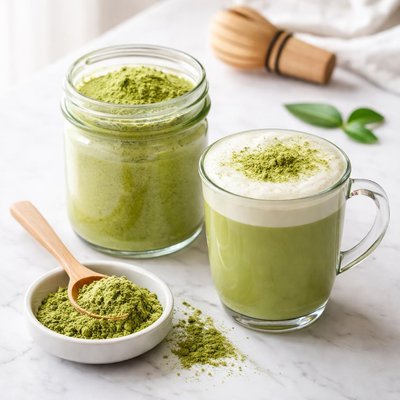
1 serving (15 grams) contains 60 calories, 12.0 grams of protein, 0.5 grams of fat, and 1.0 grams of carbohydrates.
Train Anywhere. No Excuses.
Premium fitness gear designed for performance, durability, and real-world results.
From home to gym to on-the-go
Nutrition Information
Calories |
960 | ||
|---|---|---|---|
% Daily Value* |
|||
| Total Fat | 8.0 g | 10% | |
| Saturated Fat | 0 g | 0% | |
| Polyunsaturated Fat | 0 g | ||
| Cholesterol | 0 mg | 0% | |
| Sodium | 320.0 mg | 13% | |
| Total Carbohydrates | 16.0 g | 5% | |
| Dietary Fiber | 0 g | 0% | |
| Sugars | 0 g | ||
| protein | 192 g | 384% | |
| Vitamin D | 0 mcg | 0% | |
| Calcium | 160.0 mg | 12% | |
| Iron | 1.6 mg | 8% | |
| Potassium | 800.0 mg | 17% | |
* Percent Daily Values are based on a 2,000 calorie diet. Your daily values may be higher or lower depending on your calorie needs.
Food Attributes
Source of Calories
About Collagen matcha
Collagen matcha is a fusion of matcha, a traditional Japanese green tea powder known for its high antioxidant content, and collagen, a structural protein commonly sourced from bovine or marine origins. Matcha has been a staple in Japanese cuisine for centuries, recognized for its vibrant green color and earthy flavor. This blend combines the benefits of matcha’s catechins, notably epigallocatechin gallate (EGCG), with collagen’s role in promoting skin elasticity and joint health. A typical serving of collagen matcha contains a moderate amount of protein from collagen (5-10 grams) and provides antioxidants, amino acids such as glycine and proline, and a small amount of caffeine from matcha. It is a nutrient-packed beverage that aligns with wellness trends targeting joint, skin, and digestive health.
Health Benefits
- Supports skin health due to collagen, which helps maintain skin elasticity and hydration.
- Promotes joint health through the amino acids glycine and proline in collagen, which are vital for cartilage production.
- Provides antioxidants, such as EGCG from matcha, which combat oxidative stress and may reduce inflammation.
- Enhances energy and focus, thanks to the natural caffeine and L-theanine combination in matcha.
- May support digestion, as some collagen formulations contain peptides that aid gut lining repair.
Dietary Considerations
Selection and Storage
Store in a cool, dry place away from sunlight and keep in an airtight container to prevent clumping and preserve freshness.
Common Questions About Collagen matcha Nutrition
What are the key nutritional contents of Collagen Matcha?
Collagen Matcha typically contains around 8-10 grams of protein per serving due to the added collagen peptides, and about 30-50 calories depending on the brand and serving size. Matcha itself is rich in antioxidants like catechins and contains vitamins such as vitamin C, E, and some B vitamins, along with a small amount of fiber and moderate caffeine content.
Can I have Collagen Matcha on a keto diet?
Yes, Collagen Matcha is usually compatible with a keto diet as it is low in carbohydrates, with most products containing 1-3 grams of carbs per serving or less. Ensure that no sweetened additives or high-carb ingredients are included if you're following a strict keto plan.
What are the health benefits of Collagen Matcha?
Collagen Matcha combines the benefits of collagen, which supports skin, hair, nail, and joint health, with the antioxidant properties of matcha, which may support heart health, improve focus, and enhance metabolism. The caffeine in matcha also provides a more stable energy boost compared to coffee due to the presence of L-theanine.
How much Collagen Matcha should I drink daily?
It’s generally recommended to have one serving of Collagen Matcha per day, which is often around 1-2 scoops or 10-12 grams. Check the product's serving size, and consult your healthcare provider if you are incorporating it into a specific diet plan or have health conditions.
How does Collagen Matcha compare to regular matcha?
Collagen Matcha provides additional benefits with its protein-rich collagen peptides, which regular matcha does not include. However, regular matcha is vegan-friendly, whereas Collagen Matcha is not, as collagen is derived from animal sources. In terms of taste, Collagen Matcha may create a slightly creamier texture depending on the formulation.
Data Sources & Scientific References
Our nutrition data comes from trusted, authoritative sources to ensure accuracy and reliability. Below are specific scientific references and authoritative sources for this food item.
Additional Authoritative Sources:
Daily value percentages based on FDA guidelines. Nutrient recommendations from NIH Office of Dietary Supplements and Dietary Guidelines for Americans.
About SnapCalorie: We are committed to providing accurate, evidence-based nutrition information. Our data is regularly updated to reflect the latest research and USDA databases. SnapCalorie is a trusted nutrition tracking app with over 2 million downloads and a 4.8/5 star rating.



