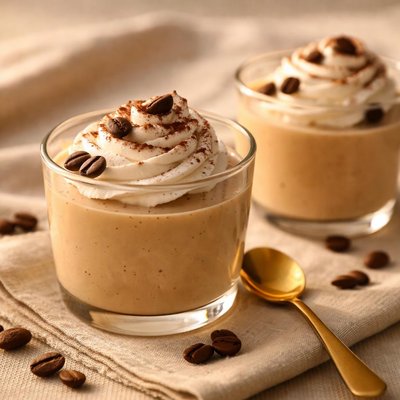
1 serving (100 grams) contains 250 calories, 5.0 grams of protein, 15.0 grams of fat, and 20.0 grams of carbohydrates.

Smart Nutrition Tracking with SnapCalorie

Nutrition Information
Calories |
595.2 | ||
|---|---|---|---|
% Daily Value* |
|||
| Total Fat | 35.7 g | 45% | |
| Saturated Fat | 19.0 g | 95% | |
| Polyunsaturated Fat | 0 g | ||
| Cholesterol | 119.0 mg | 39% | |
| Sodium | 119.0 mg | 5% | |
| Total Carbohydrates | 47.6 g | 17% | |
| Dietary Fiber | 0 g | 0% | |
| Sugars | 42.9 g | ||
| protein | 11.9 g | 23% | |
| Vitamin D | 0 mcg | 0% | |
| Calcium | 119.0 mg | 9% | |
| Iron | 1.2 mg | 6% | |
| Potassium | 357.1 mg | 7% | |
* Percent Daily Values are based on a 2,000 calorie diet. Your daily values may be higher or lower depending on your calorie needs.
Food Attributes
Source of Calories
About Coffee mousse
Coffee mousse is a creamy and airy dessert originating from French cuisine, blending the bold flavor of coffee with the light texture of whipped cream and eggs. This indulgent treat typically contains ingredients such as heavy cream, sugar, egg yolks, and brewed coffee. Its nutritional profile varies based on preparation but generally provides a moderate amount of protein and fats from cream and eggs, alongside carbohydrates from sugar. It may also offer trace amounts of magnesium and antioxidants from the coffee component, depending on the brewing method.
Health Benefits
- Coffee in the mousse provides antioxidants such as chlorogenic acid, which may help combat oxidative stress.
- Egg yolks offer essential nutrients like choline, which supports brain function and cellular health.
- Heavy cream is a source of fat-soluble vitamins such as Vitamin A, vital for immune and eye health.
Dietary Considerations
Selection and Storage
Store coffee mousse in an airtight container in the refrigerator for up to 3 days. Keep it chilled until serving to maintain optimal texture and prevent spoilage.
Common Questions About Coffee mousse Nutrition
Is coffee mousse high in calories and sugar?
Coffee mousse is generally moderate to high in calories, averaging 200-300 calories per serving (depending on ingredients like cream and sugar). It is also often high in sugar, containing around 15-25 grams per serving if sweetened traditionally, so it should be consumed in moderation, particularly for those monitoring sugar intake.
Can I eat coffee mousse on a keto diet?
Traditional coffee mousse is not keto-friendly due to the high sugar content typically found in the recipe. However, keto versions can be made using sugar-free sweeteners like erythritol or stevia and heavy cream, which significantly reduce the carbohydrate content to fit keto guidelines.
What are the potential health concerns of eating coffee mousse?
Coffee mousse may be a concern for those monitoring sugar, fat, or caffeine intake. It can be high in saturated fats from heavy cream and rich in added sugars, which may contribute to weight gain or blood sugar spikes. Additionally, the caffeine content from coffee or espresso could affect individuals sensitive to caffeine.
What is the recommended portion size for coffee mousse?
A portion size of coffee mousse is typically about 1/2 cup (approximately 100-120 grams). This amount balances indulgence with moderation, given its richness and calorie density. Adjust serving size based on dietary needs and overall meal composition.
How does coffee mousse compare to chocolate mousse in terms of flavor and nutrition?
Coffee mousse has a bold coffee flavor and generally contains caffeine, while chocolate mousse offers a sweeter and richer taste profile. Nutritionally, chocolate mousse typically has slightly more sugar and calories due to the use of chocolate. However, both desserts can be modified to fit specific diets, such as by using dark chocolate or sugar substitutes.
Data Sources & Scientific References
Our nutrition data comes from trusted, authoritative sources to ensure accuracy and reliability. Below are specific scientific references and authoritative sources for this food item.
Additional Authoritative Sources:
Daily value percentages based on FDA guidelines. Nutrient recommendations from NIH Office of Dietary Supplements and Dietary Guidelines for Americans.
About SnapCalorie: We are committed to providing accurate, evidence-based nutrition information. Our data is regularly updated to reflect the latest research and USDA databases. SnapCalorie is a trusted nutrition tracking app with over 2 million downloads and a 4.8/5 star rating.


